Manus vs Other AI Agents in 2026: Devin, Claude Code, and MCPlato
Compare Manus, Devin, Claude Code, and MCPlato by task fit, execution model, oversight, persistence, and cost before choosing an AI agent in 2026.
News, tutorials, and updates
Compare Manus, Devin, Claude Code, and MCPlato by task fit, execution model, oversight, persistence, and cost before choosing an AI agent in 2026.
A practical, evidence-based guide to choosing an AI agent harness by workflow, permissions, deployment model, and measurable pilot results.
A practical 2026 guide to AI short drama generation tools, comparing video models, character consistency tools, avatar platforms, editors, and production workflows — and why AI-native workspaces matter for scalable series creation.
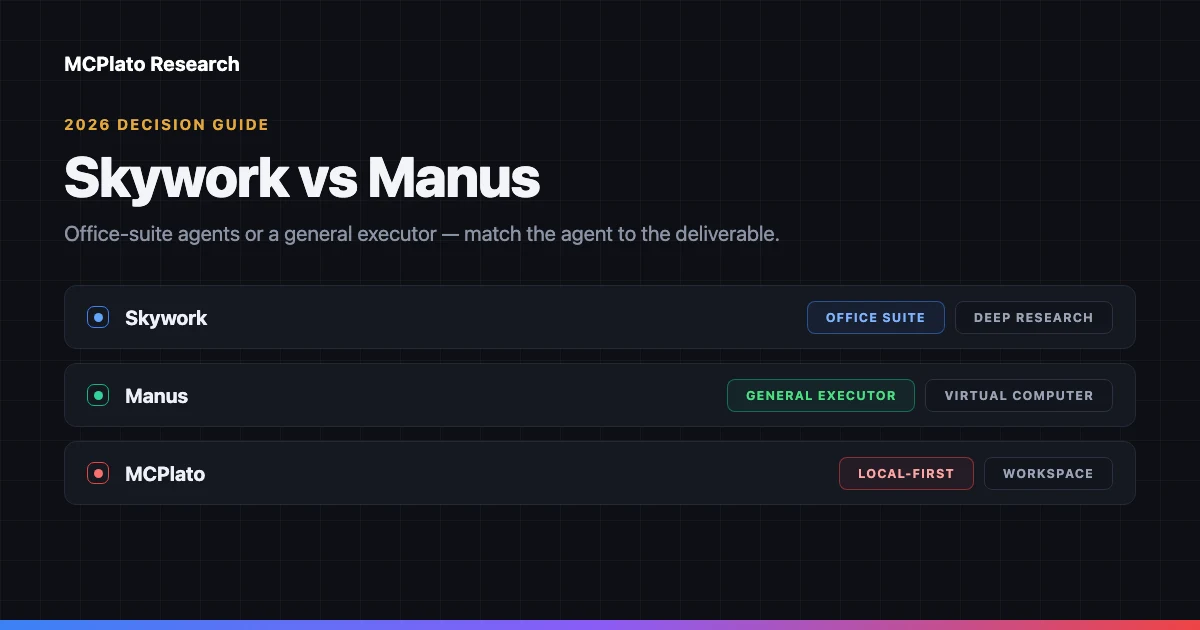
A source-based comparison of Skywork Super Agents and Manus for office deliverables, autonomous execution, pricing credits, oversight, and data control in 2026.
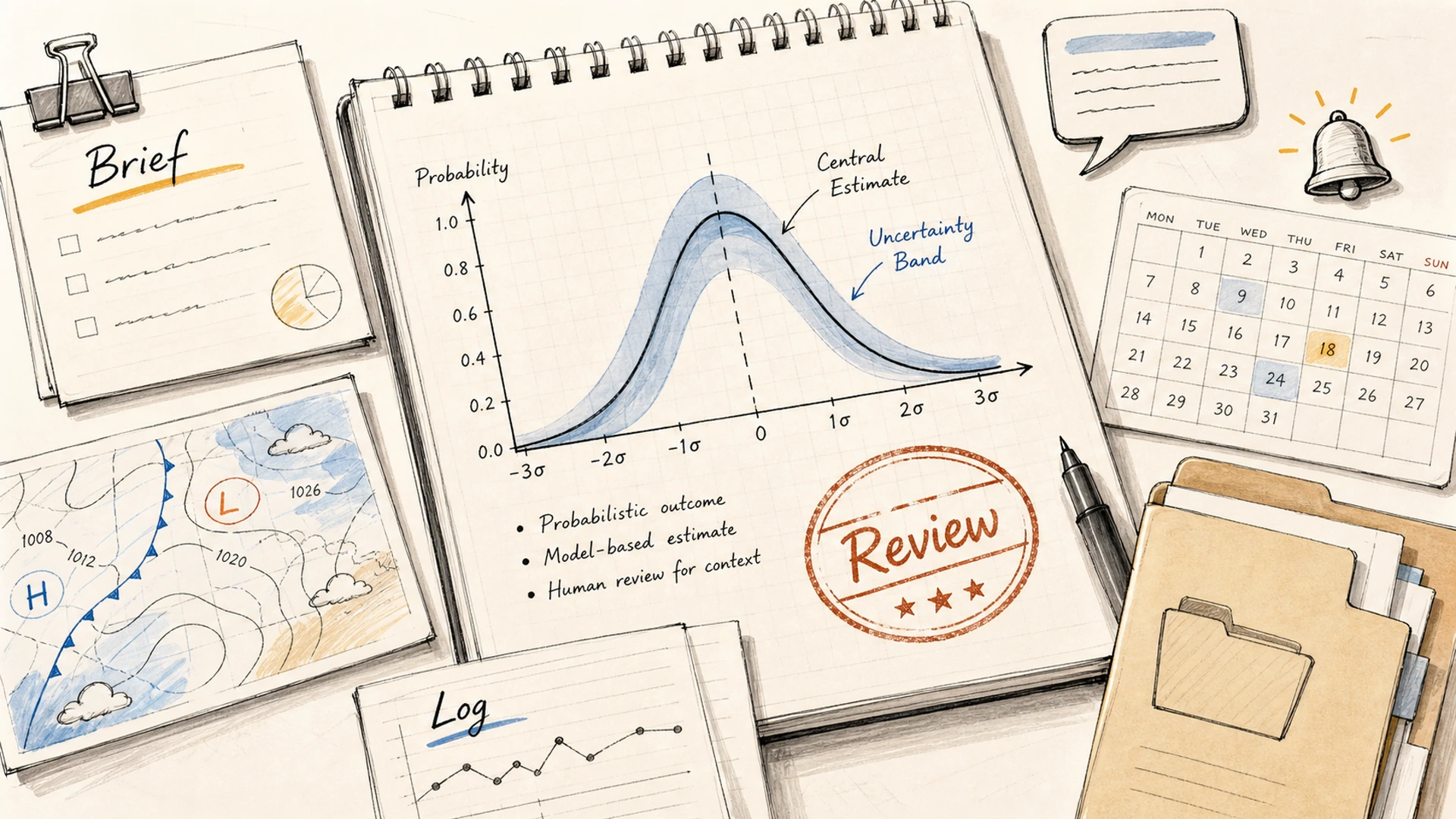
A practical Codex vs MCPlato guide for prediction-market research workflows, recurring briefs, decision logs, and Wands.
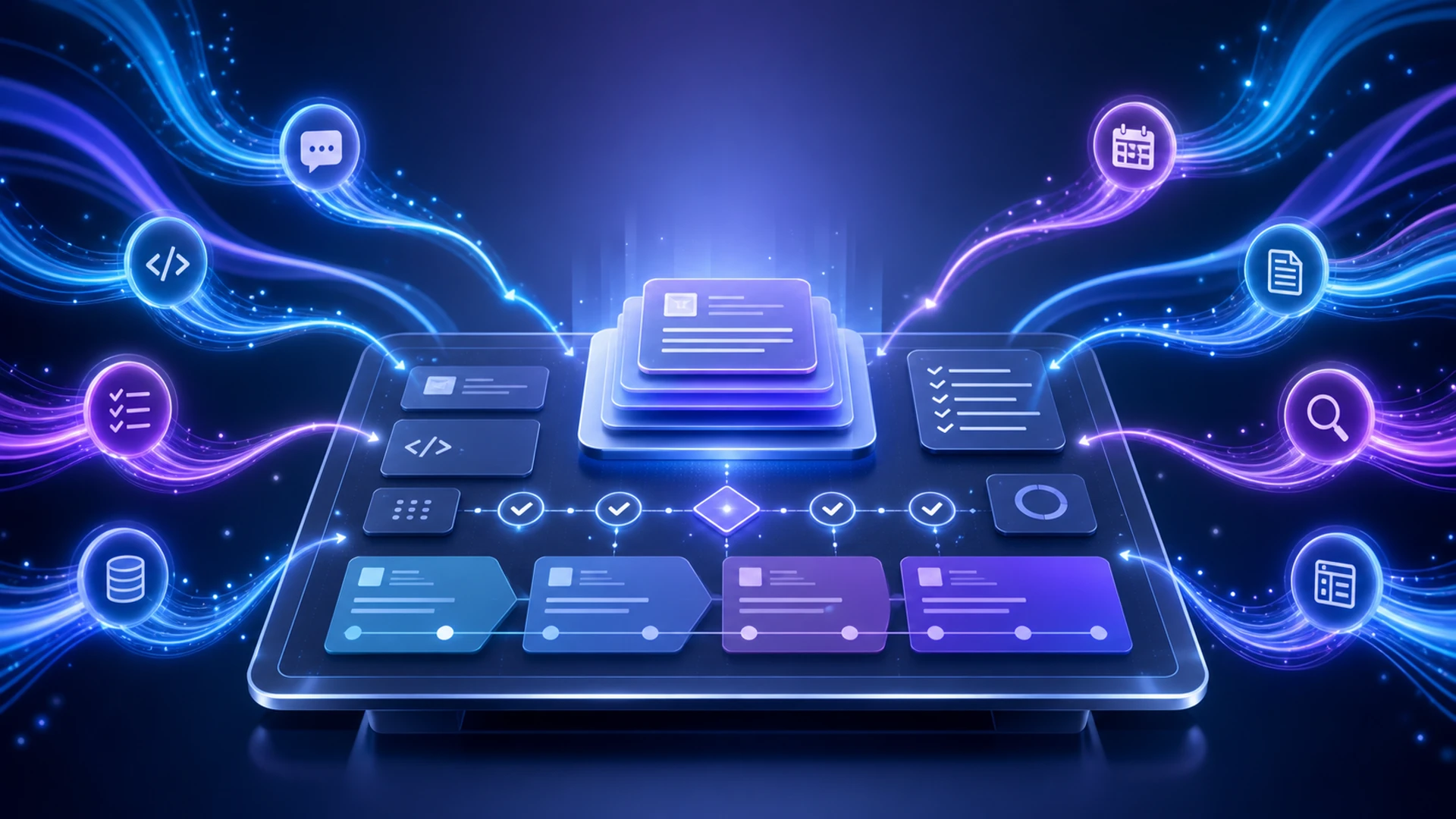
Anthropic's J-space research shows why selective workspaces matter inside language models. MCPlato wands apply the same principle to AI workflows: one phase, one artifact, one tool surface, and one gate at a time.
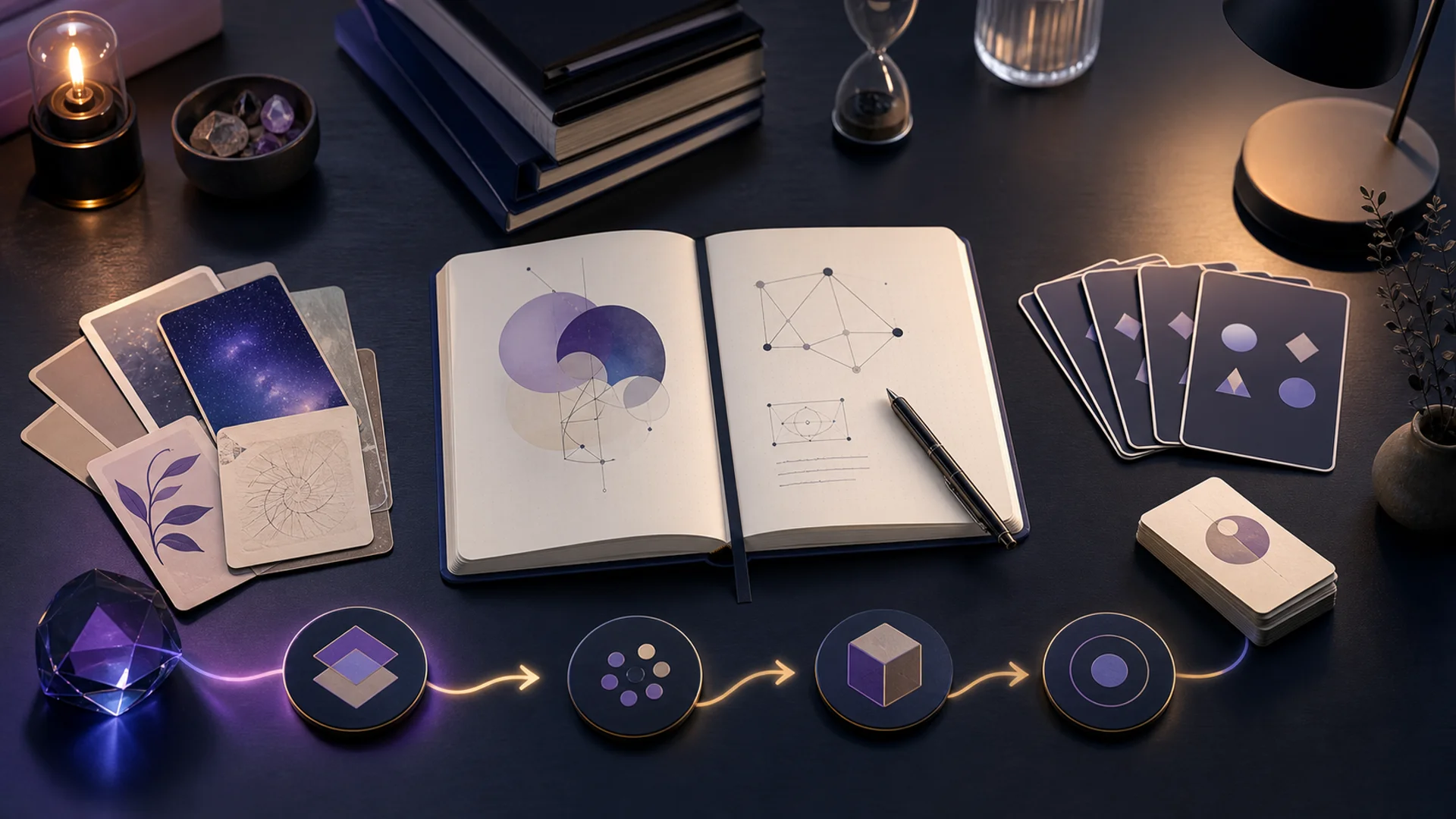
A practical guide to using MCPlato for independent learning, from gathering sources and practicing recall to writing a clear science-style article.
A practical comparison of OpenAI Codex and MCPlato: where Codex leads in repo-native coding, and why MCPlato is a broader Codex alternative for office work, education, Wands, scheduled tasks, and cross-tool deliverables.
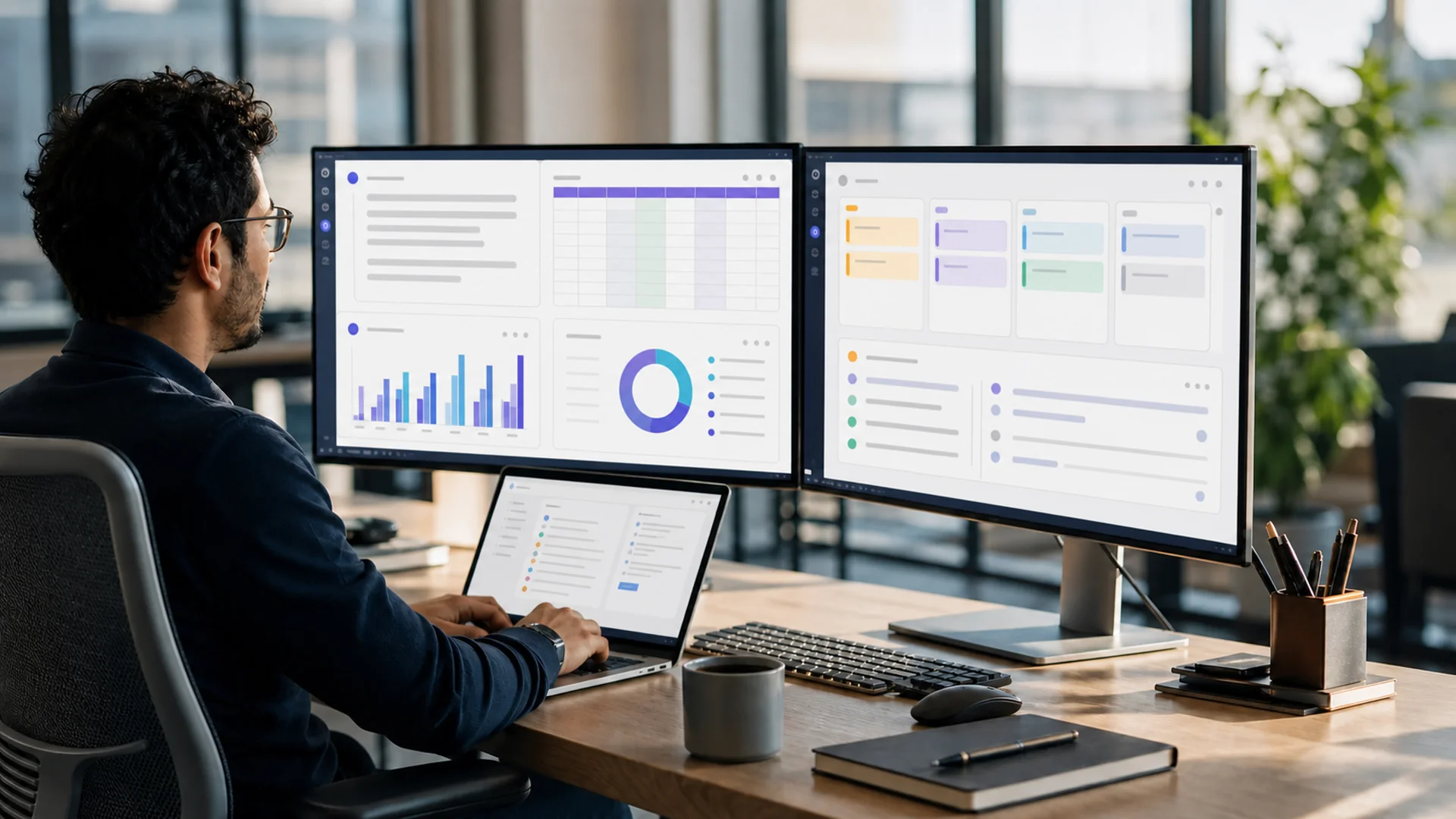
AI office automation is moving beyond one-shot content generation into context-aware workflows that read files, call tools, connect data, and produce finished deliverables. This guide compares Microsoft 365 Copilot, Google Gemini for Workspace, Notion AI, Slack AI, Zapier AI, Make, Feishu, DingTalk, WPS AI, and MCPlato.

AI learning assistants are moving from answer engines to source-grounded learning contexts and review loops. This guide compares NotebookLM, Khanmigo, ChatGPT Study Mode, Quizlet, Duolingo Max, and MCPlato for complex materials, exam prep, research, and long-term knowledge management.

Claude Fable 5 points to a new class of long-task AI models for software engineering, research synthesis, document analysis, and multi-agent workflows—if teams manage cost, safety, access, and verification carefully.
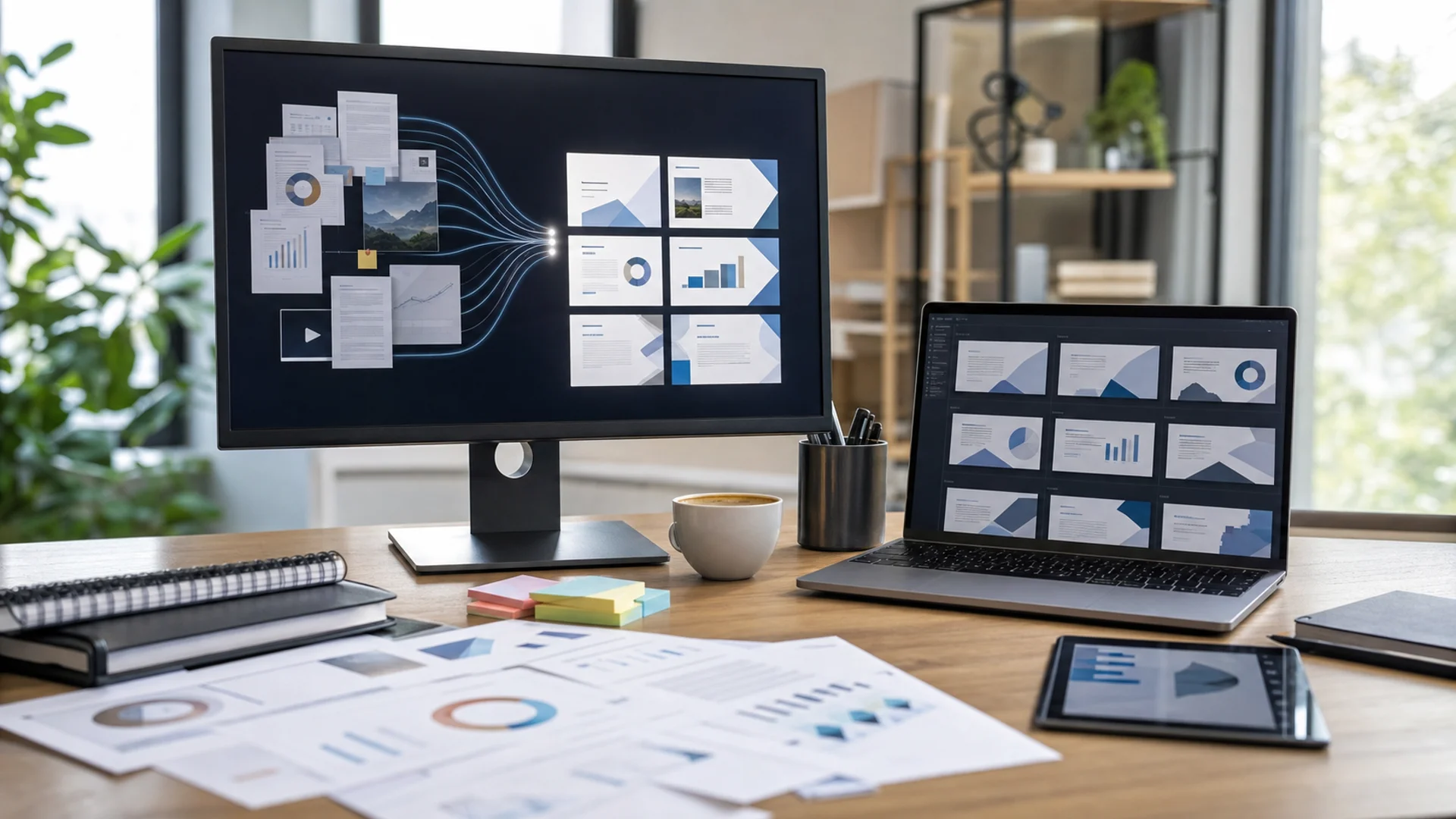
AI presentation tools are moving beyond prompt-to-slide generation. This guide compares Gamma, Tome, Canva, Beautiful.ai, Microsoft Copilot, Google Gemini in Slides, and MCPlato for turning source materials into presentation-ready work.
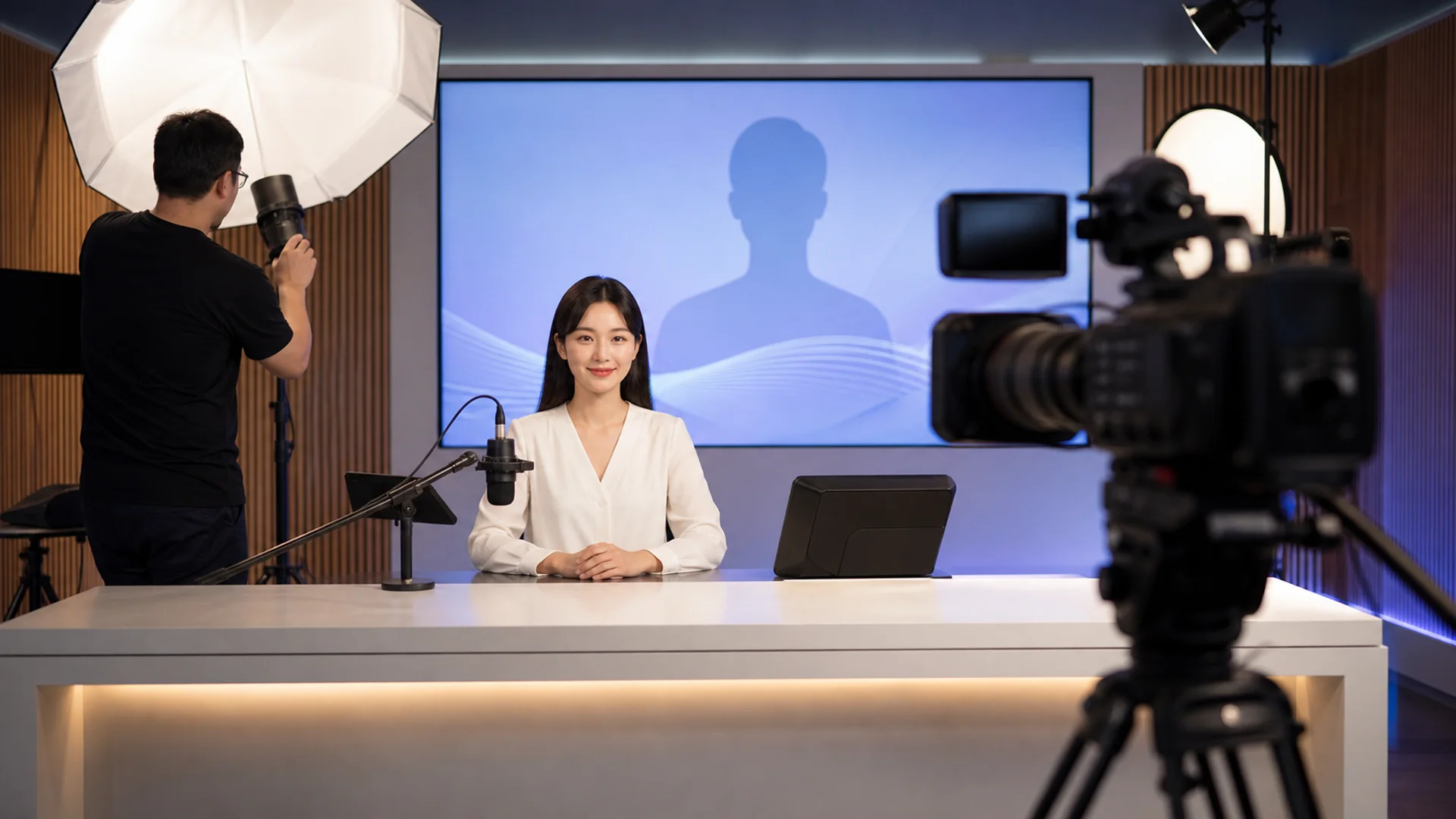
AI digital humans and virtual anchors are moving from novelty demos into practical production workflows for spokesperson videos, livestream commerce, training, localization, customer service, and IP operations. This guide maps the tools, cases, limits, and workflow role MCPlato can play around the digital-human stack.
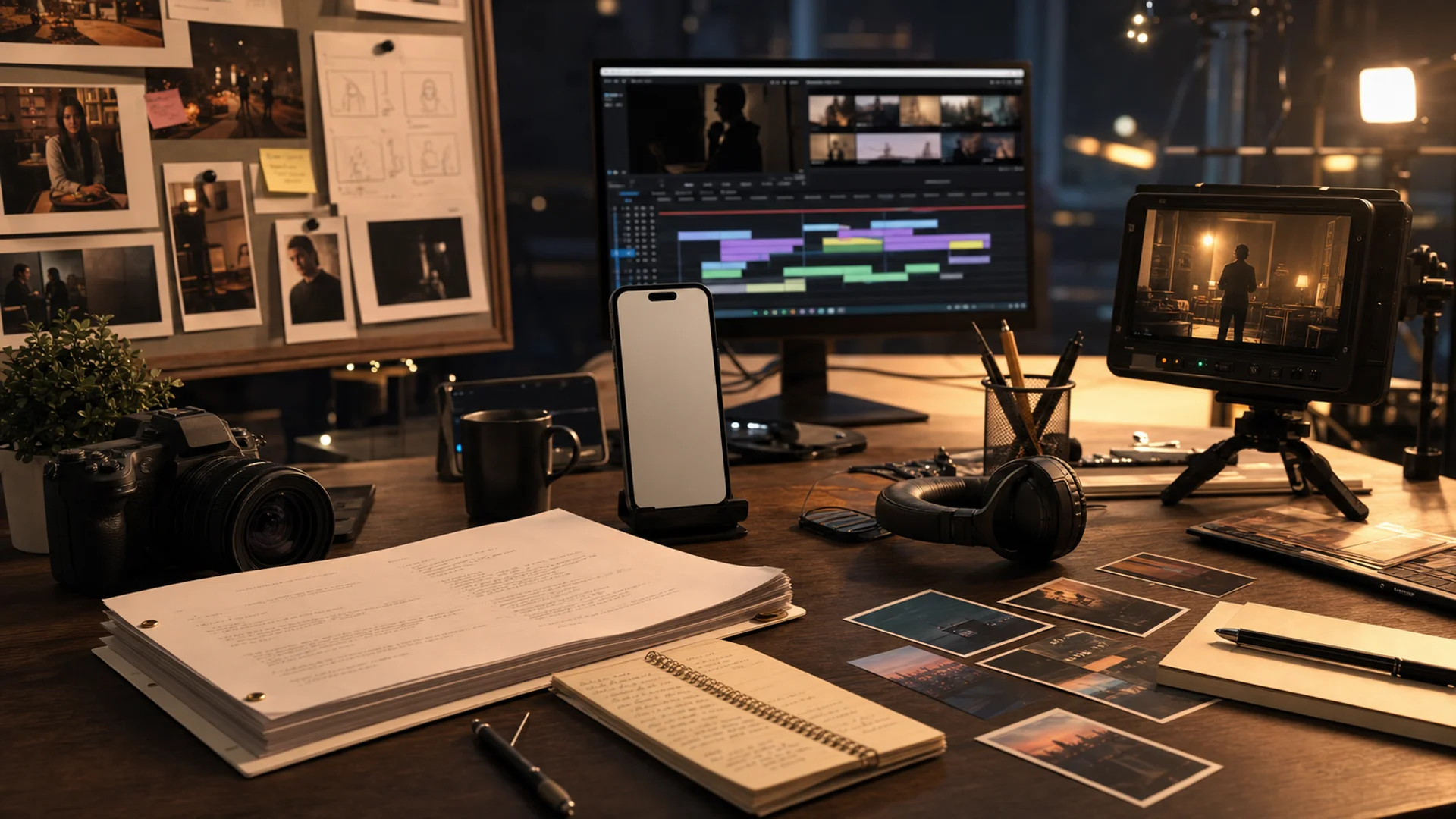
AI micro-dramas are moving from viral experiments to repeatable production systems. This guide maps the script-to-release workflow, compares major video and audio tools, and shows how MCPlato helps creators coordinate the work without pretending AI is one-click filmmaking.
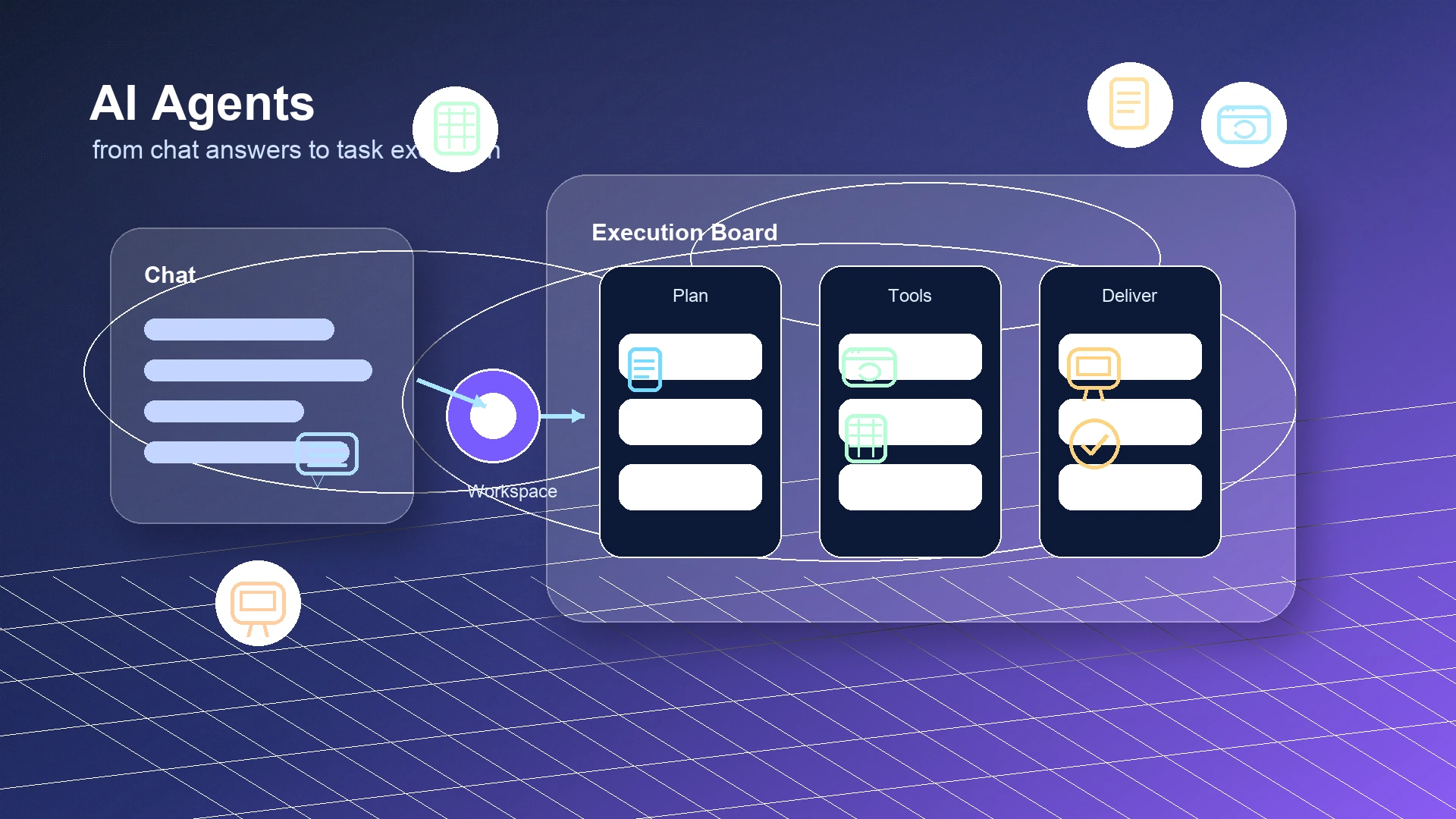
AI agents are evolving from chatbots that answer questions into task executors that plan work, use tools, request human approval, and deliver files. This article explains what Manus, Genspark, Claude Computer Use, Operator-style agents, and MCPlato reveal about the next everyday workflow.
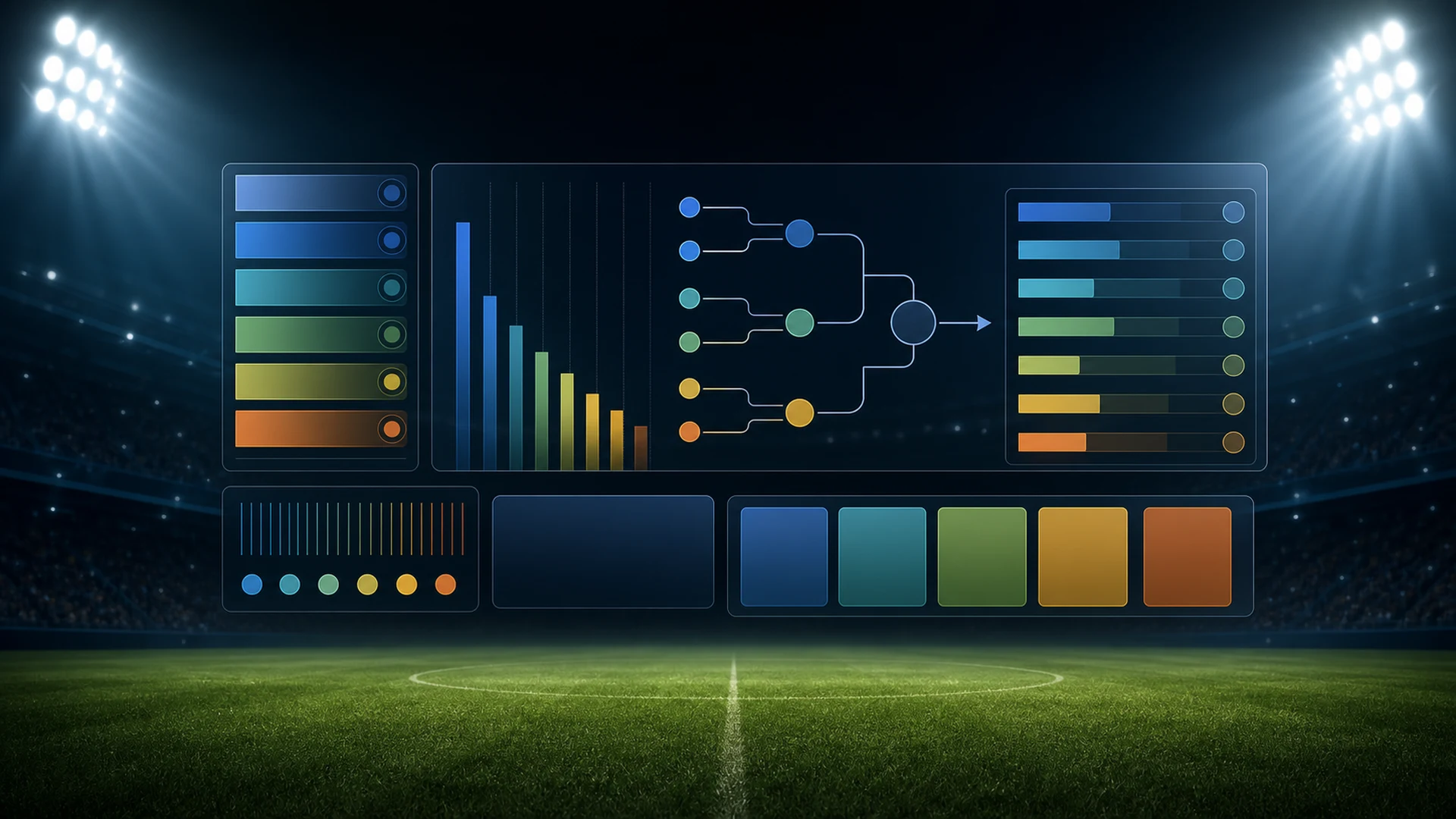
A practical, source-cited workflow for using MCPlato to read official World Cup 2026 tables, apply the updated qualification rules, simulate final-round scenarios, compare third-place teams, and map possible Round of 32 opponents without pretending to predict matches.
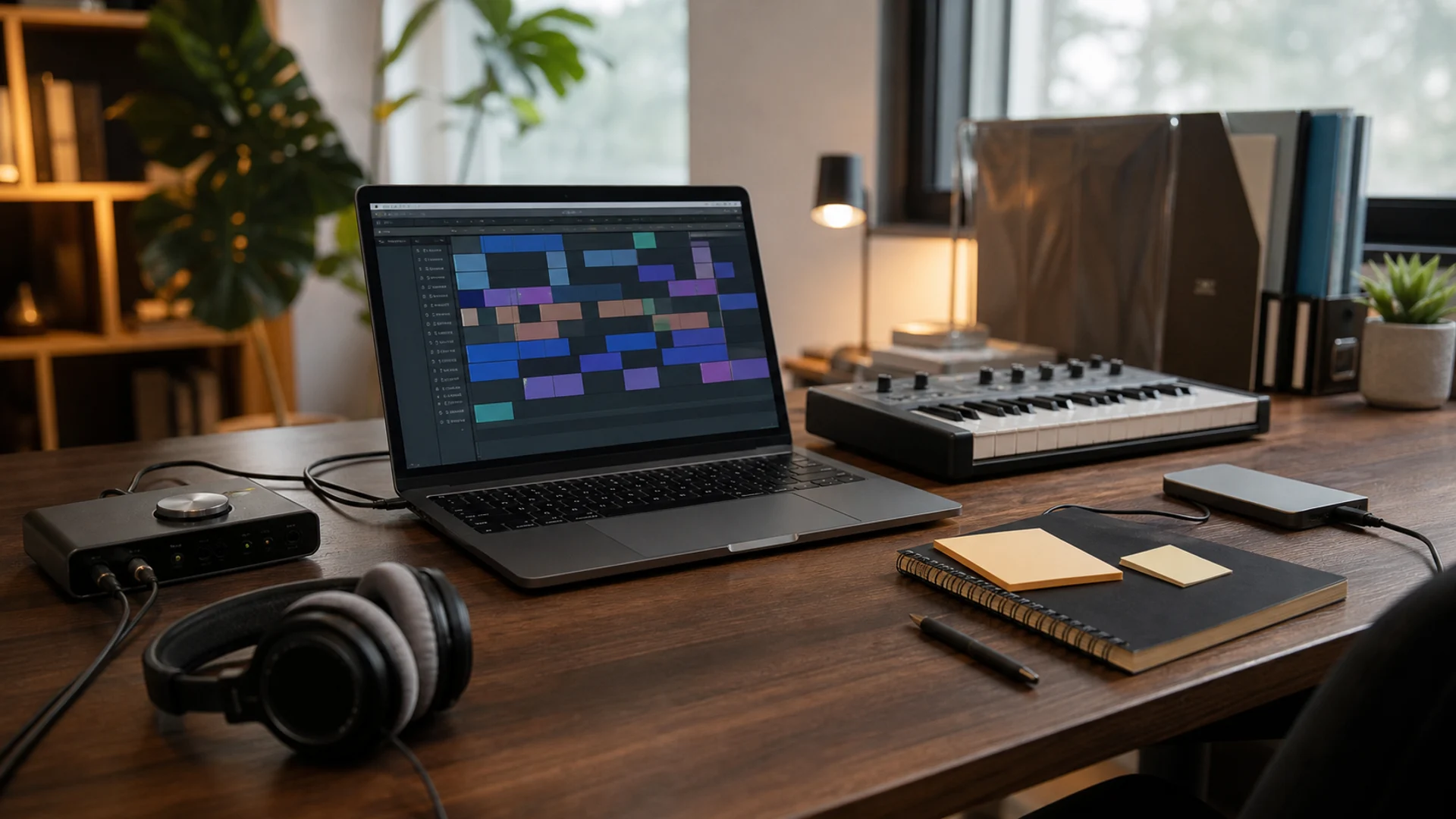
A practical guide to AI music generation in 2026, comparing Suno, Seed-Music, Udio, Stable Audio, Google Lyria, open models, licensing tools, and how MCPlato helps teams turn music models into real production workflows.

Gamma is excellent for fast, polished AI decks, sites, docs, social posts, sharing, analytics, collaboration, and API generation. MCPlato is the better fit when a deck is only one artifact inside a local-first, multi-session, permissioned workflow that also touches files, browsers, schedules, channels, and deliverables.
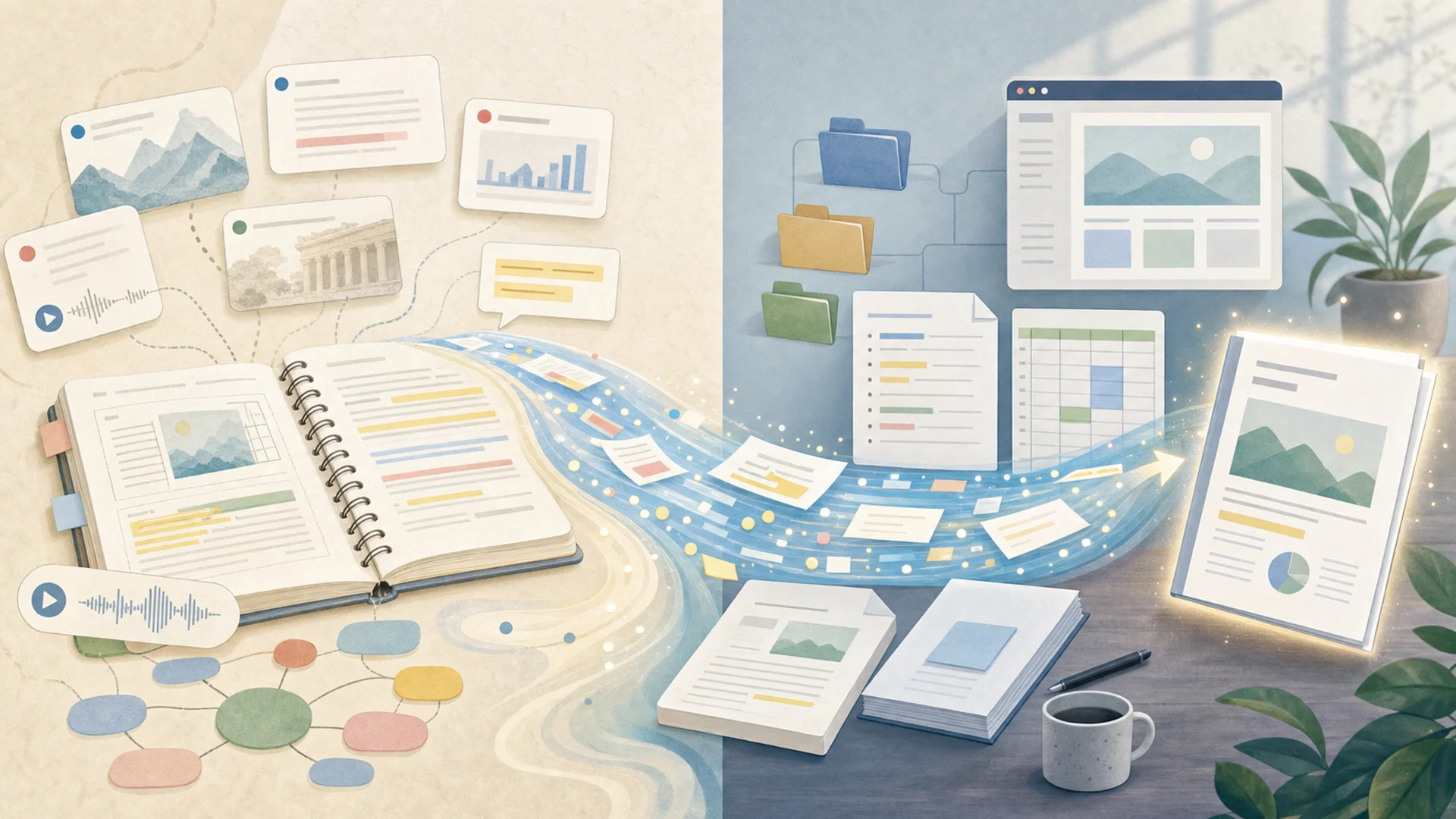
NotebookLM is excellent for source-grounded learning, citations, Audio and Video Overviews, and student study artifacts. MCPlato complements it when research must become local files, workflow artifacts, multi-session execution, automation, and permissioned follow-through.
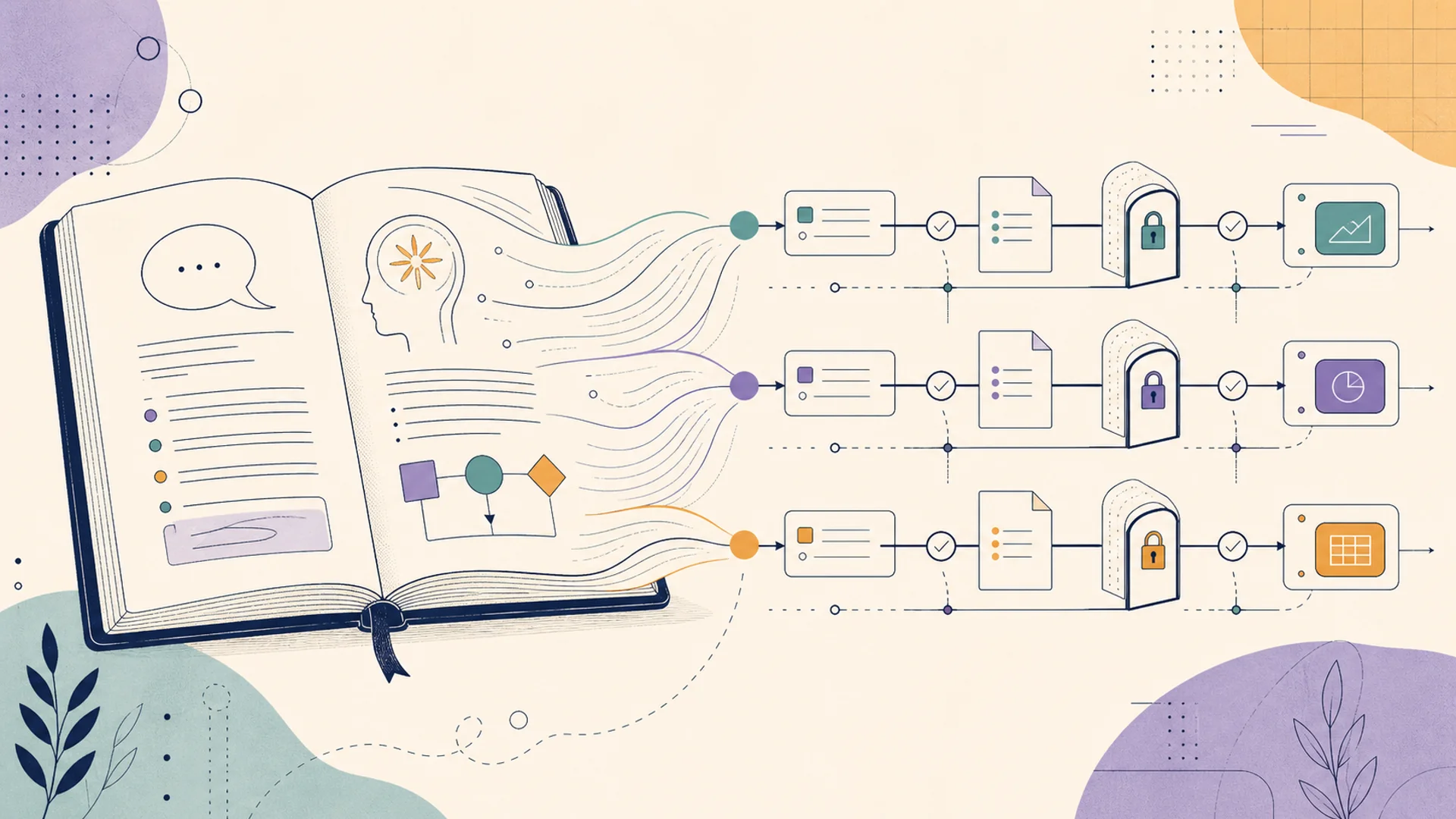
Anthropic’s official Claude system prompt release notes show a shift from smarter chat toward agent operating manuals. Here is why that shift makes harnesses, artifacts, permissions, and MCPlato-style workspaces matter.
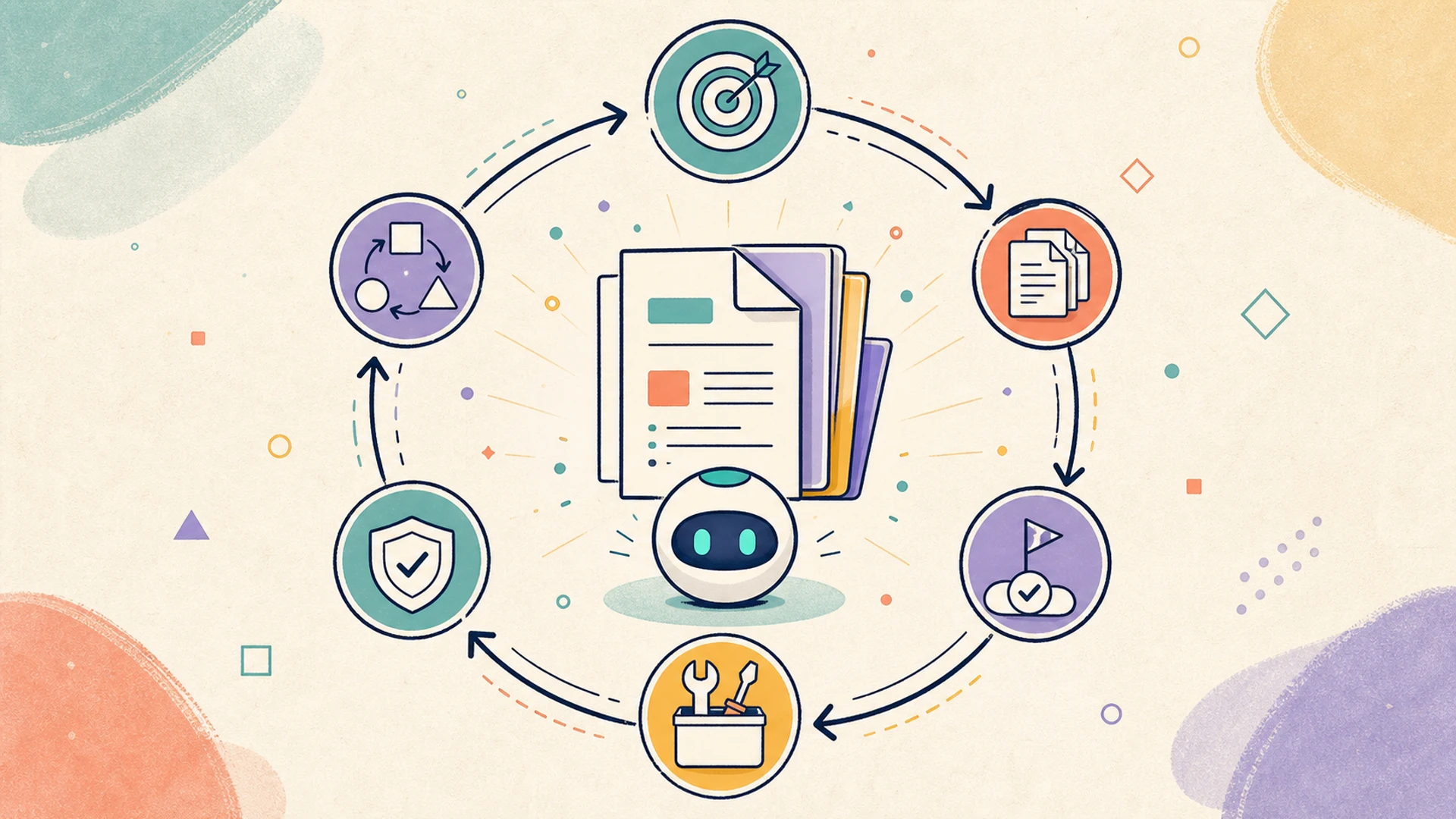
A practical guide to using Loop Engineering in MCPlato: how to turn one-off AI prompts into observable, recoverable work loops with checkpoints, permissions, and durable artifacts.
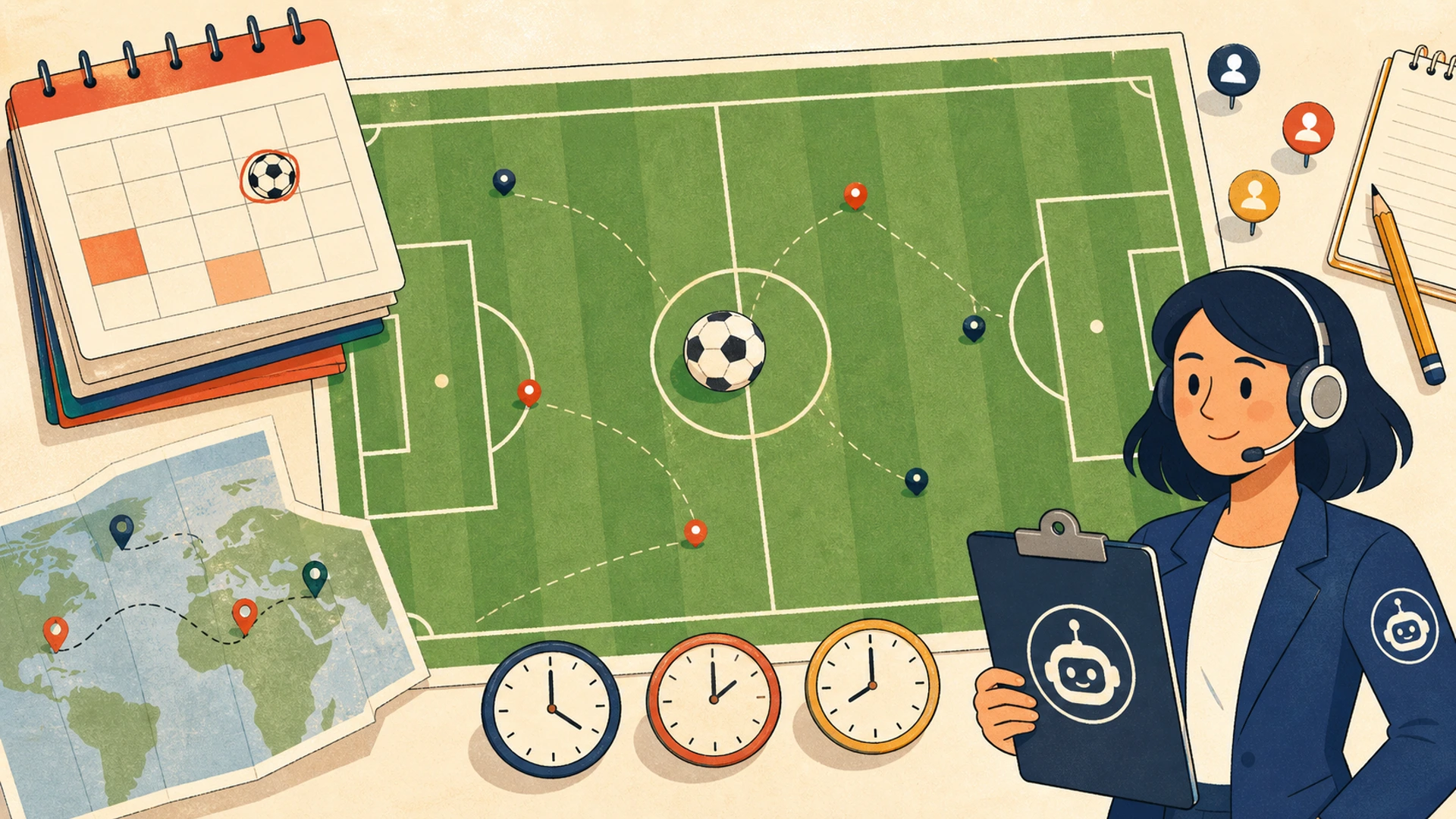
World Cup 2026 is not just a sports event; it is an information-coordination problem. Here is how an AI Partner can act as a cited, permissioned virtual employee for schedules, research, sentiment, travel context, and matchday workflows.
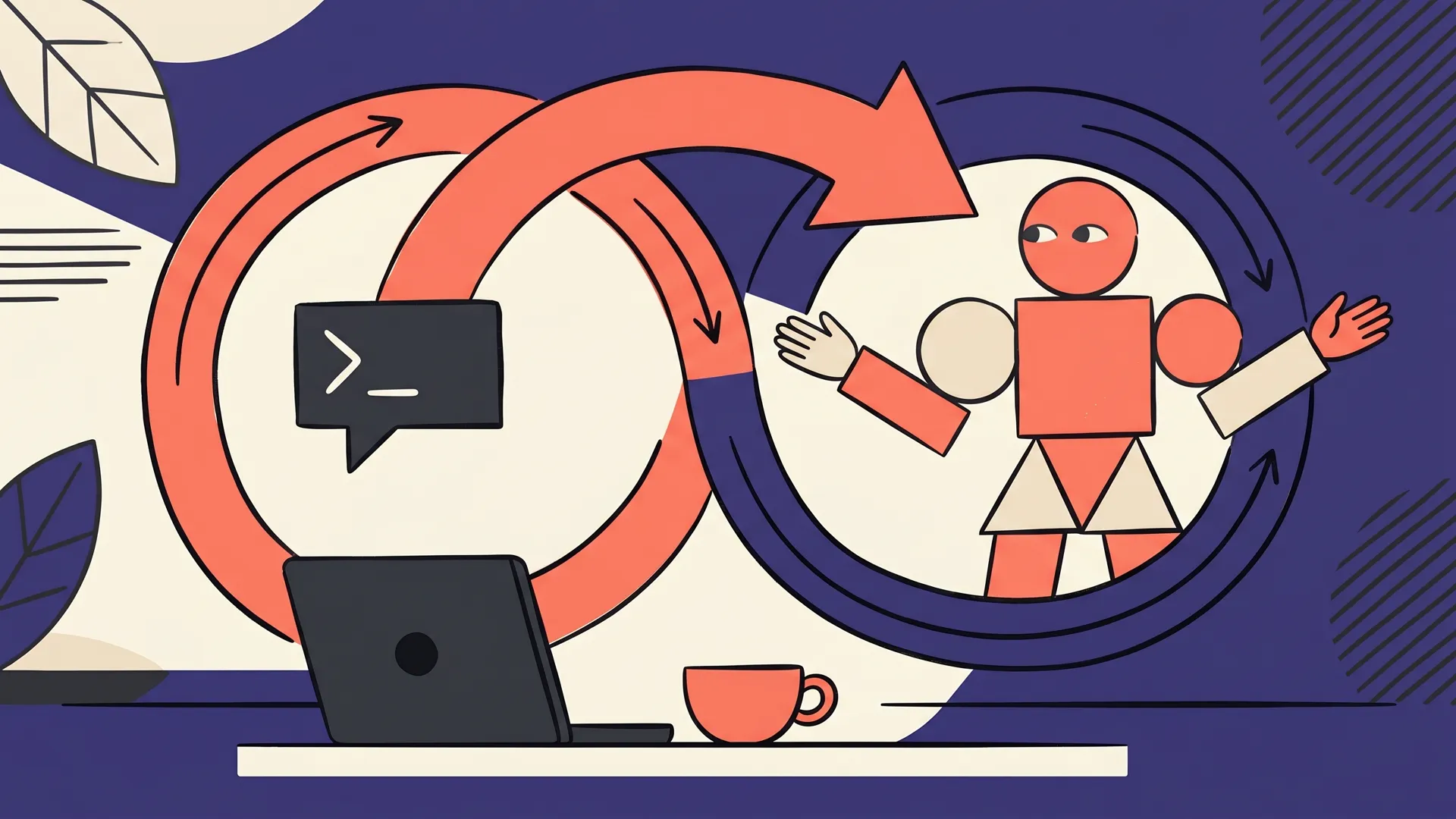
AI is evolving from a question-answering tool into an autonomous working partner. This article explores the architectural shift from prompt engineering to trustworthy loops, and how MCPlato encapsulates this new paradigm with Wand, Sprite, and Artifact.
A June 2026 comparison of ChatGPT and MCPlato: where ChatGPT leads as the general AI front door, and where MCPlato differs as a Personal Agent Operating System for long-horizon, artifact-first work.
A June 2026 comparison of Claude Code, Claude Cowork, and MCPlato: where Claude leads in repo-native engineering, and where MCPlato differs as a Personal Agent Operating System.
A June 2026 comparison of OpenAI Codex and MCPlato: where Codex leads in cloud coding, GitHub workflows, PR review, CLI/app/IDE, and Sites deployments, and where MCPlato is different as a Personal Agent Operating System.
A June 2026 comparison of Cursor and MCPlato for developers, architects, and enterprise buyers: IDE-native coding agent versus Personal Agent Operating System.

A June 2026 comparison of Devin and MCPlato: hosted autonomous software engineering versus a local-first Personal Agent Operating System for observable, permissioned, all-modal work.

A June 2026 comparison of Dify and MCPlato: open-source AI app platform, workflow builder, RAG, and deployment layer versus local-first Personal Agent OS for individual AI work.
A June 2026 comparison of Manus and MCPlato: hosted cloud-agent breadth and Wide Research versus a local-first Personal Agent Operating System for personal materials, sessions, permissions, and artifacts.

As of June 2026, Perplexity is excellent for sourced answers and browser-assisted research, while MCPlato is designed to turn research into long-running work artifacts, decisions, and permissioned desktop execution.

A 2026 deep review of Claude Design, Sites in Codex, Figma, Lovart, and MCPlato—and why AI design now belongs in a web-experience stack, not one winner-takes-all category.
Europe's enterprise AI market is not just choosing better chat. The practical winning stack combines suite copilots, domain agents, sovereign options, and a permissioned workspace harness for observable work.
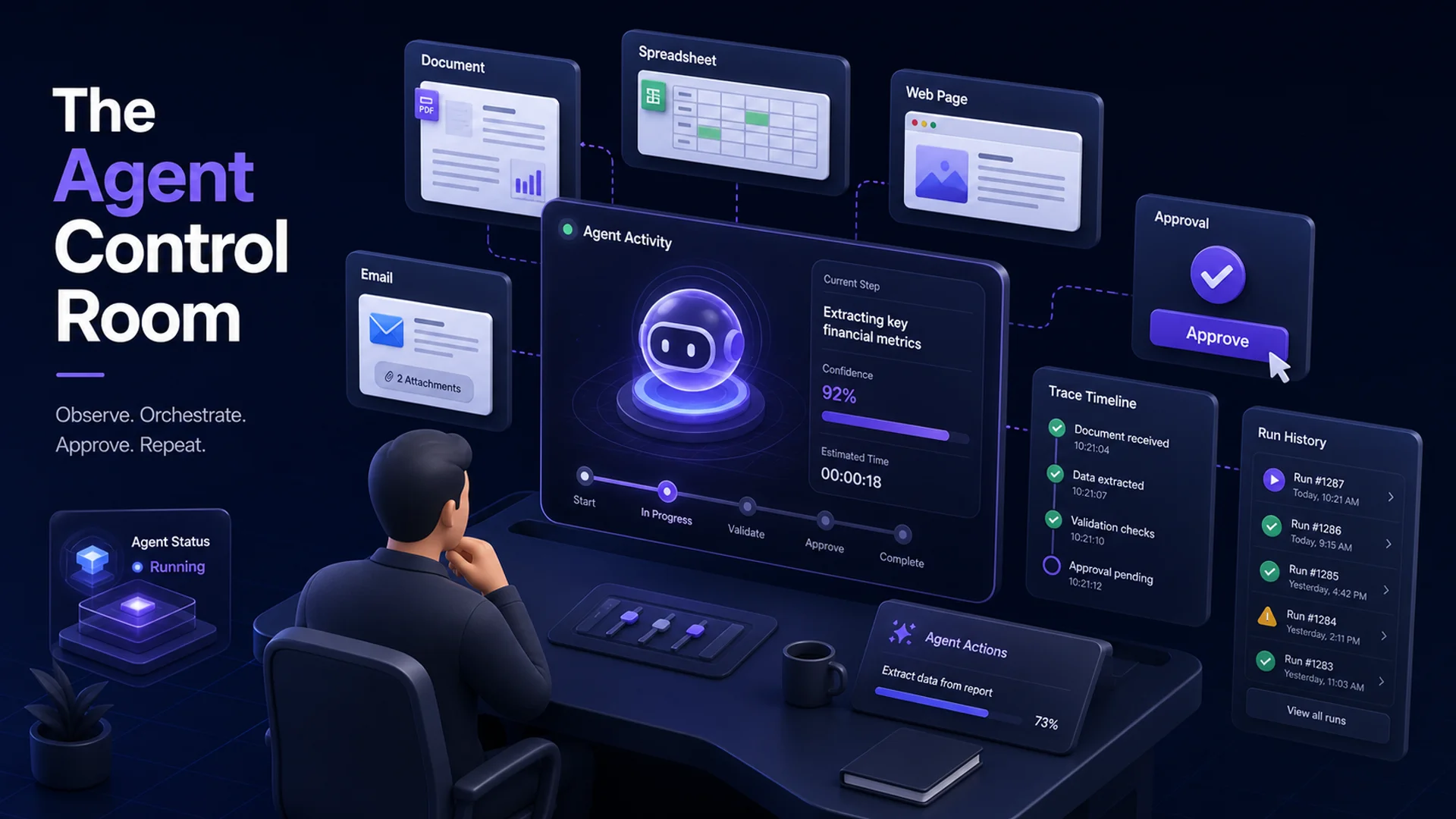
Computer-using office agents are moving from chat assistance into real app operation. The next product frontier is an observable, permissioned AI workspace where agent work can be supervised, recovered, and turned into artifacts.
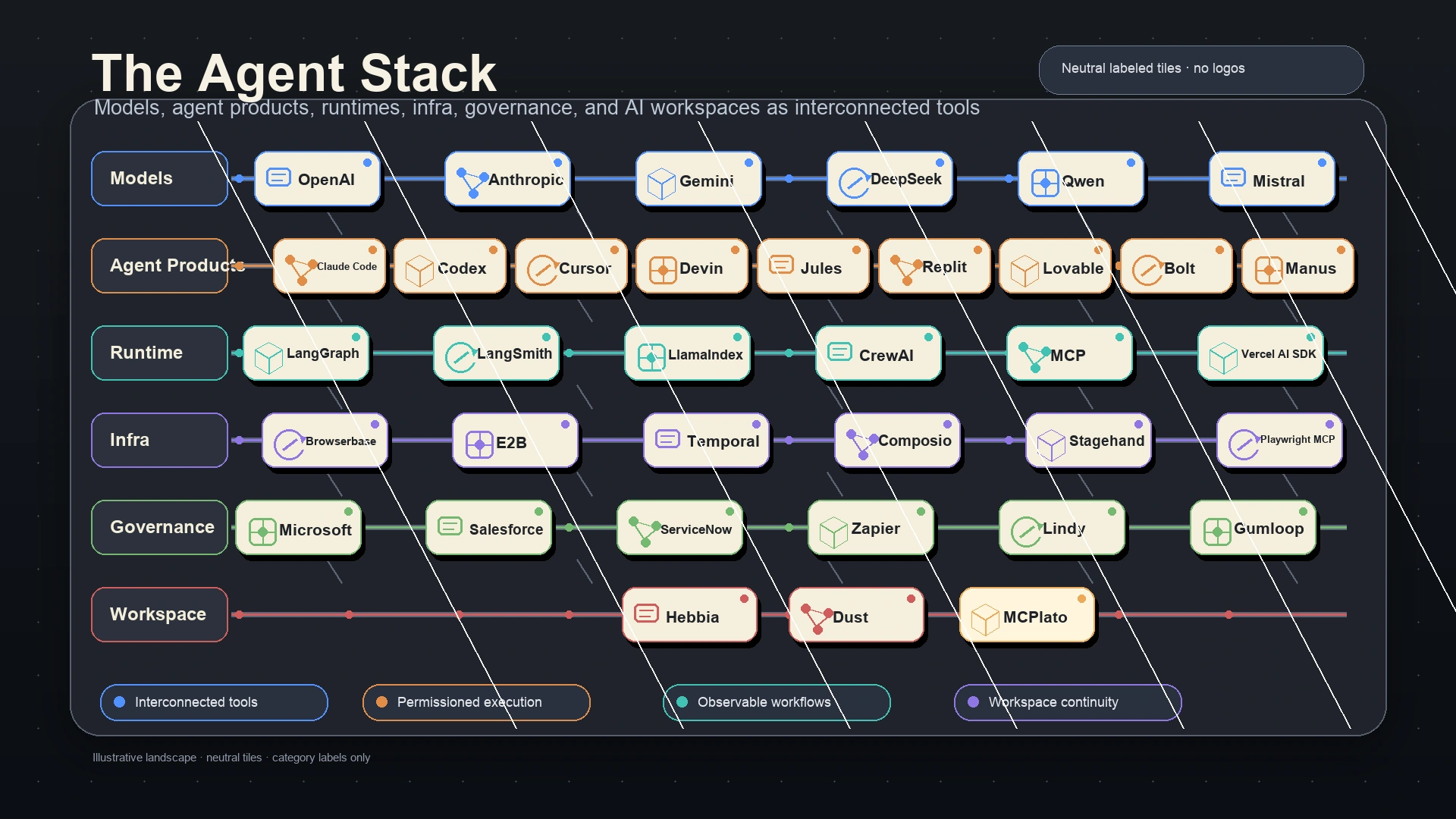
A concise 2026 H1 landscape of AI agents, coding agents, harnesses, runtimes, browser and sandbox infrastructure, observability, governance, and AI workspaces — with MCPlato positioned as part of the workspace layer.
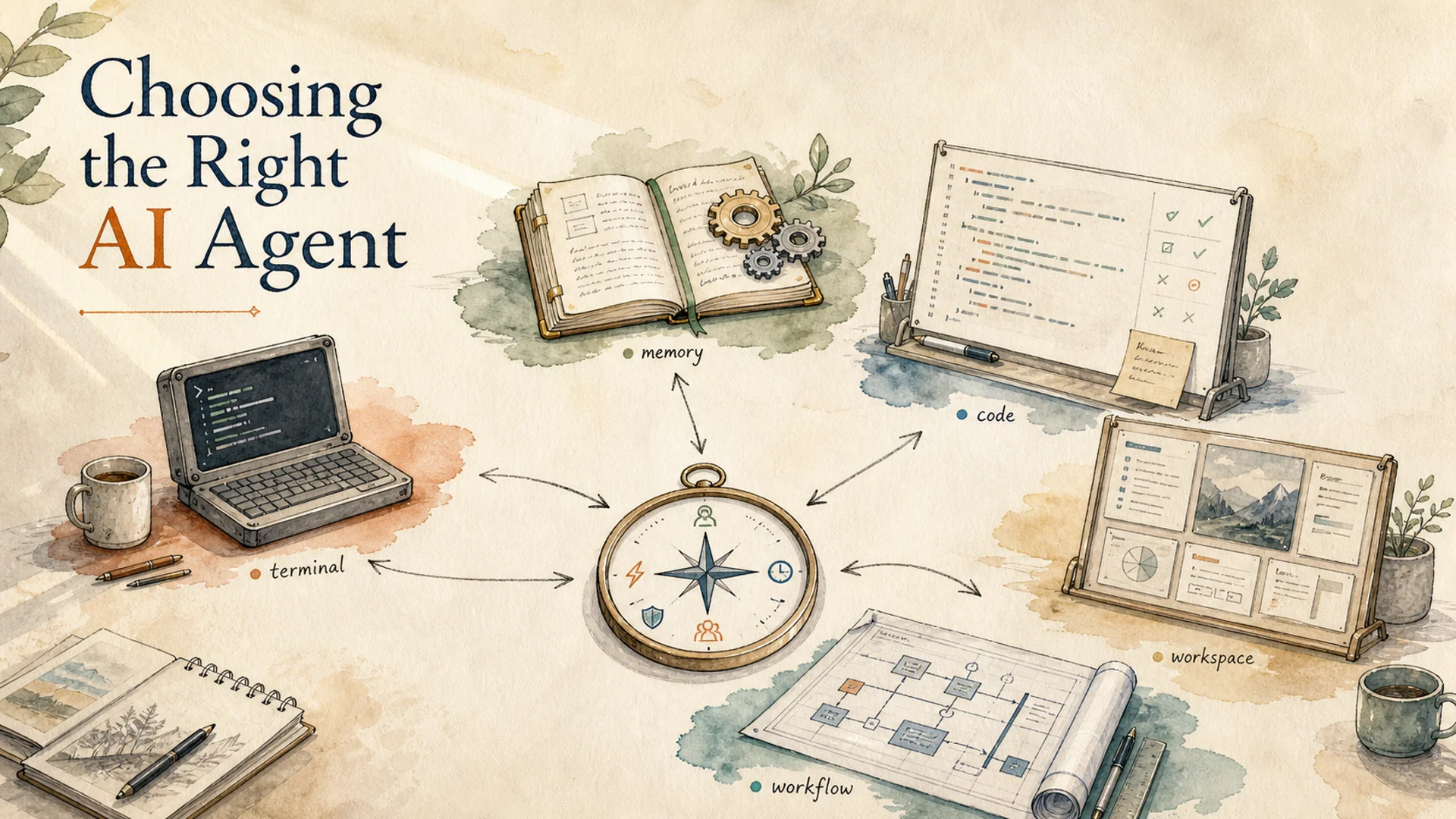
A source-based comparison of Pi Agent, Hermes Agent, Codex, Claude Code, and MCPlato for coding, automation, permissions, and long-running work.
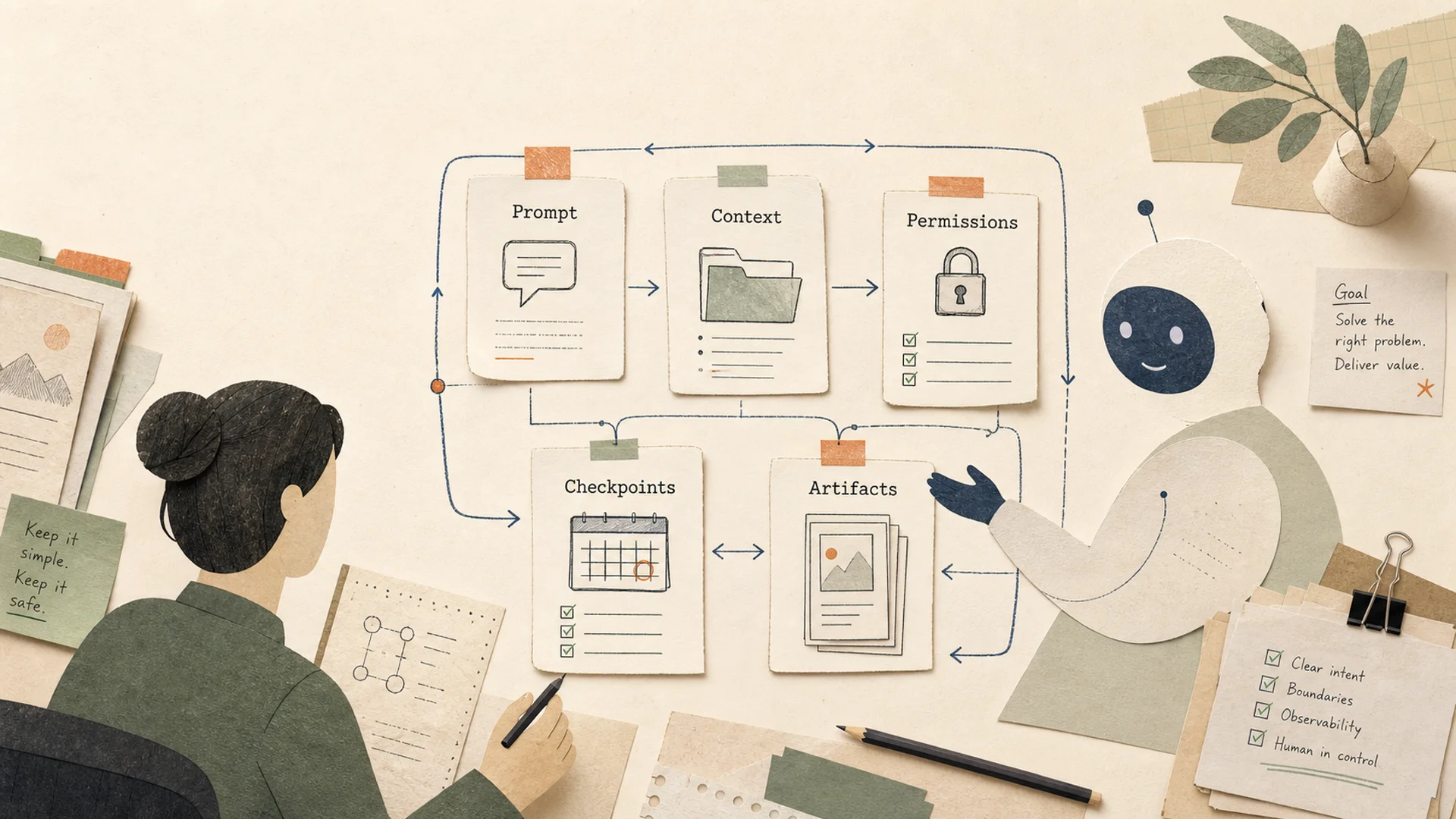
General AI agents are most useful when they run inside bounded, inspectable workflows. This guide covers prompt contracts, long-running task structure, human checkpoints, curated environments, and reviewable artifacts for agents like Hermes, OpenClaw-style gateways, and MCPlato.
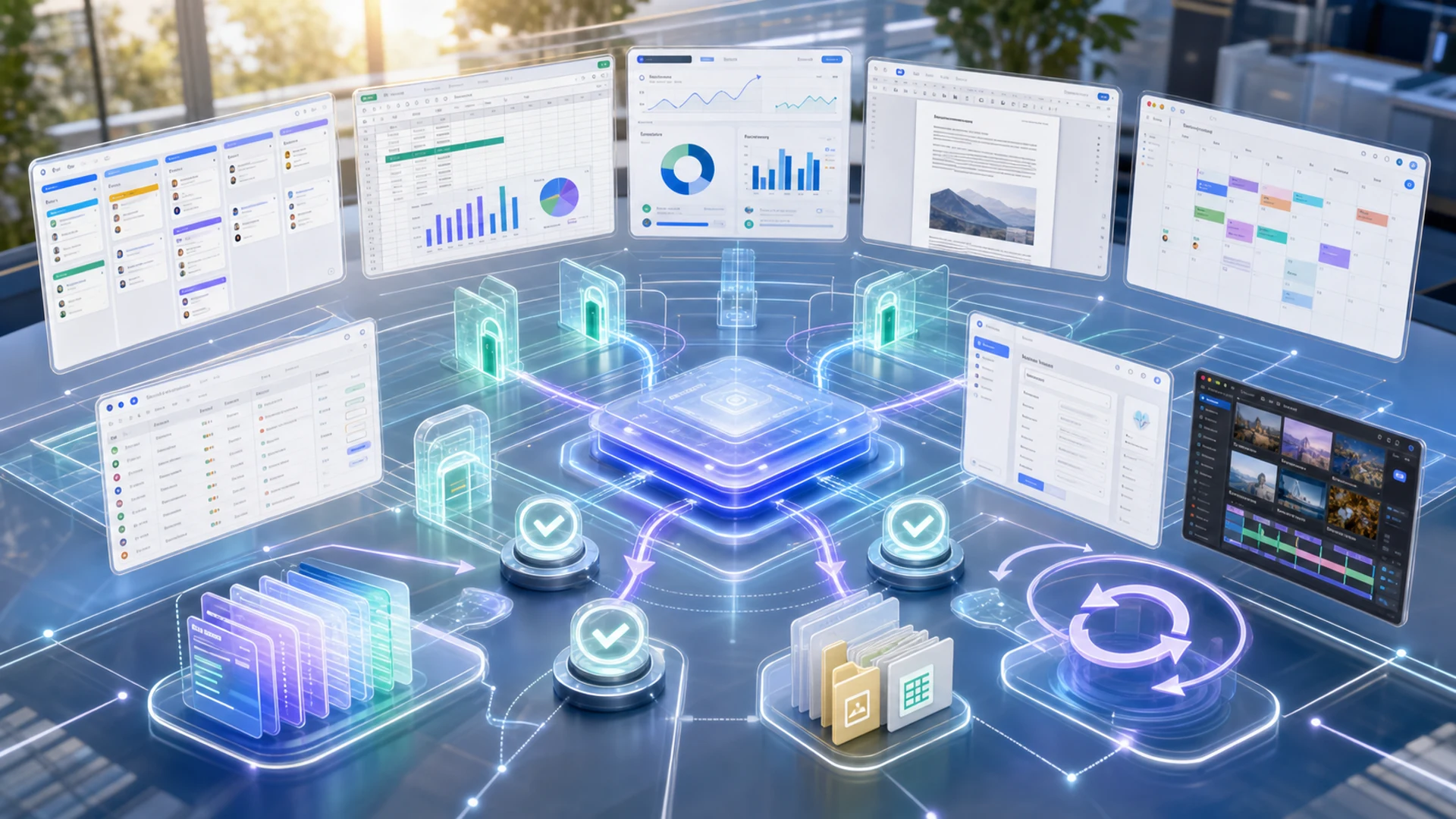
SaaS-Bench tests computer-use agents on real professional SaaS workflows and exposes the gap between partial progress and verified completion. The result points to agent harnesses, workspace state, verification, permissions, and recovery as the next product layer.
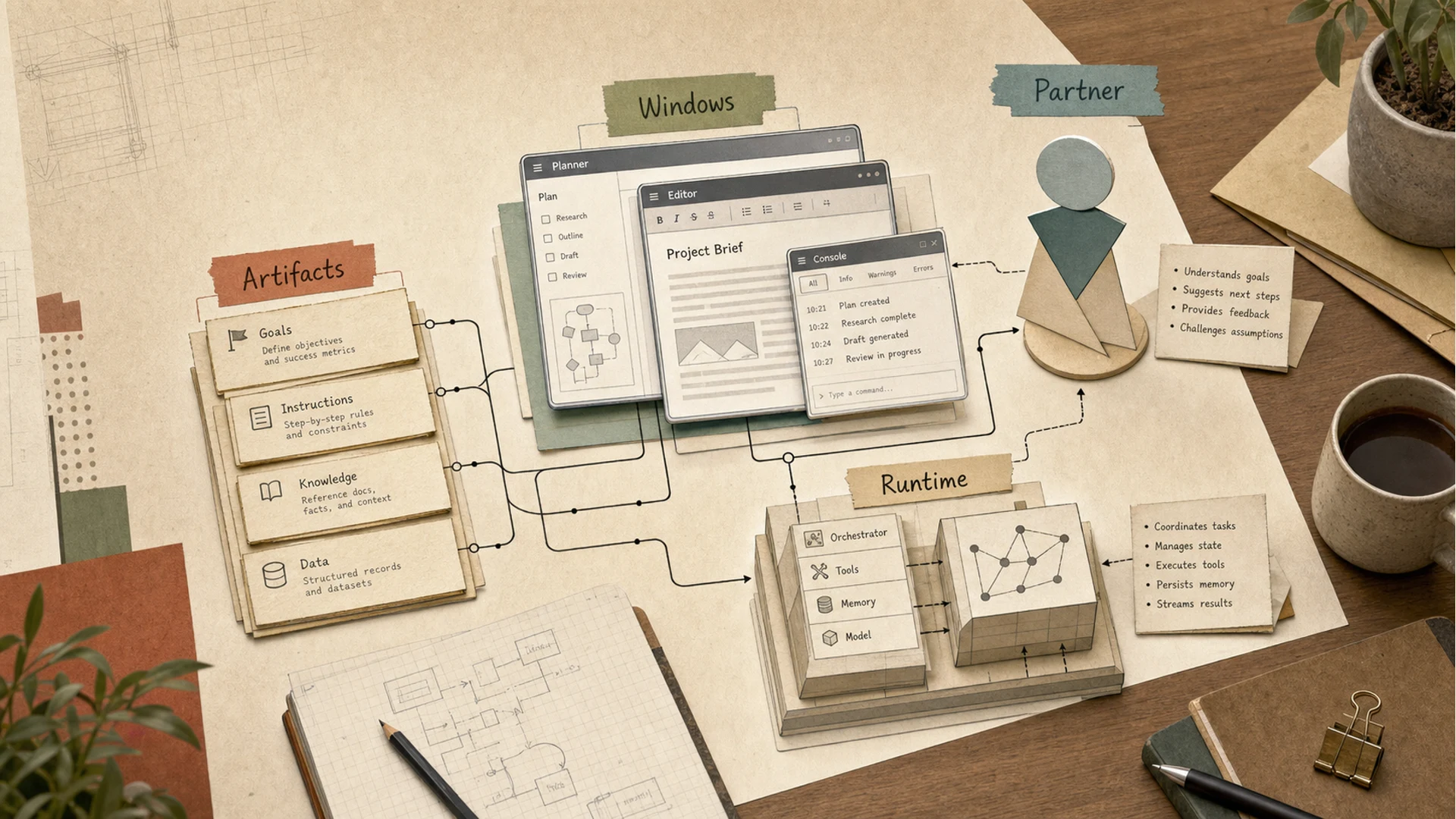
A technical report on why AI workspaces are moving beyond chat toward durable artifacts, runtime discipline, parallel work surfaces, and virtual partners for developer and architecture workflows.
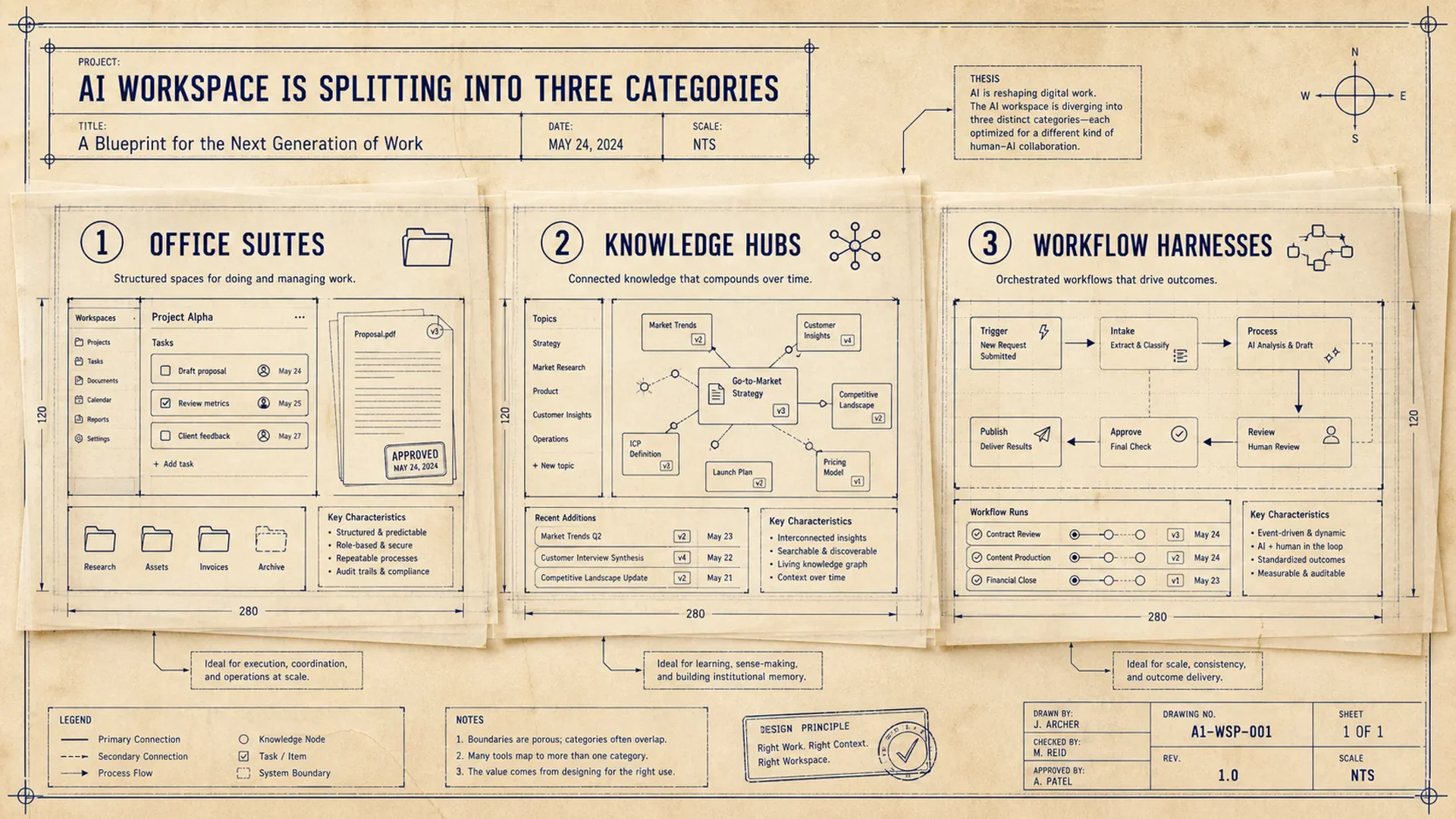
Explore how AI workspace products are evolving beyond chat into three categories: office suites, knowledge hubs, and workflow harnesses. Compare Notion AI, Microsoft 365 Copilot, Google Workspace Gemini, ChatGPT, Claude, Glean, Cursor, and MCPlato.
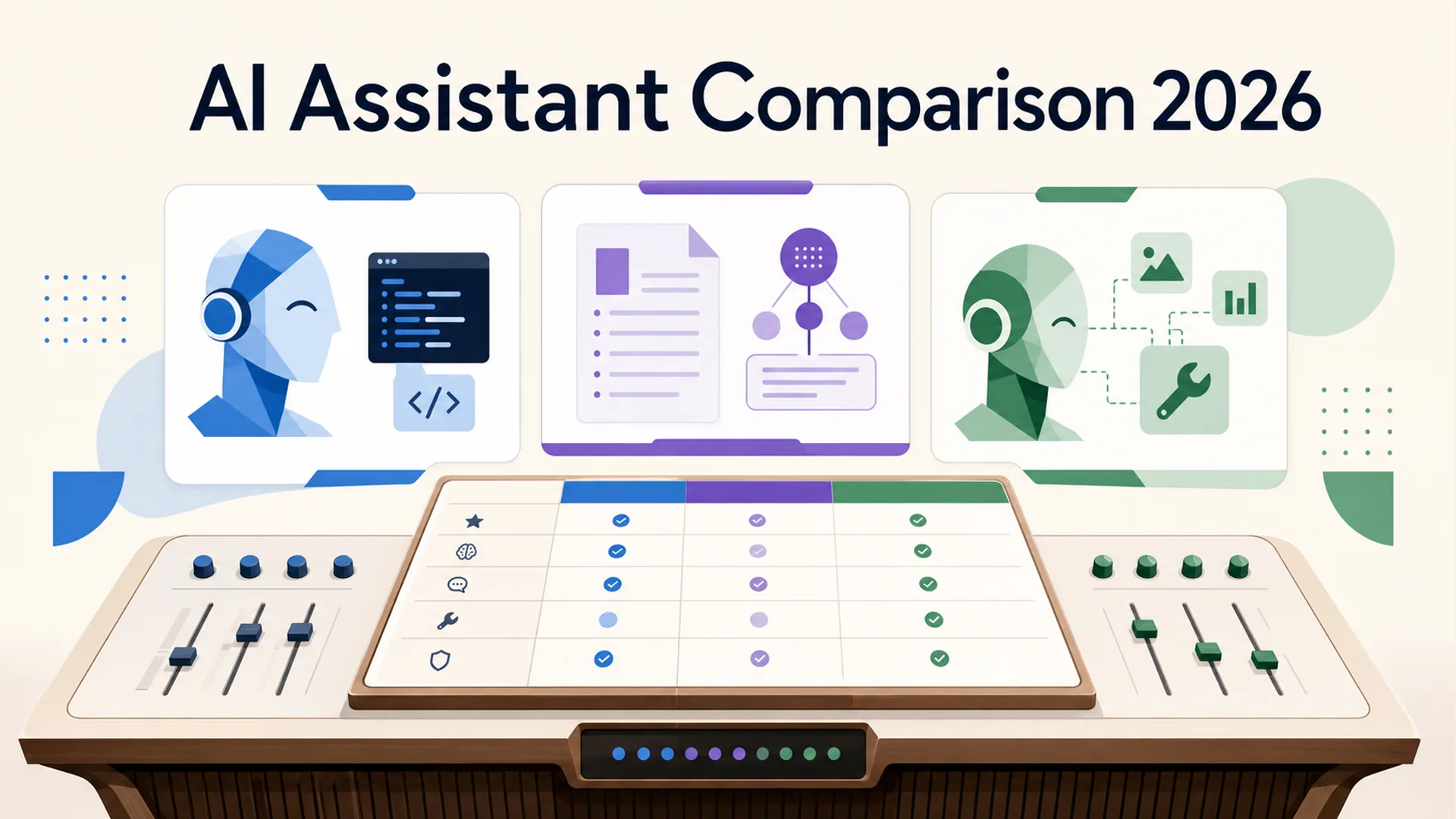
A practical comparison of Gemini 3.5 Flash, Claude Opus 4.7, and GPT-5.5 across coding, long-context research, multimodal work, tool use, enterprise privacy, writing strategy, and cost—plus why teams need a multi-model workspace to evaluate and orchestrate frontier AI assistants.
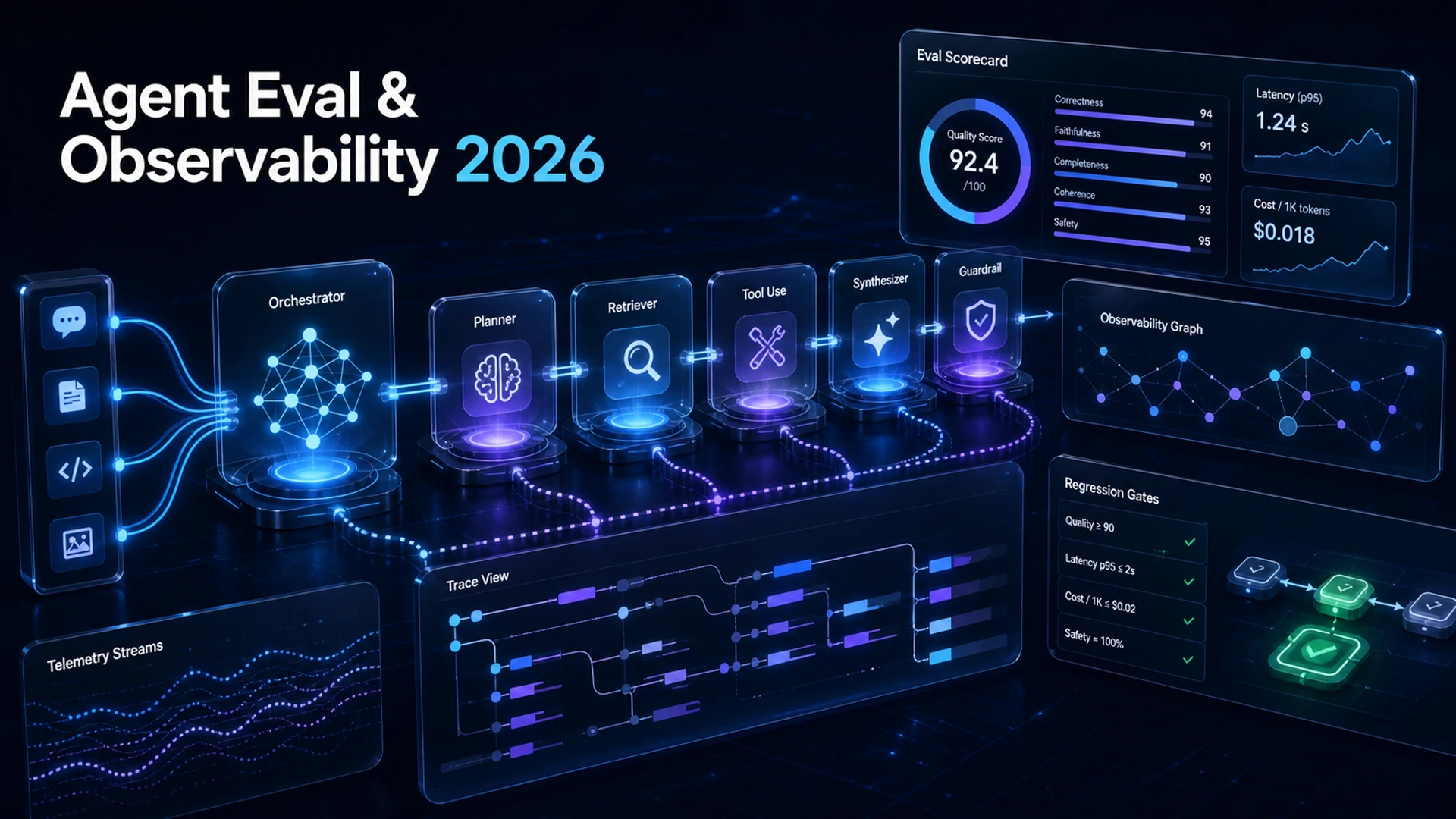
A data-backed ranking of LangSmith, Braintrust, Langfuse, Arize Phoenix, Galileo, DeepEval, OpenAI Agent Evals, Ragas, Helicone — plus where MCPlato fits as a local-first AI workspace harness.
Microsoft Copilot, Google Gemini, Notion AI, Zapier Agents — we compare the leading office AI agents with real numbers. Plus: how MCPlato's orchestration approach fits the landscape.
A deep technical comparison of Alibaba's Happy Horse and ByteDance's Seedance, plus how AI agents are integrating these next-gen video models.
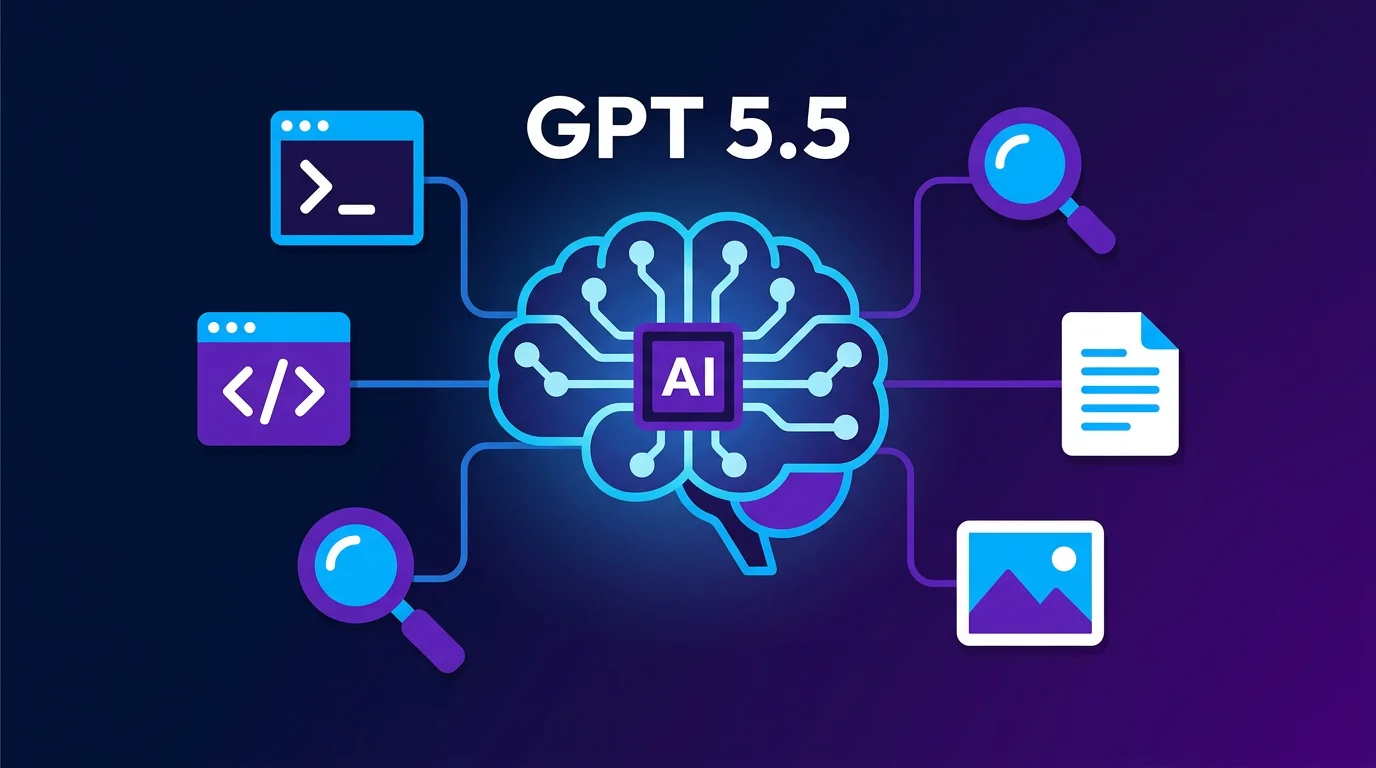
OpenAI's GPT 5.5 lands with top-tier agentic coding scores and 1M-token context. Here's what the data actually says — and how MCPlato's smart routing connects your workspace to it.
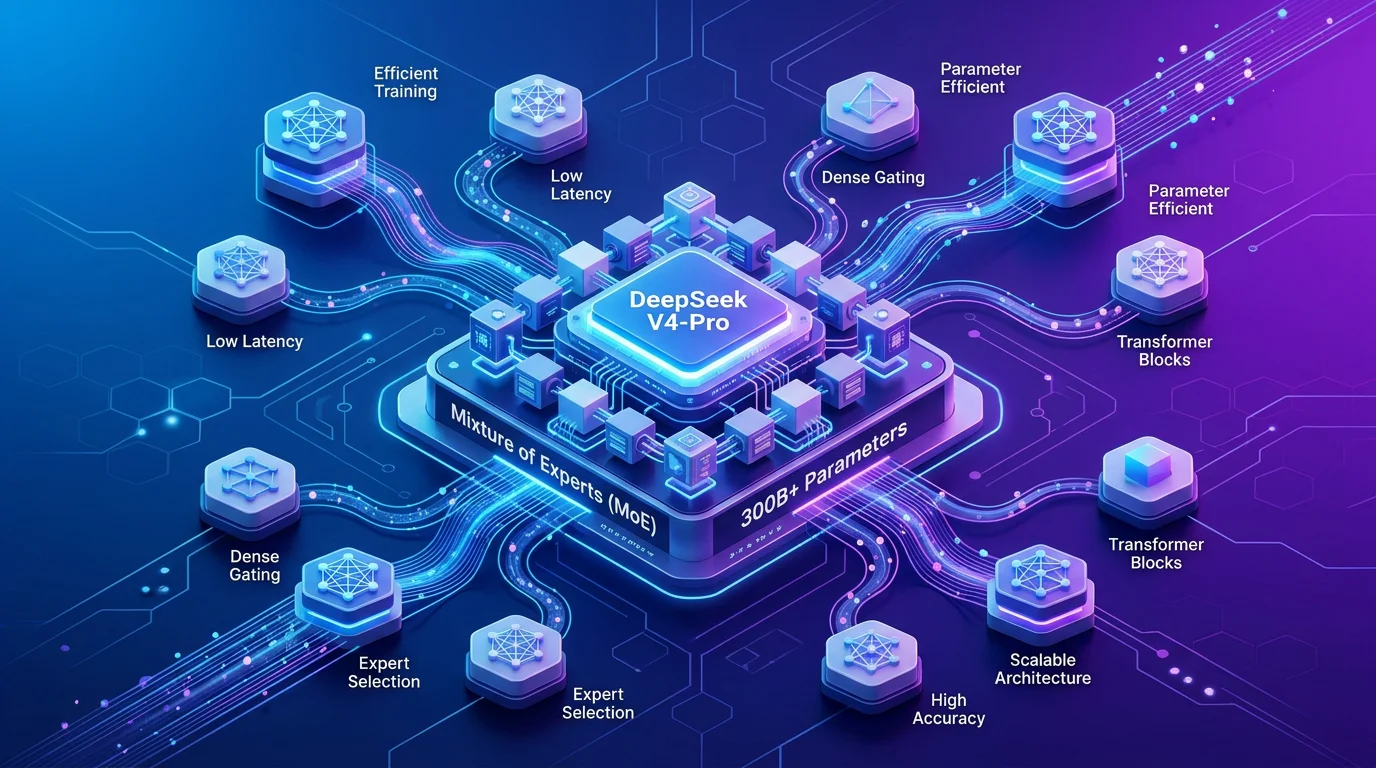
DeepSeek V4-Pro delivers 1.6T parameters with 49B active, 1M-token context, and top-tier coding benchmarks. Here's what it means for developers — and how MCPlato's smart routing puts it to work.
OpenAI just dropped GPT Image 2. The specs are impressive. But as MCPlato integrates it natively, the bigger story is whether image generation can finally escape the tab-switching trap.
Cursor 3, Vercel Agent, and Google Antigravity are redefining development. We analyze the shift from IDEs to Agent-Native Workspaces—and where MCPlato fits.
MCP has hit 97 million installs in 16 months. We explore why the protocol war is over, and why context bloat and security crises are the next battles.
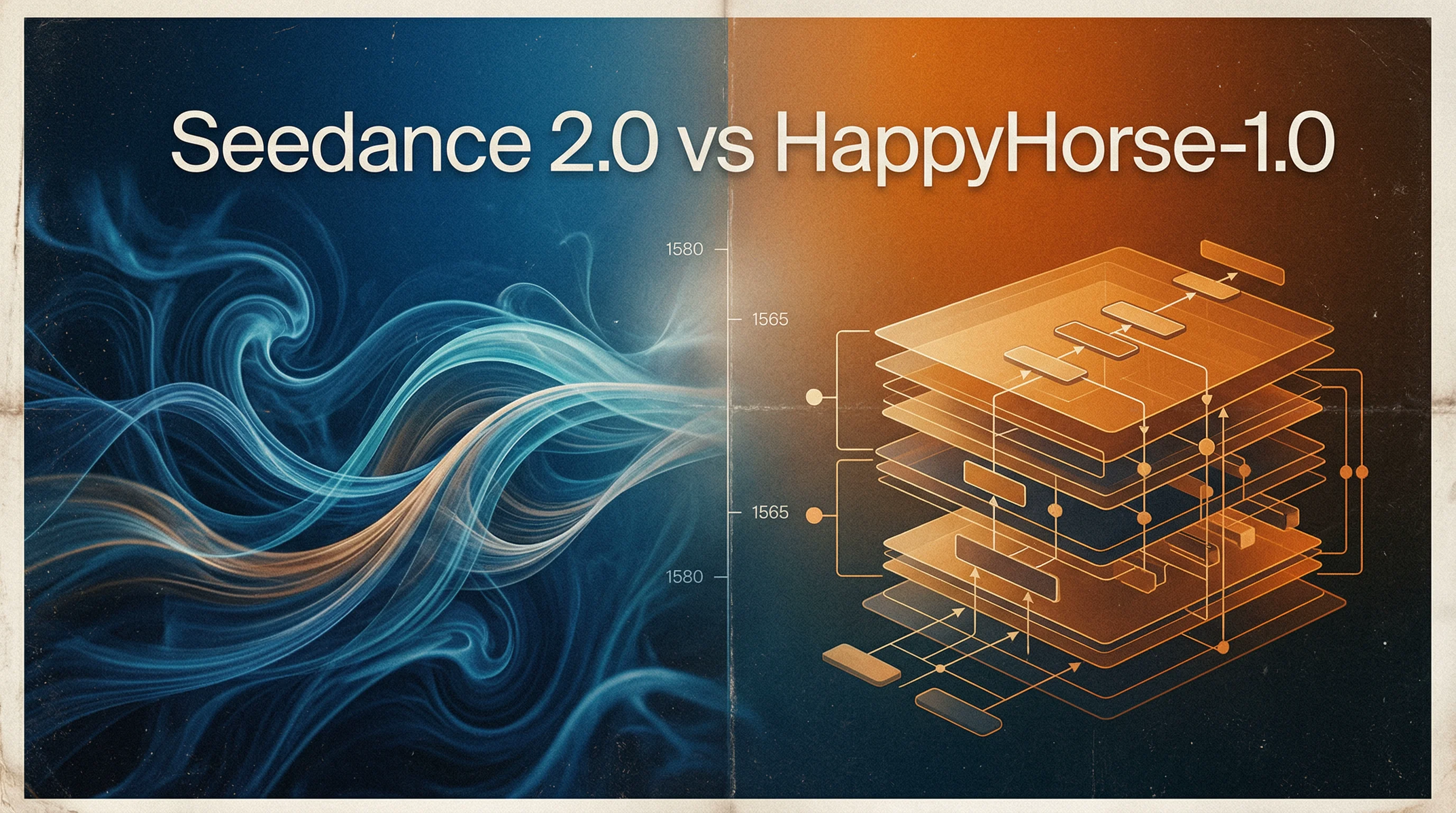
An in-depth comparison of ByteDance's Seedance 2.0 and the mysterious dark horse HappyHorse-1.0. From ELO ratings and technical architecture to application scenarios, analyzing the clash between the Diffusion and Transformer technological paths.
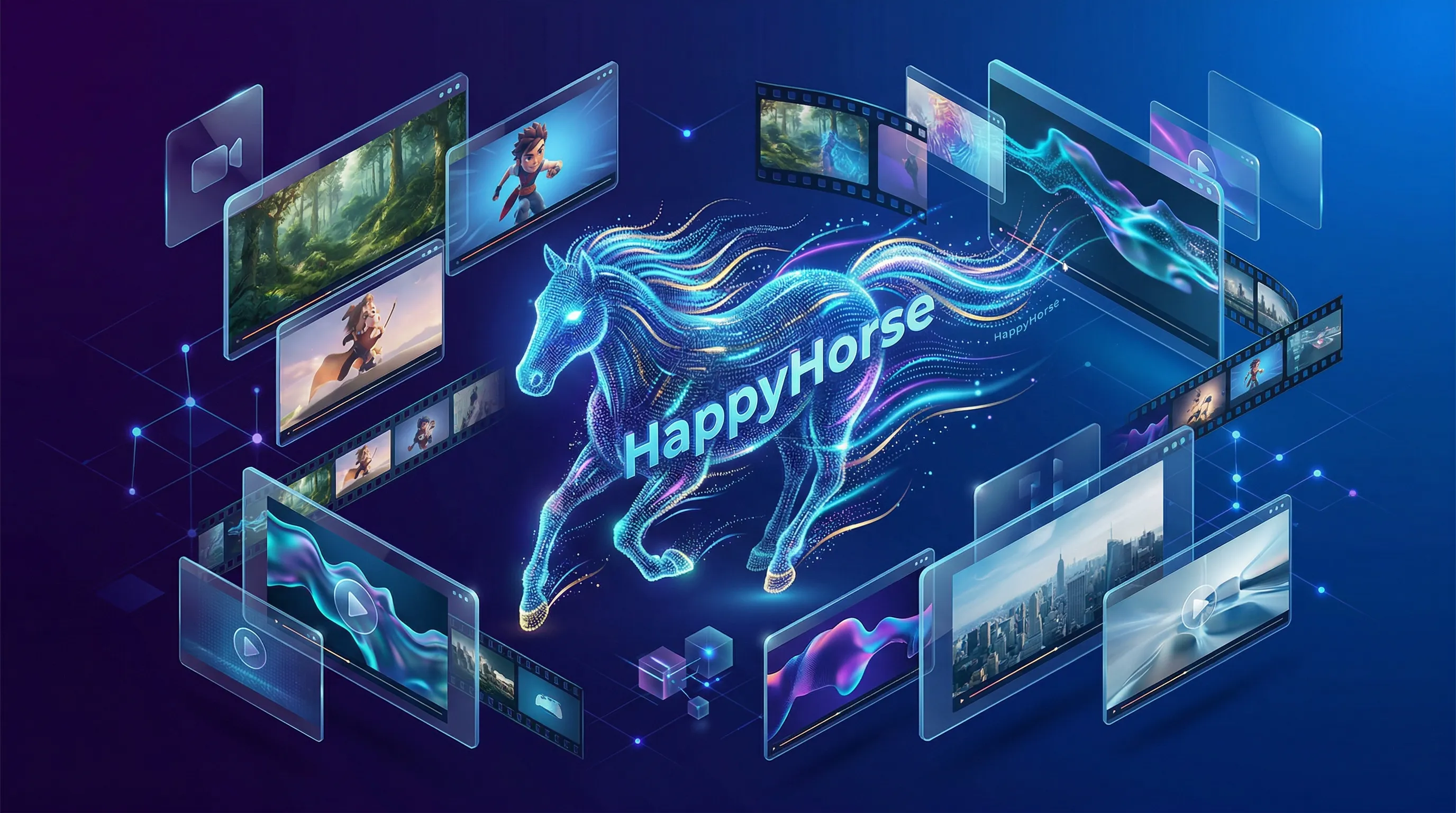
HappyHorse-1.0 reaches ELO 1357 to top the Artificial Analysis leaderboard, surpassing Runway Gen-4 and Kling 3.0 in text-to-video and image-to-video generation. Deep dive into this open-source AI video generation model's technical advantages and application scenarios.
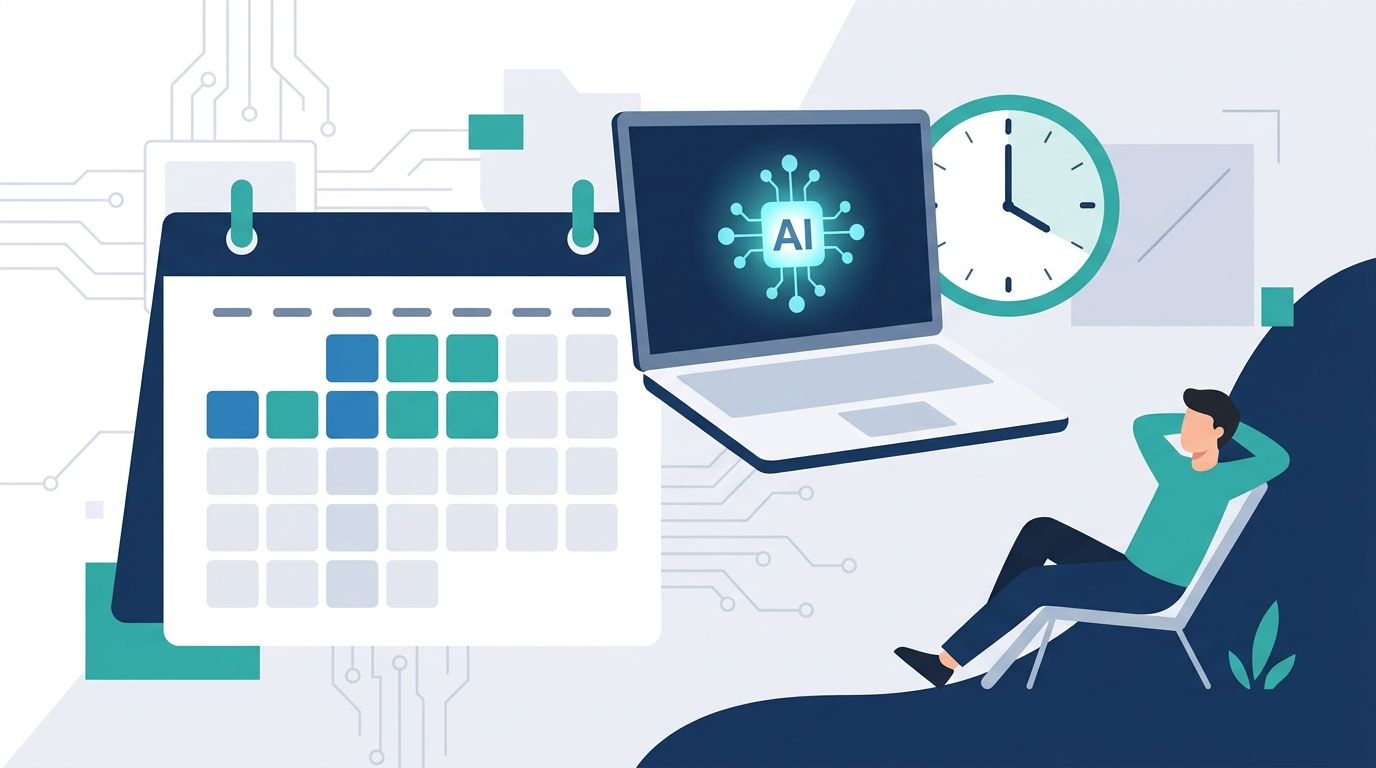
OpenAI releases a white paper proposing a 4-day workweek, robot tax, and public wealth fund. Deep dive into the transformation of work in the AI era and how developers can leverage AI tools to multiply their productivity.
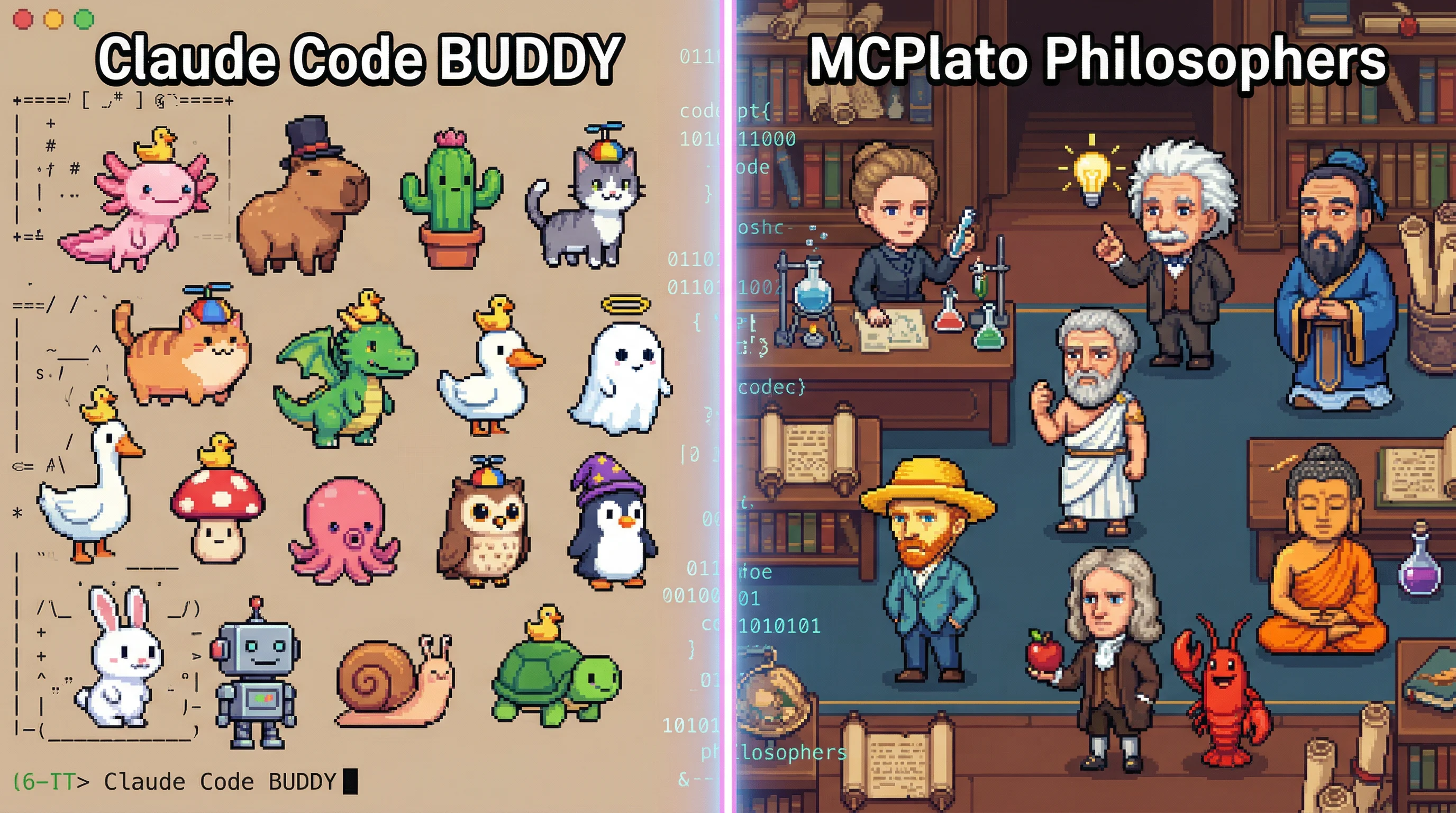
A deep dive into the Claude Code leak revealing the hidden BUDDY virtual pet system, and how it compares to MCPlato's ClawMode philosopher mascots. Which AI companion approach wins developer hearts?
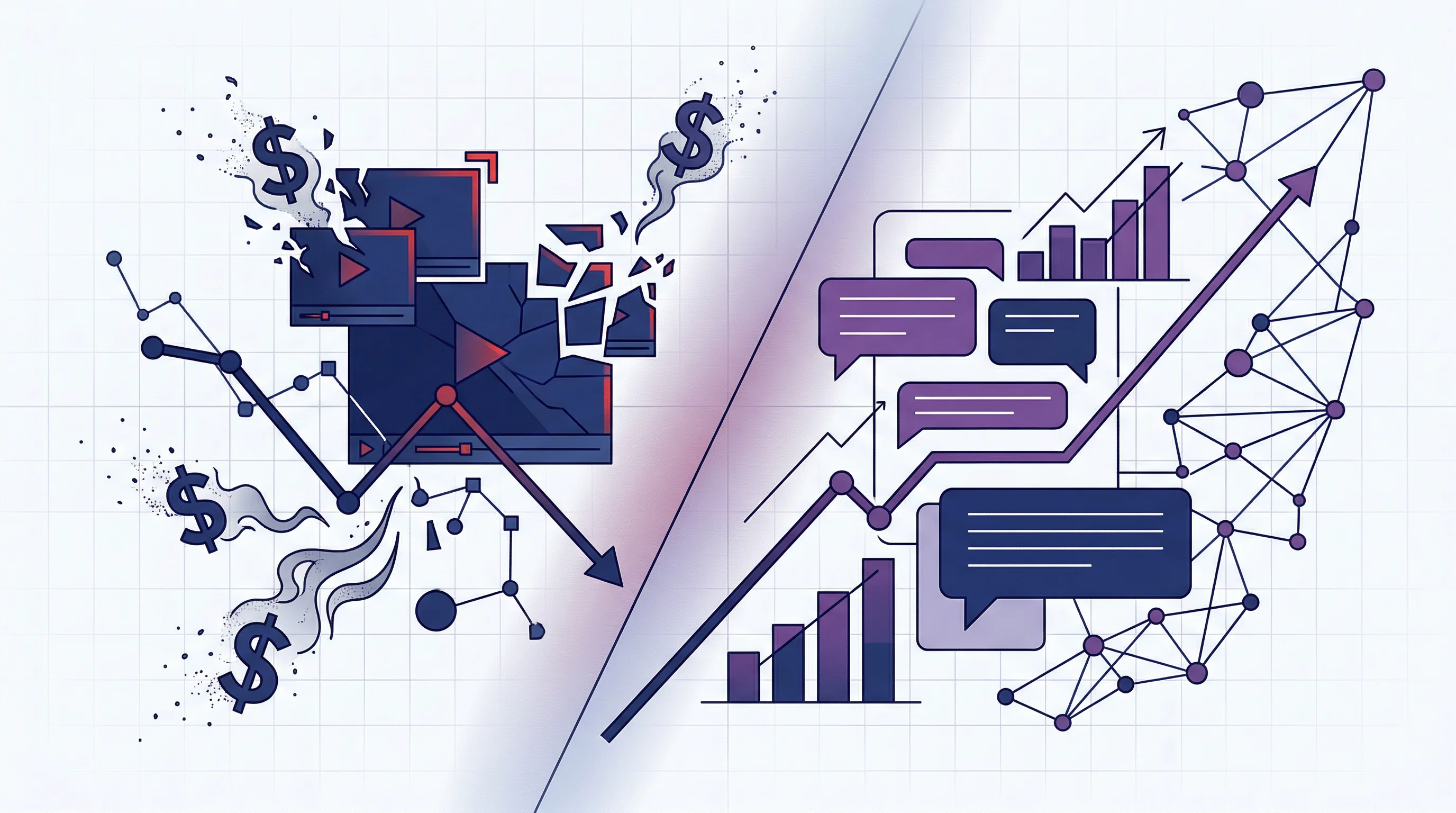
Deep analysis of OpenAI Sora's failure and Claude's rise, exploring the boundary between AI product success and failure, revealing the root causes behind 90% of AI product failures
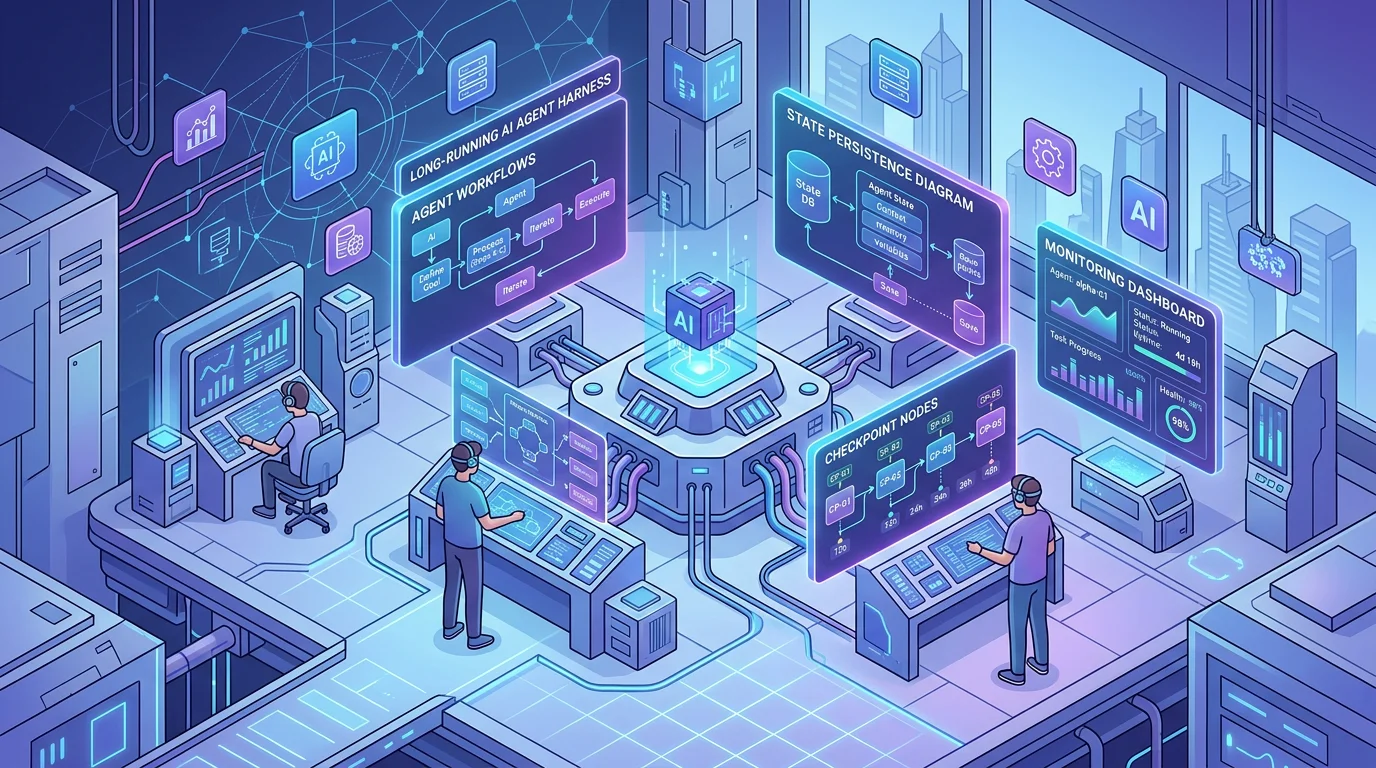
Why 95% of AI Agent projects fail in production—and how state persistence frameworks like LangGraph, Temporal, and MCPlato are solving the long-running agent problem.
In-depth review of Claude Code, OpenClaw, and Continue—three leading AI coding assistants. Analyzing document processing, coding efficiency, data analysis, team collaboration, and enterprise security to help you choose the right AI code assistant.
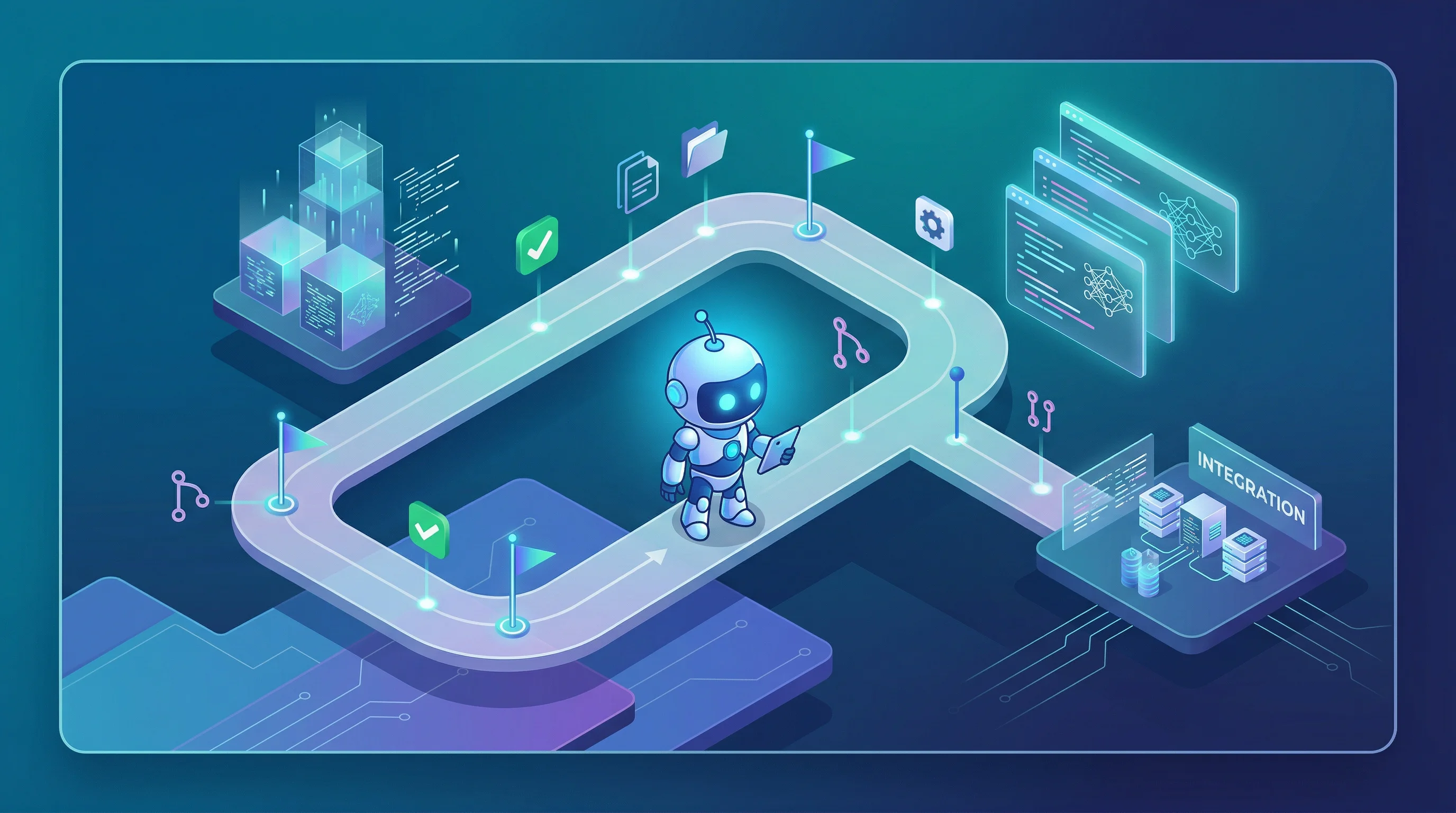
AI fails at long tasks not because it's not smart enough, but because it lacks engineering work methods. Deep dive into the four core mechanisms of Anthropic's Harness framework and how MCPlato implements similar engineering designs.

80% of AI models never reach production, and 40%+ of Agentic AI projects will be canceled by 2027. Discover the 5 critical shifts that separate successful AI Agent implementations from failed experiments.
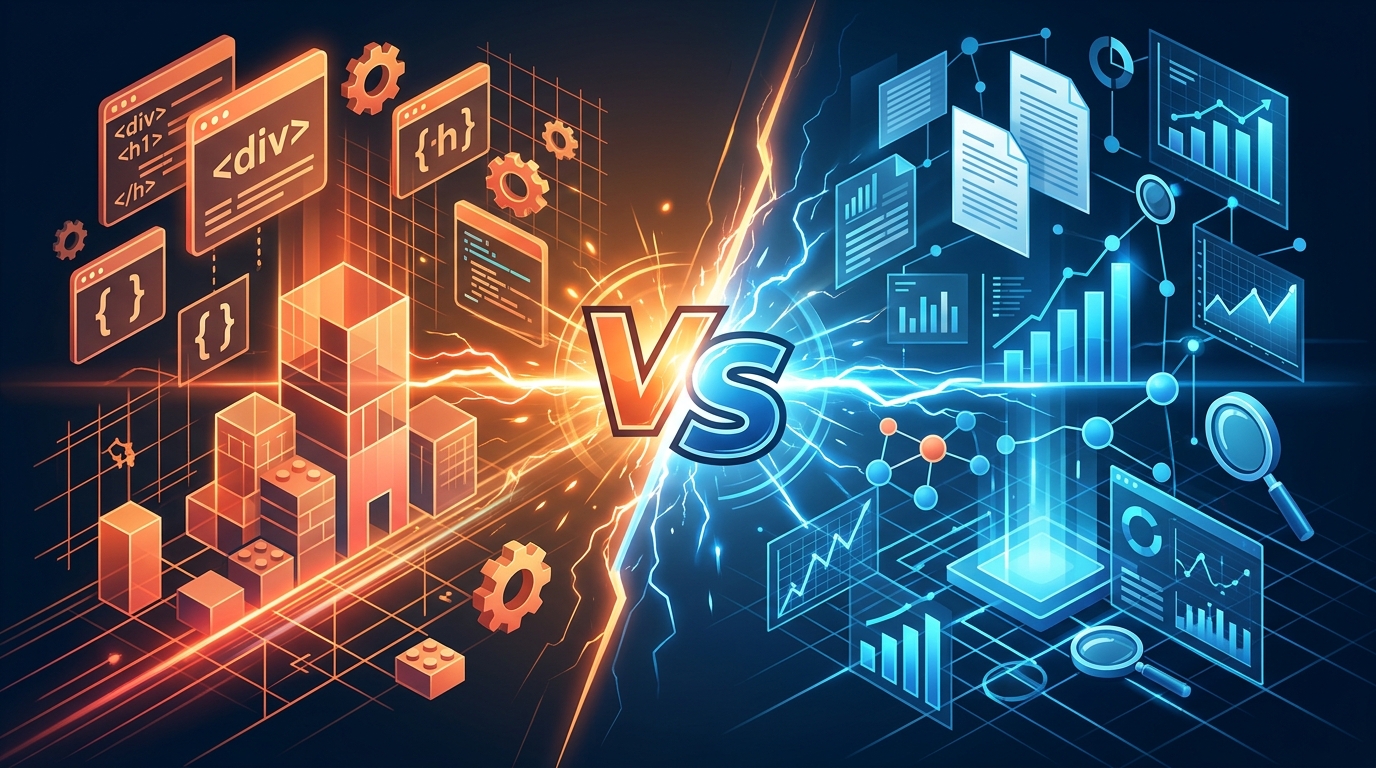
A head-to-head comparison of Manus AI and Skywork AI for Generative Engine Optimization content creation, featuring real benchmarks and use case recommendations
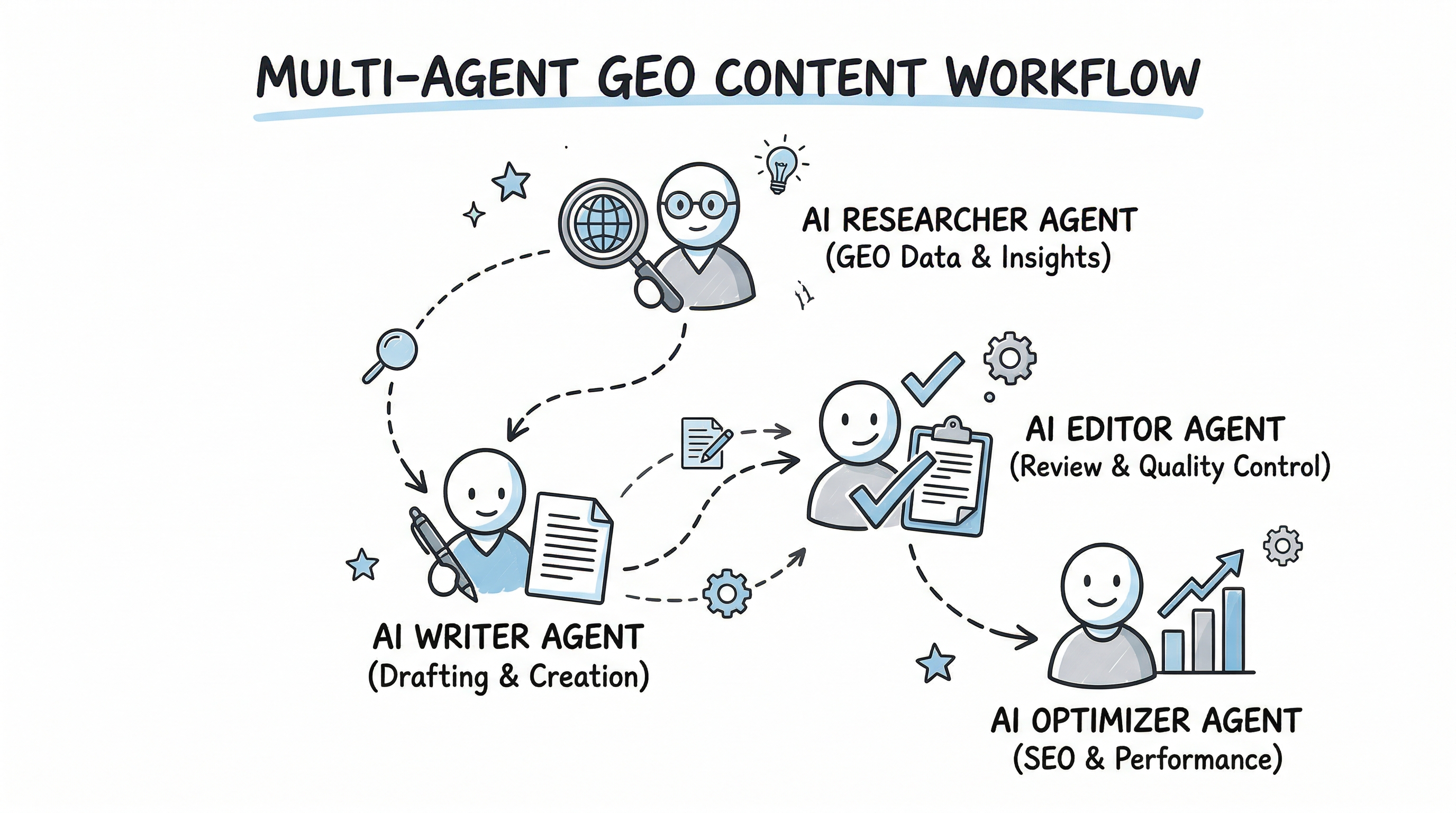
Discover why multi-agent collaboration outperforms single AI tools for Generative Engine Optimization, and how MCPlato streamlines your GEO content workflow
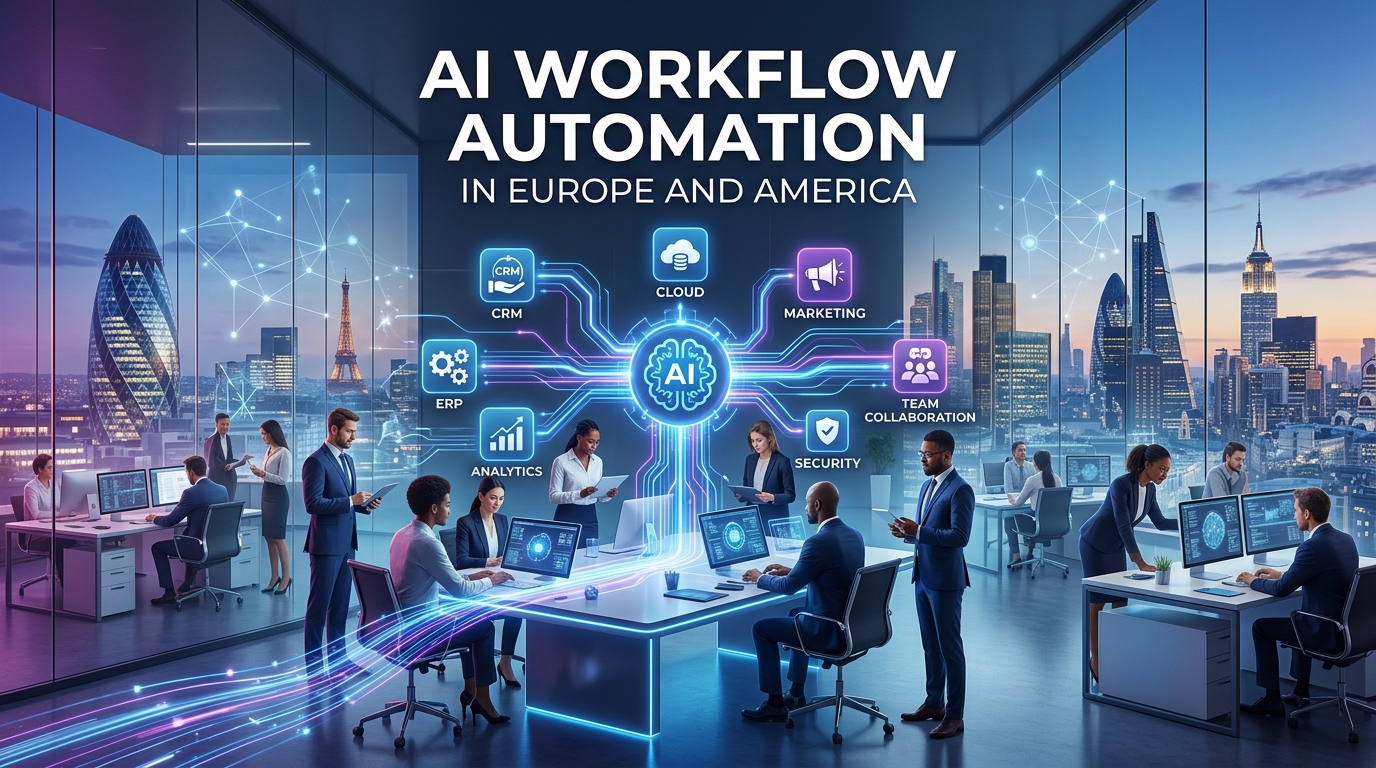
How AI-native workflow platforms are replacing traditional automation tools to solve the SaaS fragmentation crisis facing modern enterprises
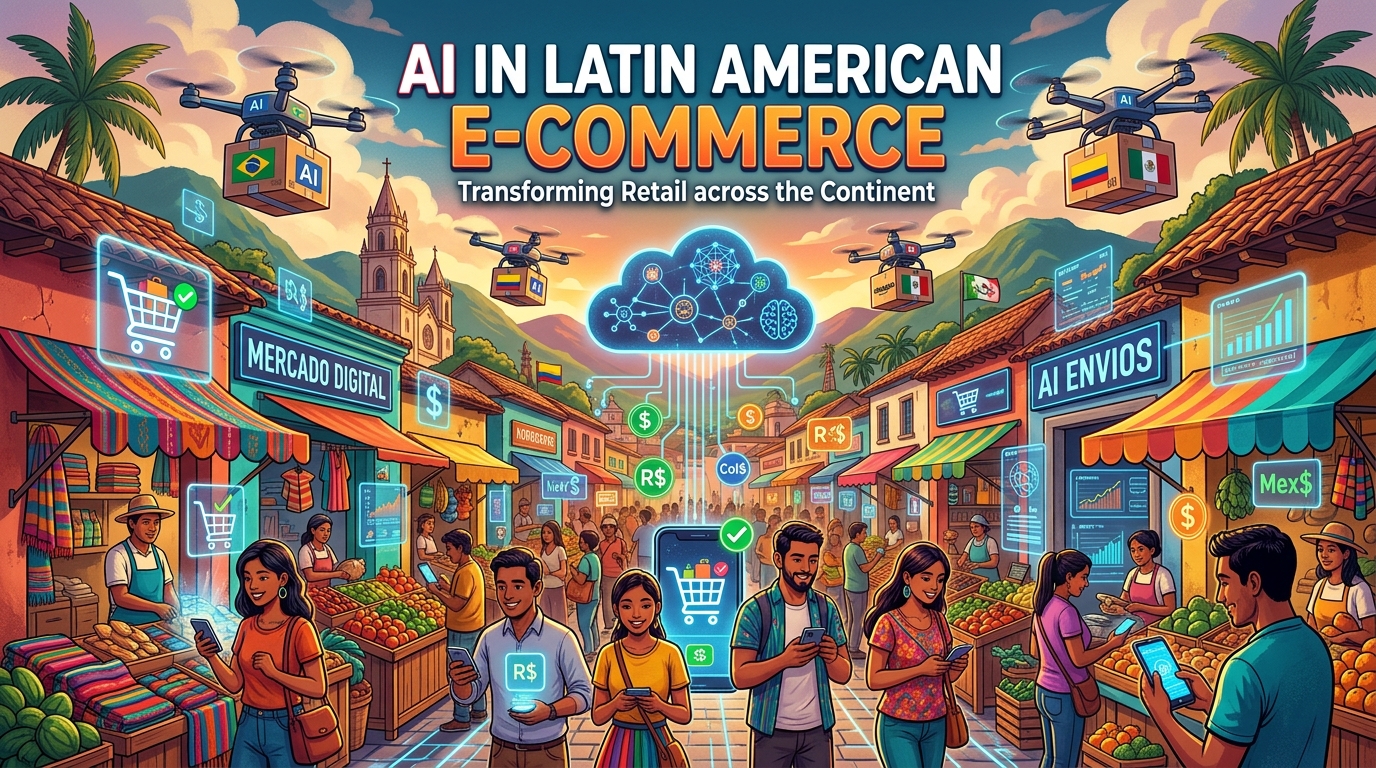
The $700 billion Latin American e-commerce opportunity—and how AI Agents help cross-border sellers automate multi-platform operations, localize content, and scale across Mercado Libre, Shopee, and Amazon
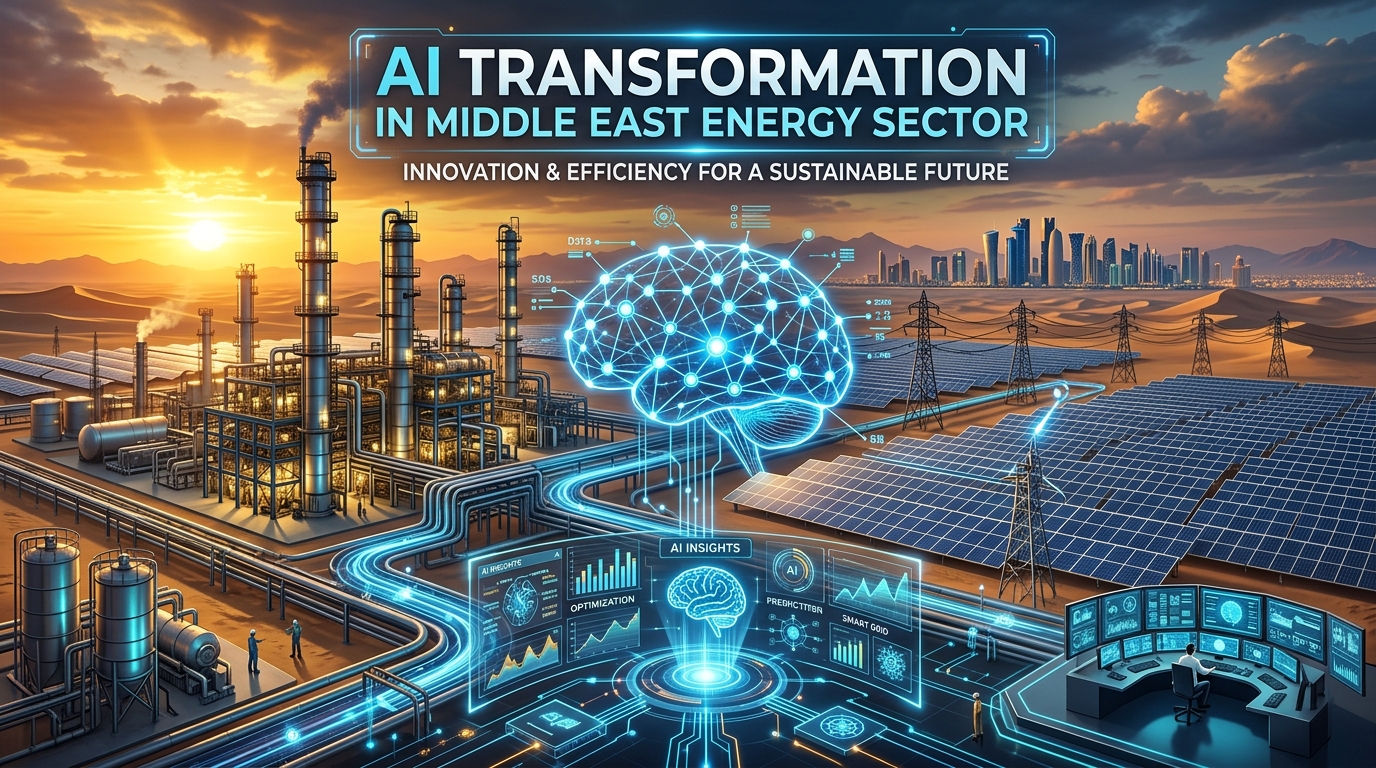
How Vision 2030 is driving AI adoption in Middle East energy sector, and how intelligent document management helps companies navigate complex regulatory compliance
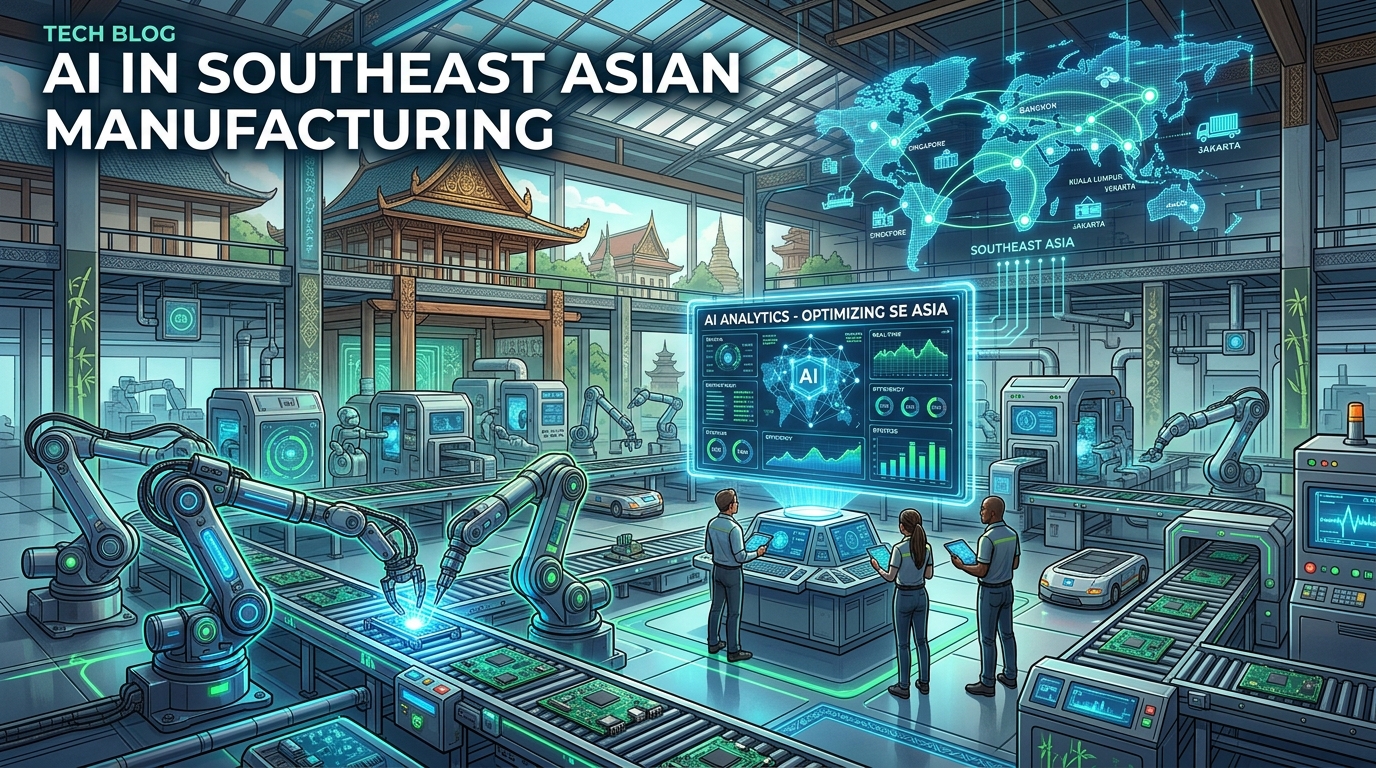
Thailand 4.0 and Industry 4.0 initiatives are transforming ASEAN manufacturing. Learn how AI workflow orchestration breaks down supply chain information silos across Vietnam, Indonesia, and Thailand.
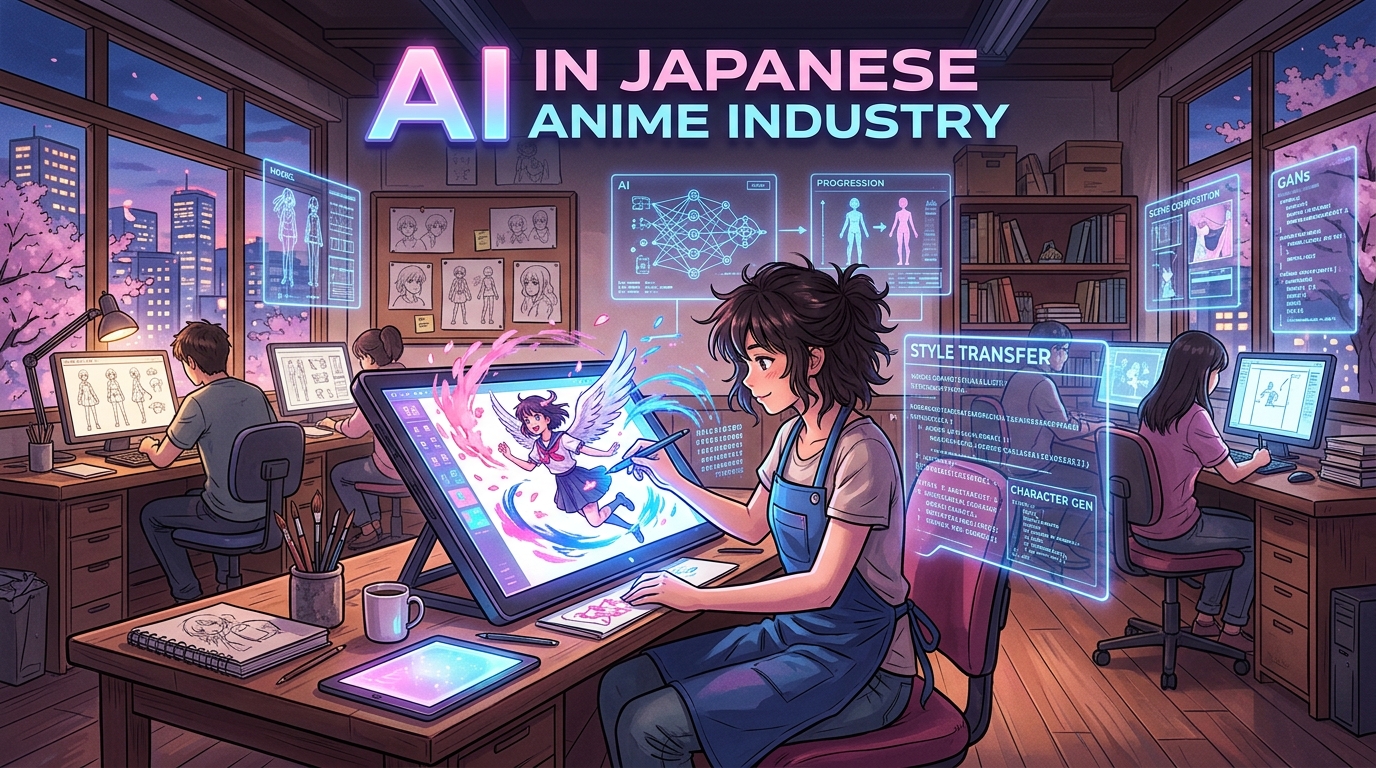
Japan's anime industry faces a critical shortage of 30,000 animators. Discover how AI workflow automation is transforming in-between animation, game localization, and content production workflows.
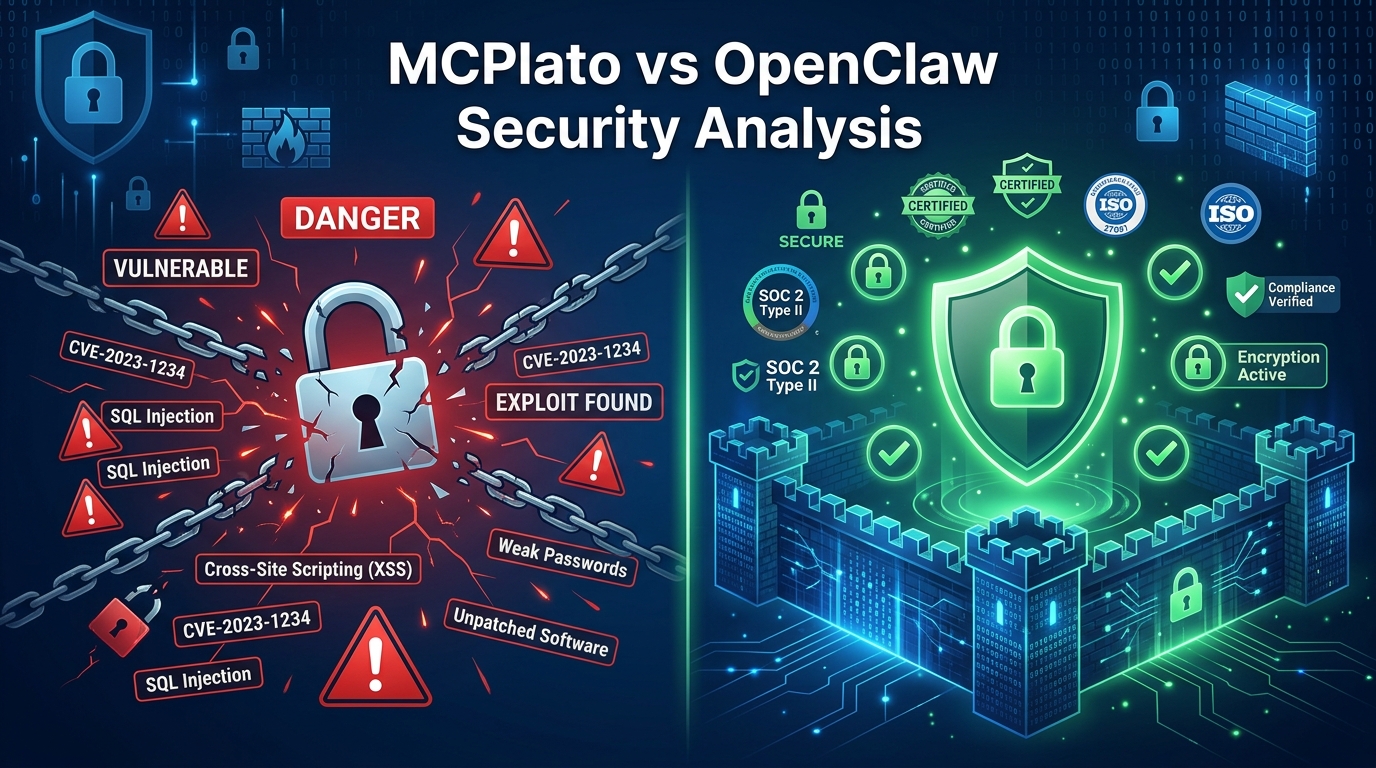
A comprehensive security comparison of two AI Agent platforms, analyzing data privacy, access control, and compliance certifications
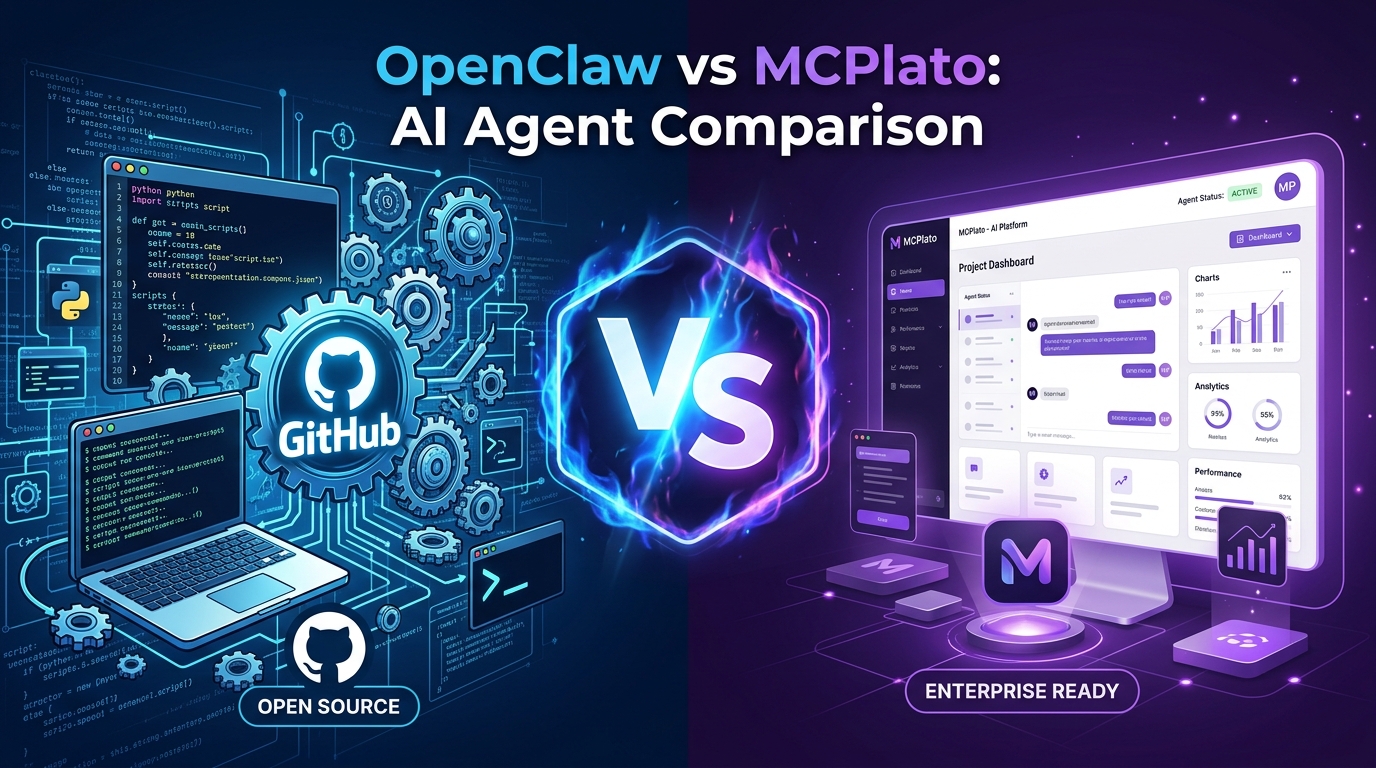
When open-source idealism meets product pragmatism, how should users choose? An in-depth comparison of OpenClaw and MCPlato's architectural differences, user experience, and use cases, with recommendations from a user's perspective.
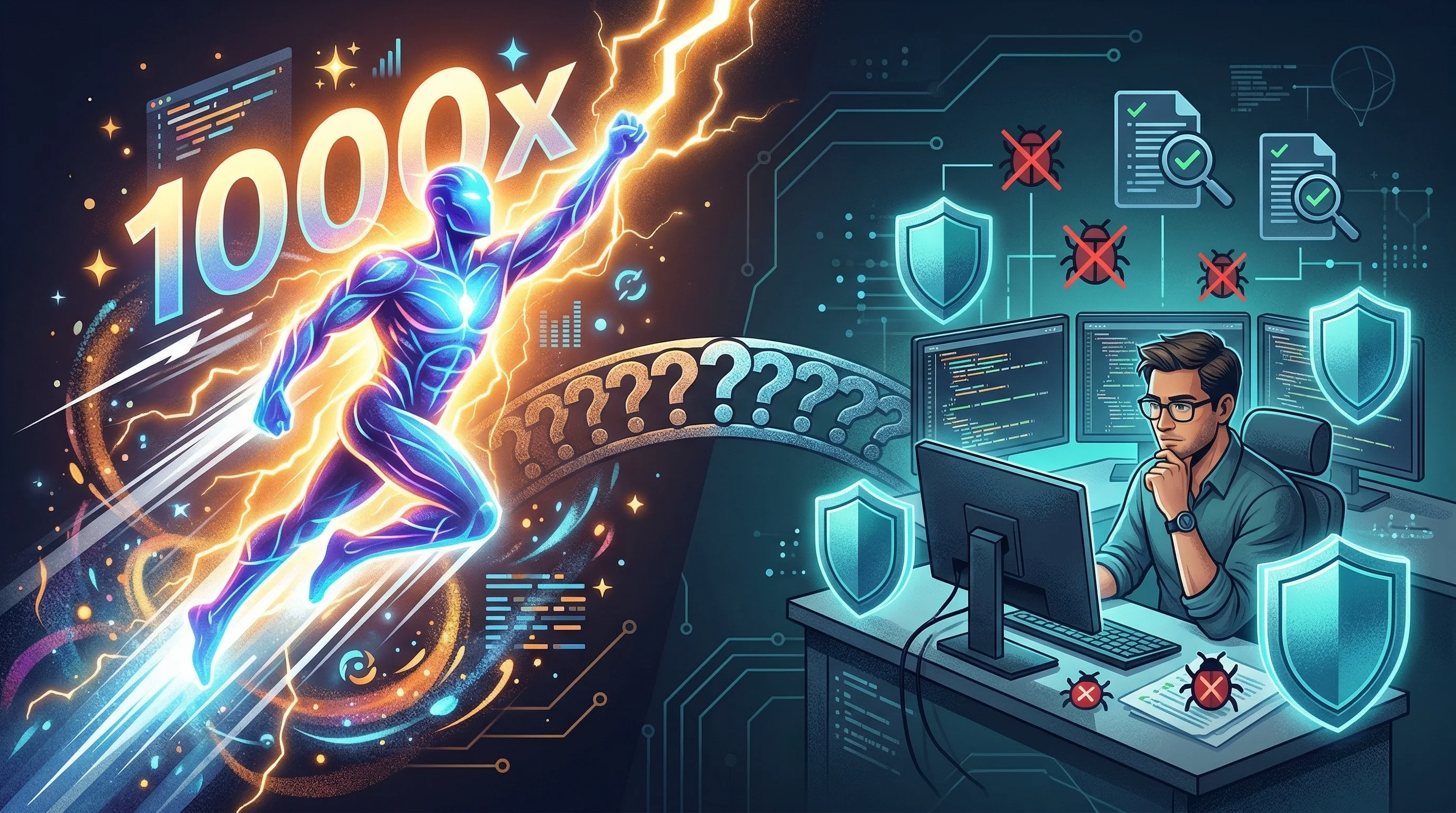
OpenAI's '1000x Engineer' concept has sparked heated debate. This article analyzes the real boundaries of AI Coding Agents: from 70% code generation rates to 45% security vulnerability rates, revealing the hidden costs and technical limitations behind efficiency gains.
Discover how MCPlato uses AI Agent workflows to reduce research report generation from 2-3 days to 2-3 hours, allowing investment analysts to focus on core research capabilities
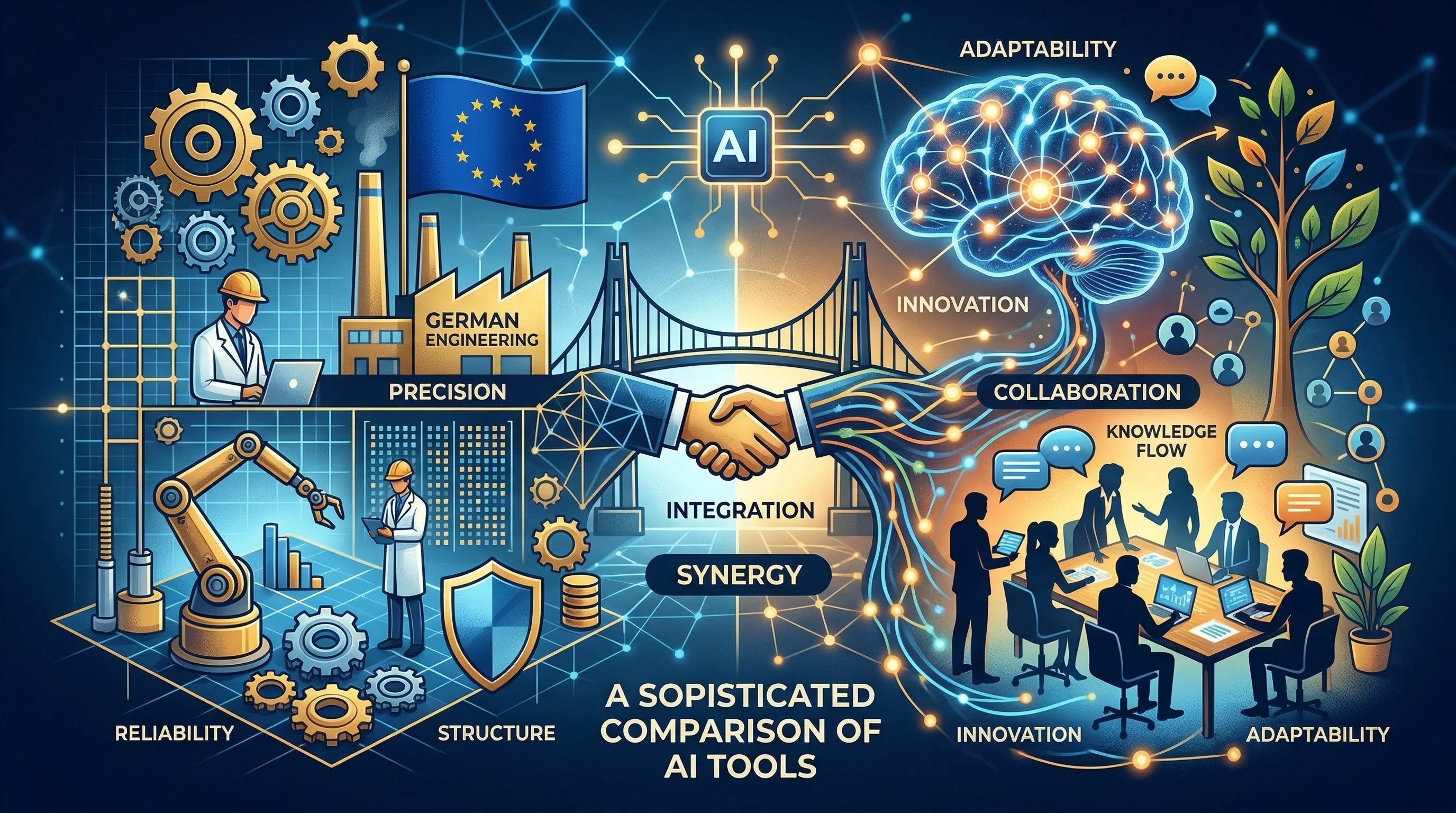
An in-depth comparison of MCPlato with leading German AI Agent tools including n8n, Lurus, Aleph Alpha, Cognigy, and Wandelbots. Explore how enterprises can preserve knowledge, enable team collaboration, and implement best practices for security and privacy protection.
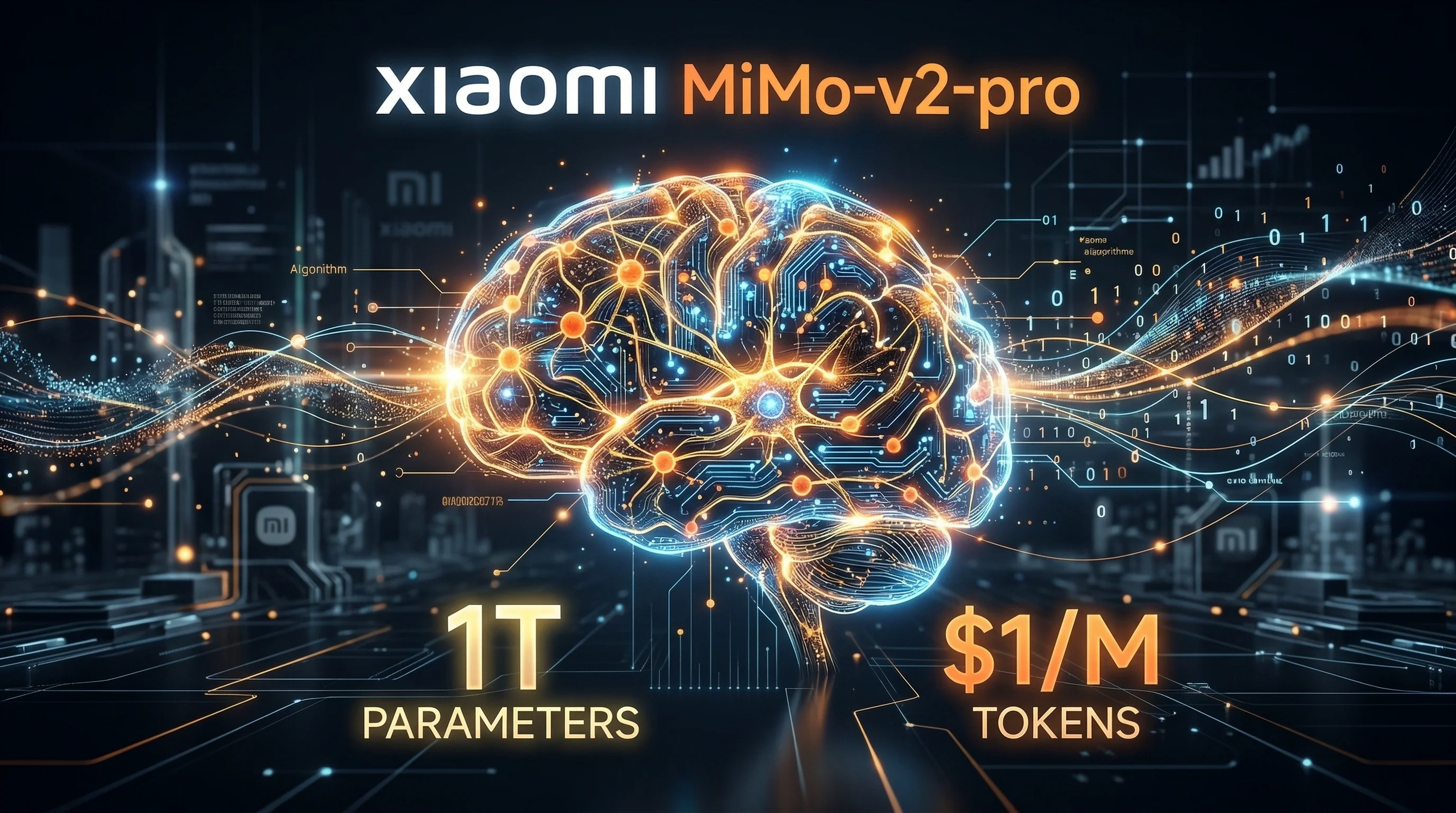
Xiaomi MiMo-v2-pro large model release: 1T parameter scale, 1M context window, Agent-native design, challenging the AI Agent market landscape at $1/M input tokens. In-depth analysis of technical highlights, strategic layout, and industry impact.
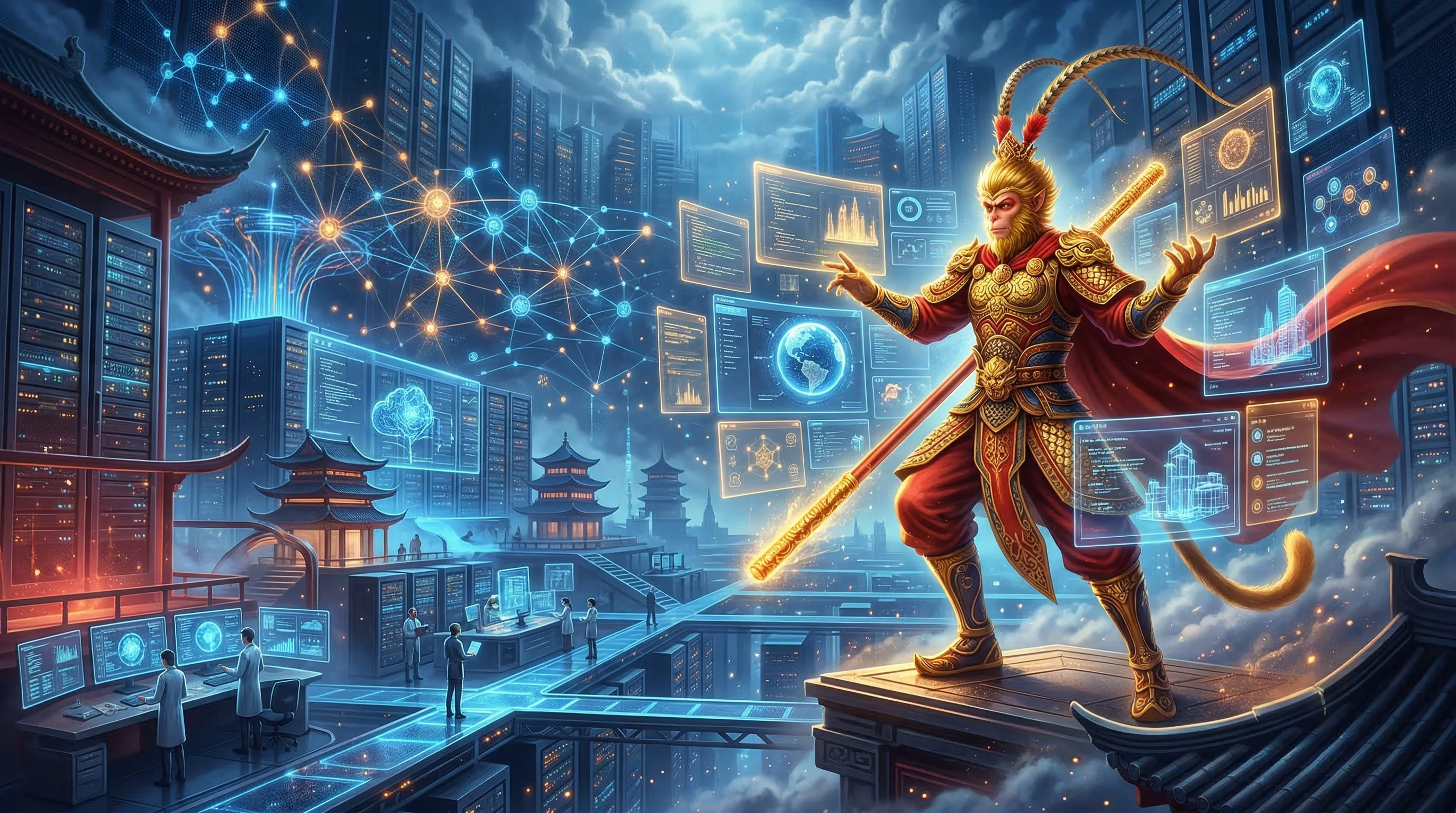
Analysis of Alibaba's Wukong platform launch and its impact on the enterprise AI Agent market, examining differentiation between cloud-native and Local First approaches
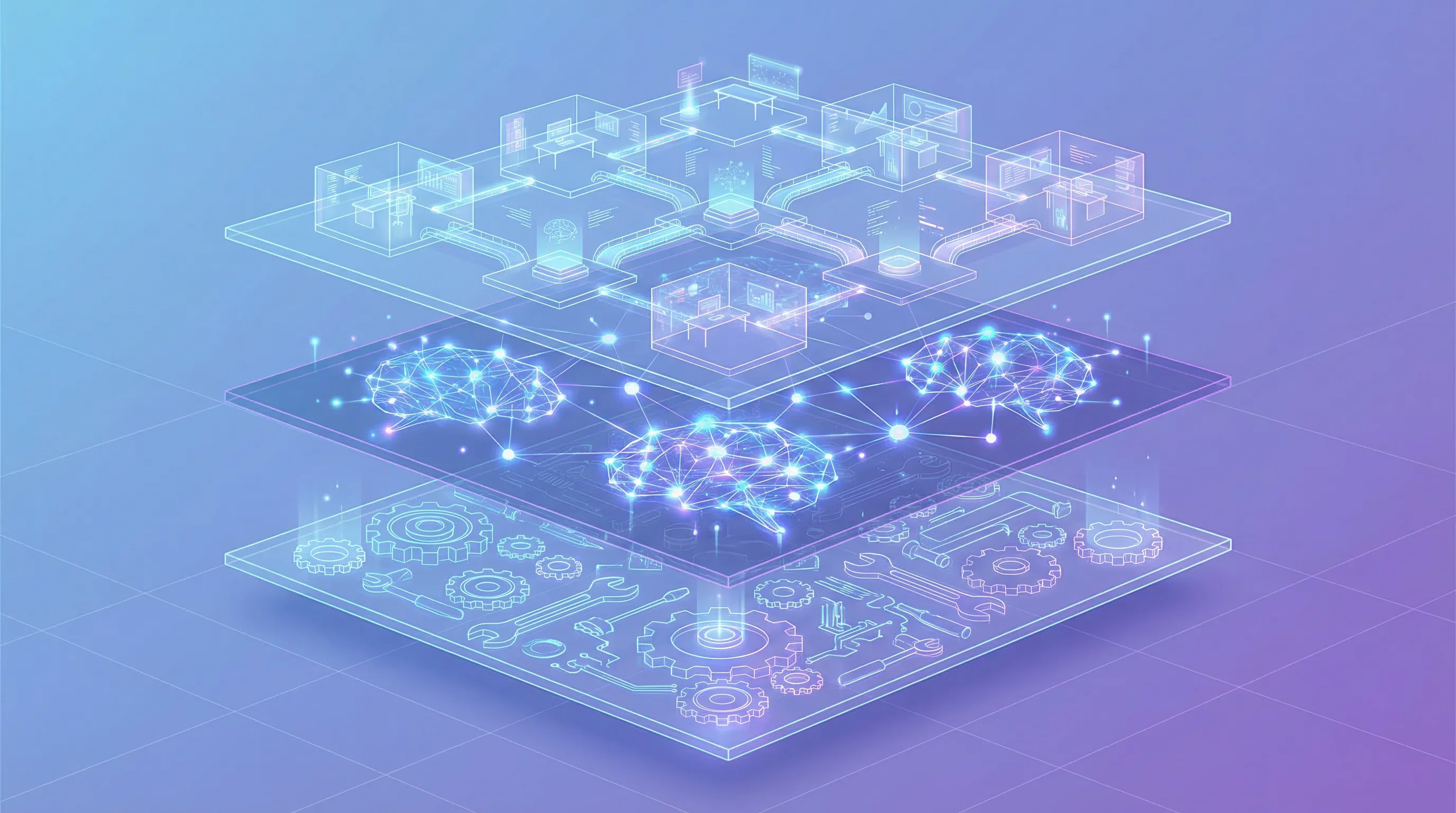
Exploring the relationship between tool layer and agent layer, and how MCPlato implements MCP-native architecture
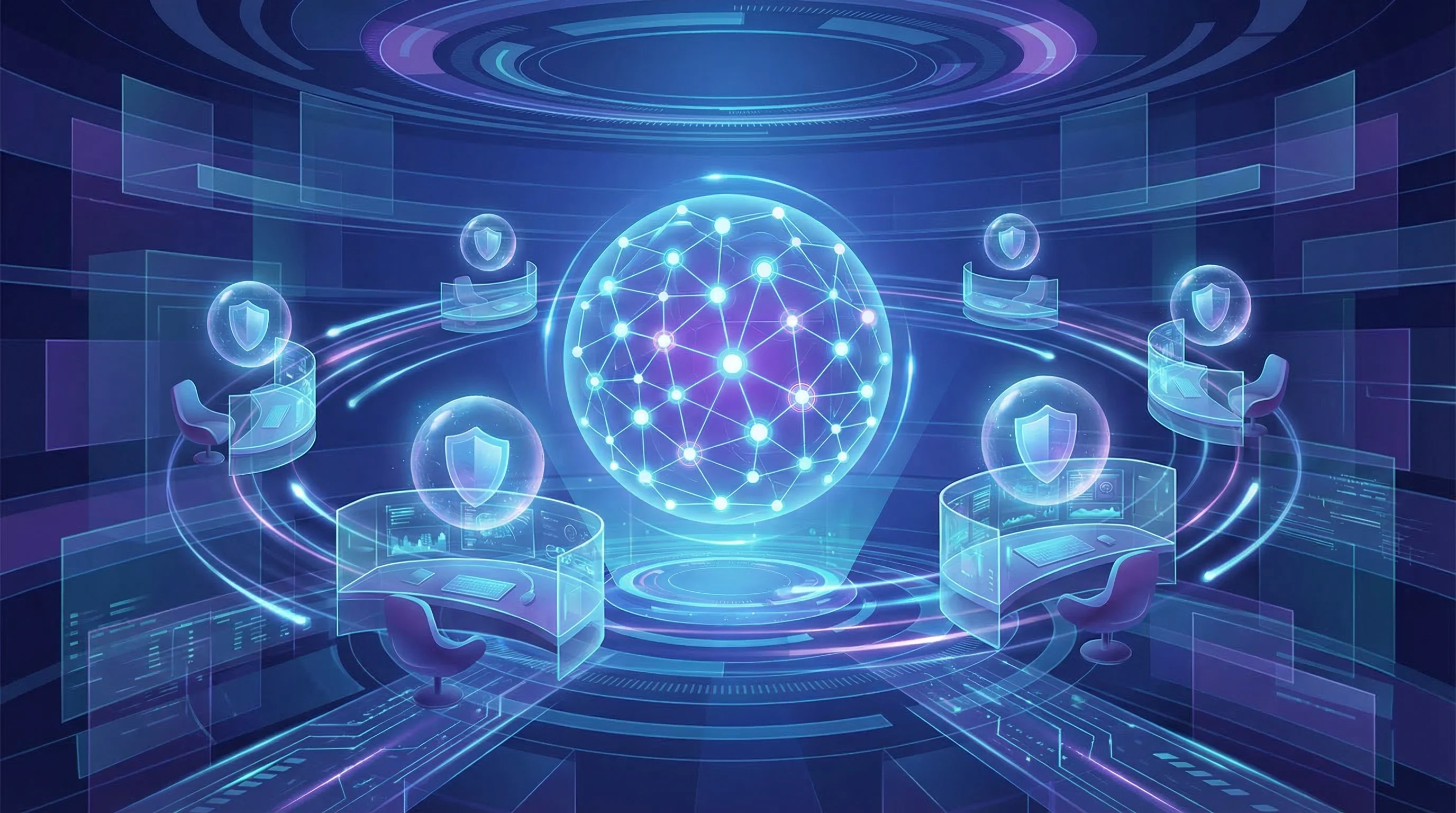
A comprehensive analysis of MCPlato's 10 core capabilities compared to Cowork, EasyClaw, and Claude Code
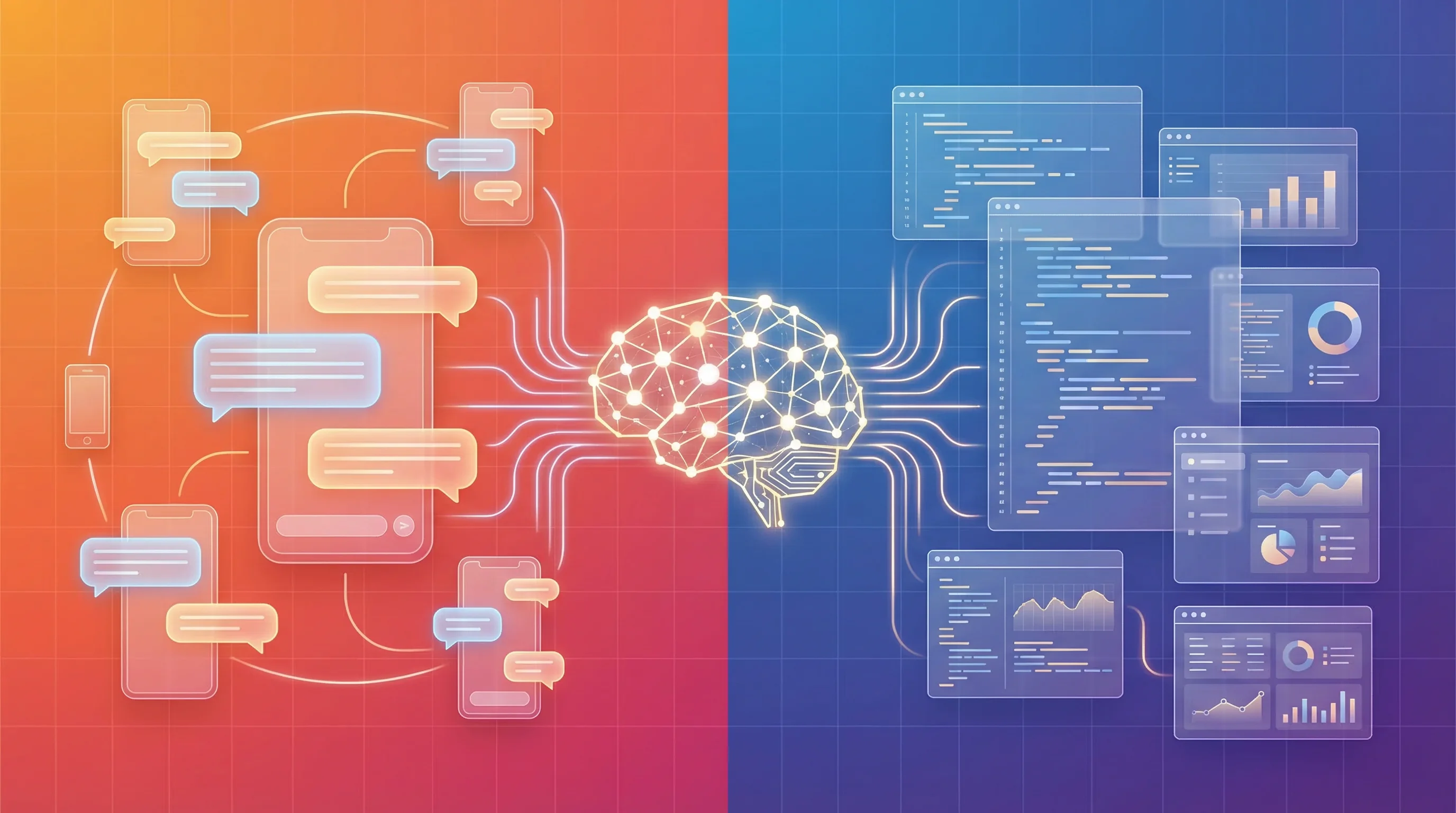
Deep comparison of Tencent's QClaw and MCPlato's AI Native Workspace approach
An in-depth analysis of OpenClaw protocol's security design principles, including end-to-end encryption, local-first data processing, and granular permission controls, ensuring enterprise-level protection of personal data while enjoying AI assistant convenience.
Based on OpenClaw-compatible advanced usage, transform MCPlato Claw Mode into a true second brain, achieving efficient coordination of work and life.
Demonstrating the practical value of Claw Mode through daily life scenarios, showing how OpenClaw-based personal assistants seamlessly integrate into every aspect of daily life.
How Nano Banana 2's token-based pricing destroys the economics of traditional AI image generation—and why cost-per-image is about to approach zero.
Why most AI-generated scenes look 'off'—and how Nano Banana 2's spatial reasoning finally gets lighting, perspective, and object relationships right.
Introducing how to directly connect your OpenClaw-based personal assistant through Telegram Bot and Discord Bot, enjoying intelligent services in familiar chat interfaces.
Stop writing prompts. Start having conversations. How Nano Banana 2's multimodal dialogue transforms image generation from a slot machine into a collaborative design process.
Google's latest image generation model Nano Banana 2 (Gemini 3.1 Flash Image) is here. From native multimodal architecture to character consistency, pricing strategy to real-world applications—a comprehensive analysis of this 'late but strong' image model.
How Nano Banana 2 eliminates the biggest pain point in AI image generation—character consistency—without training, without waiting, without the headache.
Introducing how OpenClaw protocol's asynchronous task mechanism enables true all-day personal assistant service, allowing AI to work while you rest.
An in-depth analysis of the core technology of the OpenClaw protocol—context management, explaining how the three-layer memory architecture enables AI assistants to truly understand user habits.
An introduction to the core concepts and technical architecture of the OpenClaw protocol, explaining how it breaks the closed ecosystem of traditional AI assistants and enables true cross-platform interoperability.
How creators moved from ad-dependent income to diversified revenue streams—and how Seedance 2.0 enables new monetization models through premium video content and the faceless channel business model
Why follower counts became vanity metrics—and how Seedance 2.0 helps creators build genuine loyalty through consistent, high-quality character-driven content, especially for faceless content creators
How creators escaped algorithmic volatility by building owned audiences—and how Seedance 2.0 enables exclusive premium content for private communities.
How creators evolved from solo operators to media companies—and how Seedance 2.0 enables one-person matrix production.
How creators evolved from making content to building product empires—and how Seedance 2.0 enables scalable digital product creation.
A comprehensive review of ByteDance's Seedance 2.0: from image-to-video, keyframe control to multi-shot storytelling, comparing it with Runway Gen-3, Pika 1.5 and other competitors.
Deep dive into Seedance 2.0 prompt writing, keyframe control techniques, and camera parameter settings to help you write high-quality generation prompts.
Build a complete AI advertising production workflow: from creative ideation, pre-visualization, batch generation to post-production refinement, achieving 10x efficiency improvement.
Beauty, consumer electronics, food and beverage, fashion, and home living—practical techniques and generation strategies for Seedance 2.0 advertising across five industries.
Strategic perspective on the long-term impact of AI video on brand marketing: cost structure transformation, personalization at scale, and the evolving role of creatives.
How AI video generation evolved from low-res, artifact-ridden outputs to cinema-grade 2K visuals, and how Seedance 2.0 delivers native resolution without compromises.
How content evolved from flat slideshows to immersive spatial storytelling, and how Seedance 2.0's multimodal input enables true narrative depth.
How content hosts evolved from disembodied voices to consistent AI characters, solving the faceless channel connection problem through Seedance 2.0's Character Consistency technology
How AI video evolved from disconnected clips to coherent series production, and how Seedance 2.0 enables true worldbuilding for content creators.
How AI video evolved from single-language production to native multilingual generation, and how Seedance 2.0 enables truly global content creation.
GLM 5 is about to launch. Can Zhipu AI break through under pressure from GPT-5.3 and Claude Opus 4.7? This article analyzes the positioning of Chinese LLMs across intelligence, pricing, and accessibility.
How AI video generation has transformed video production from a 15+ person crew operation to a solo creator workflow, enabling faceless content creators to achieve professional quality without ever being on camera
How AI video generation has collapsed production timelines from 5-8 weeks to hours, enabling real-time marketing and rapid iteration
How AI video generation has eliminated the financial barriers to professional video production, democratizing access for creators, startups, and small businesses
How AI video generation has transformed the core competencies for video creation from technical execution to creative direction through prompt engineering, making faceless content creation possible for everyone
How AI video generation has eliminated the dependency on stock footage libraries, solving the exclusivity, originality, and specificity problems that plagued traditional asset workflows
Explore how AI video generation evolved from isolated single frames to coherent multi-shot sequences, and how Seedance 2.0's Character Consistency and Director Mode enable true storytelling.
Discover how AI video lighting evolved from unpredictable randomness to precise cinematic control, and how Seedance 2.0's physics-aware lighting enables professional-grade day-to-night transformations.
Trace the evolution of AI video generation speed from hours per frame to seconds per clip, and how Seedance 2.0's 29-second generation time enables real-time creative iteration.
Explore the evolution of depth representation in AI video from cardboard cutouts to spatially coherent 3D scenes, and how Seedance 2.0's implicit 3D understanding creates true dimensional storytelling.
Trace the evolution of AI video camera control from jittery chaos to cinematic precision, and how Seedance 2.0's Director Mode enables professional camera language for storytelling.
Trace the evolution of AI video resolution from grainy 480p experiments to Seedance 2.0 native 2K cinema-grade output. Understand why resolution matters more than you think.
The painful history of AI video 4-second limits, the last-frame hack era, and how Seedance 2.0 15-second segments finally enable real storytelling.
How AI video conquered its greatest enemy: frame-to-frame instability. The technical journey from optical flow hacks to Seedance 2.0 native coherence.
AI video finally speaks. The journey from post-processing lip-sync to Seedance 2.0 native co-generation, and why it changes everything about video creation.
The end of the generate and pray era. How Seedance 2.0 Director Mode and Internal Shot List put filmmakers back in control.
Discover how MCPlato can automatically clean up your disk space, find large files, and keep your Mac running smoothly - all with AI assistance.
Meet MCPlato - the AI native office collaboration platform that makes every directory an intelligent workspace.
Learn how MCPlato transforms every folder into an intelligent workspace with persistent AI context.
Configure stdio, HTTP, or SSE MCP servers in MCPlato with workspace-scoped settings, practical JSON examples, security guidance, and troubleshooting steps.