MCPlato vs Manus: Cloud Multi-Agent Breadth vs a Local Personal Agent OS
A June 2026 comparison of Manus and MCPlato: hosted cloud-agent breadth and Wide Research versus a local-first Personal Agent Operating System for personal materials, sessions, permissions, and artifacts.
Answer first: Manus is stronger when the job is broad hosted cloud-agent execution and parallel web research; MCPlato is differentiated when the job is turning a person’s own files, sessions, permissions, tools, and communication surfaces into a local-first Personal Agent Operating System. As of June 2026, the useful question is not “Which one is universally better?” It is “Which operating model fits the job?”
Manus has the clearer public case for cloud general-agent breadth. Its official materials position Manus as an autonomous or general AI agent that works in its own environment, uses the internet, handles files, and executes multi-step tasks.Manus Manus introduction Its docs cover web apps, slides, visualization, multimodal work, browser use, and file outputs.Manus web apps Manus slides Manus data visualization Manus multimodal
MCPlato’s claim is different: many users need an AI Partner that can work with local materials, organize sessions, apply permissions, produce artifacts, and turn repeated work into reusable skills.MCPlato MCPlato ClawMode That makes MCPlato a personal agent operating layer around the user’s own work.
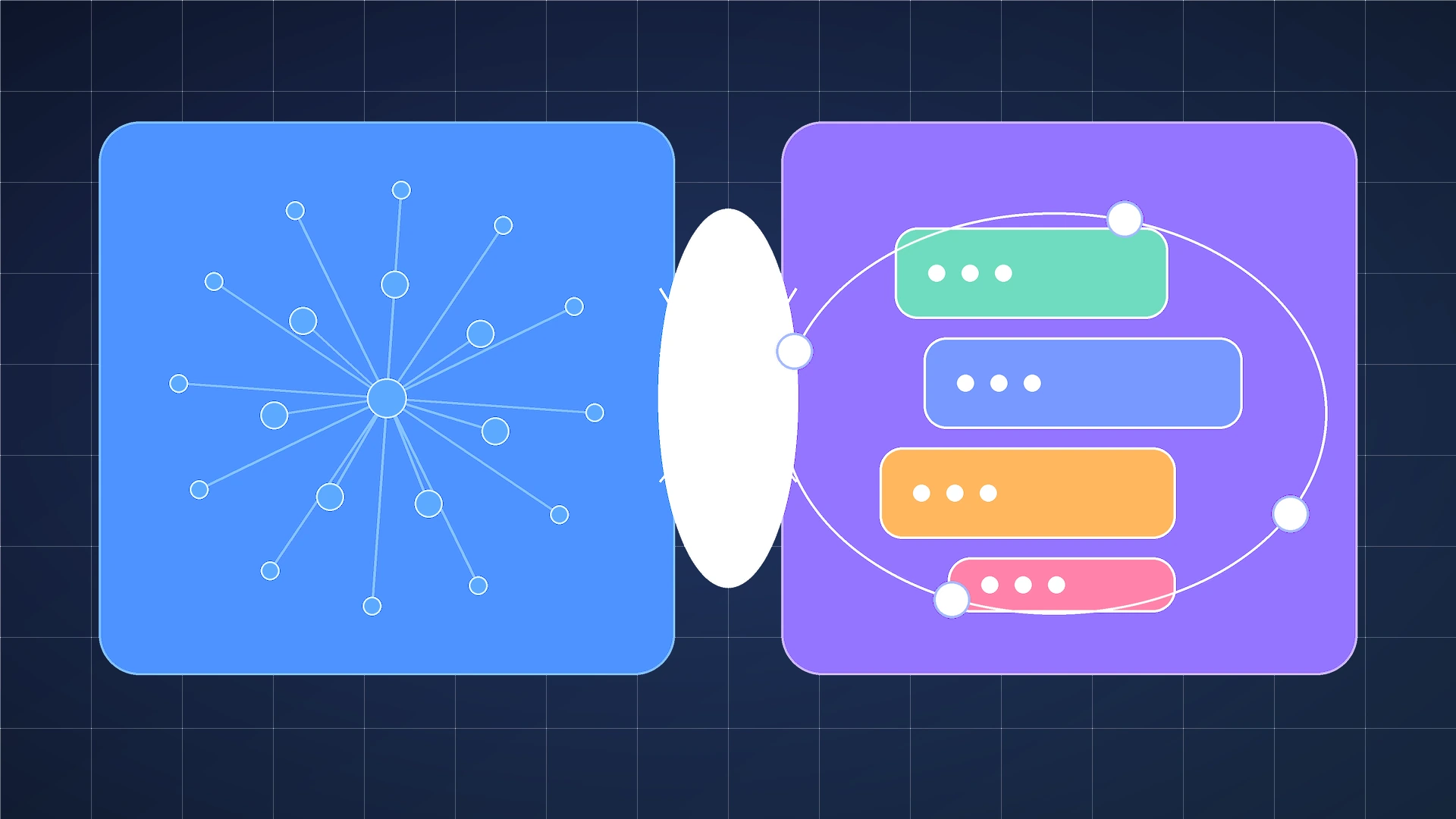 Abstract comparison map showing hosted cloud research breadth on one side and a local personal agent operating system on the other
Figure 1: Manus and MCPlato overlap on agentic work, but they optimize for different work surfaces: hosted cloud-agent breadth versus local personal-agent continuity. No partnership, sponsorship, or endorsement is implied.
Manus in June 2026: hosted cloud-agent breadth
Manus is best understood as a hosted general-agent environment. Its official materials describe an agent that can browse, manipulate files, create outputs, and complete multi-step assignments in its own environment.Manus Manus introduction The strongest Manus use cases are therefore cloud-executed tasks where the user wants the agent to research, build, transform, and deliver.
The breadth is visible across official feature pages: websites and web apps, slides, data visualization, multimodal media, browser use, and file outputs.Manus web apps Manus slides Manus data visualization Manus multimodal Hosted work surfaces include Cloud Browser, Browser Operator or My Browser, Desktop or My Computer, Projects, Collab, scheduled tasks, Slack, Mail, and the Manus API.Cloud Browser Manus Browser Operator Manus Desktop Projects Collab
The key differentiator is Wide Research: Manus describes it as decomposing a large job into many parallel agents and synthesizing the results. Official docs say it has been tested up to 250 items.Wide Research docs Wide Research blog For public-web research, vendor sweeps, list-based analysis, and hosted parallel exploration, Manus has stronger public evidence than MCPlato.
Manus also has more visible enterprise and market signals. Its Team page presents SOC 2 compliance, no model training on customer data, SSO, internal access control, shared credits, usage analytics, and shared templates.Manus Team The Slack page says data is encrypted in transit and at rest and repeats the no-training claim.Manus Slack Help articles describe SSO through WorkOS, Team Owner and Super Admin roles, and a $150 plus tax flat fee below 30 seats with free SSO for 30+ seats.SSO pricing SSO enablement
Limits matter. Manus has a Trust Center URL, but detailed contents were not available in reviewed static evidence because the page required JavaScript; buyers should manually verify it.Manus Trust Center Manus’ official site says it is “part of Meta,” while AP and Appfigures provide reported third-party context around purchase, acquisition, app, and download analysis.AP report Appfigures analysis Treat those reports as market context, not product capability proof.
MCPlato’s thesis: the local Personal Agent OS
MCPlato starts from a different problem: the user’s work is not only a cloud task. It is a personal operating environment made of files, screenshots, browser sessions, documents, PDFs, spreadsheets, images, messages, approvals, and follow-up. A hosted agent can be powerful, but the user still needs a place where materials, permissions, tools, and outputs stay organized over time.
That is why MCPlato’s public framing is best read as a Personal Agent Operating System. The product emphasizes a desktop AI engine, local-first connected files and tools, workspaces, sessions, artifacts, and an AI Partner/Sprite rather than a disposable chat window.MCPlato This does not mean MCPlato has every hosted general-agent capability Manus has. It means the work lives close to the person’s materials, approvals, and deliverables.
Several MCPlato patterns matter here. Parallel Tabs and Multi-Workspace organization let workstreams run side by side. Diary, Skills, Distill, MCP tools, and artifacts support continuity and repeatable workflows. ClawMode extends the idea into an IM bridge and always-on operator pattern, where background work can happen under workspace-scoped approvals.MCPlato ClawMode
MCPlato should be described cautiously on enterprise claims. Public pages support local-first materials, permissions, workspace/session organization, tools, artifacts, ClawMode, and points-based pricing with Smart Model Picker or cost-conscious routing as user-visible behavior.MCPlato pricing They do not support claims such as SOC 2, SSO, RBAC, audit logs, BYOK, VPC deployment, or a public brand-assets page. The credible difference is workflow architecture and user control.
Side-by-side comparison
| Dimension | Manus | MCPlato | Practical decision |
|---|---|---|---|
| Primary job-to-be-done | Hosted general-agent execution across web, files, browser, artifacts, and cloud tasks. | Local-first Personal Agent OS for a person’s own files, sessions, tools, permissions, and artifacts. | Manus for broad hosted tasks; MCPlato for personal operating continuity. |
| Work surface | Cloud Browser, Browser Operator, Desktop/My Computer, Projects, Collab, Slack, Mail, scheduled tasks, API. | Desktop AI Engine, local connected materials, workspaces, sessions, ClawMode, artifacts, MCP tools. | Manus has broader hosted surfaces; MCPlato is closer to the user’s workspace. |
| Agent operating model | Strong public evidence for autonomous cloud execution and Wide Research parallel agents. | Parallel sessions/tabs, workspace-scoped approvals, reusable skills, and artifact-centered work. | Manus leads in cloud parallel research; MCPlato leads in personal orchestration. |
| Artifact discipline | Websites, slides, data visualizations, multimodal/media outputs, files, and deployed web artifacts. | Reports, files, diagrams, images, spreadsheets, local artifacts, skills, and durable deliverables. | Manus for hosted breadth; MCPlato for local artifact continuity. |
| Local-first / data control | Hosted cloud model with enterprise claims around no training on customer data and SOC 2 on Team page. | Local-first connected materials and explicit execution boundaries are core to the user experience. | MCPlato has the stronger local-first posture; Manus has stronger public enterprise claims. |
| Security / governance | SOC 2, SSO, internal access control, usage analytics, shared credits, shared templates, Slack encryption claims. | Permissions, workspace/session organization, local materials, and approvals; no verified public SOC 2/SSO claims. | Manus leads on public governance proof; MCPlato differs on user-level control. |
| Extensibility / workflows | Projects, Collab, scheduled tasks, Slack, Mail, API, hosted browser and desktop surfaces. | Skills, Distill, MCP tools, parallel sessions, ClawMode, artifacts, background work. | Manus for hosted integrations; MCPlato for reusable personal workflows. |
| Multimodal / all-modal capability | Strong public feature pages for multimodal/media, slides, visualizations, browser, files, and web apps. | All-modal desktop workflow around documents, images, PDFs, spreadsheets, browser, code, and tools. | Manus has stronger public breadth; MCPlato keeps modes tied to local context. |
| Cost and routing discipline | Credit-based membership; active processing consumes credits; monthly credits do not roll over. | Points-based pricing and Smart Model Picker / cost discipline as user-visible behavior. | Compare actual workload mix, concurrency, and artifact cost. |
| Market / ecosystem lead | Higher visibility, official “part of Meta” wording, Team page, help center, API docs, and media coverage. | Earlier as a Personal Agent OS category, with less public enterprise proof. | Manus leads on market visibility; MCPlato is differentiated by category thesis. |
Enterprise and security decision lens
For enterprise buyers, Manus is easier to evaluate as a conventional hosted vendor today. It has public pages for Team, Slack, SSO, API, projects, collaboration, and scheduled tasks.Manus Team Manus Slack Manus API The visible governance story includes SOC 2 compliance, no model training on customer data, Slack encryption, internal access control, usage analytics, shared credits, granular sharing controls, and shared slide templates. Buyers should still verify contracts, data-processing terms, and trust-center evidence directly.
MCPlato’s enterprise lens is different. It should not be sold as having more public certifications than Manus. Its argument is operational: teams often need to coordinate AI work around local files, approvals, reusable workflows, visible artifacts, and communication surfaces. If a team wants to reduce uncontrolled copy-paste into random chats, a local-first Personal Agent OS can be attractive without the same public enterprise checklist.
A practical rule: choose Manus when the evaluation requires a hosted general agent with a clearer public security page, team controls, and cloud execution surfaces. Choose MCPlato when the primary risk is fragmented work: materials scattered across files, approvals outside the agent, outputs lost in chat, and no durable reusable process.
Cost and long-horizon task analysis
Manus pricing is credit-based. Reviewed help-center facts list Free at $0/month with 300 daily refresh credits, one concurrent task, two scheduled tasks, Chat Mode, and Manus 1.6 Lite in Agent Mode. Pro tier 1 starts at $20/month with 4,000 monthly credits, 20 concurrent tasks, 20 scheduled tasks, Manus 1.6 Max / 1.6 / 1.6 Lite, Advanced Research, Professional Website Deployment, Slide Generation, Wide Research, and beta early access. Pro tier 2 starts at $40/month, has a 7-day free trial, starts at 8,000 monthly credits, and carries similar Pro features.Manus membership pricing
The dynamic official pricing page showed a $200/month plan with 40,000 monthly credits and “Free Cloud Computer” during research; re-verify it before publication because dynamic pages can change.Manus pricing The help center describes Team as starting at $20 per seat/month, adding Pro features plus SSO, Data Training Opt-Out, Usage Analytics, Internal Access Control, and Shared Slide Templates. Annual billing saves 17%. Credits are consumed by LLM tokens, VMs, third-party APIs, and active processing; technical-failure tasks are refunded; monthly credits do not roll over.Manus credit rules
MCPlato’s pricing comparison should stay more general unless the buyer checks the live page. Public MCPlato pricing supports points-based usage and the user-visible idea of Smart Model Picker / cost-conscious routing.MCPlato pricing The strategic point is long-horizon discipline: research, OCR, spreadsheet cleanup, image generation, final writing, and stakeholder communication should be separable workstreams with separable costs.
API pricing is another place to avoid guessing. Manus has public API documentation and integration docs, but API pricing was unavailable from the reviewed API docs.Manus API Manus API integration Do not infer a rate card from membership pricing.
Workflow scenario: when to use Manus, MCPlato, or both
Imagine a product strategy team evaluating 80 competitors and turning the findings into launch assets.
Use Manus first when the job is broad public research. Wide Research decomposes a large research job into many parallel agents, then synthesizes the result.Wide Research docs Manus can also create slides, web artifacts, visualizations, and multimodal outputs from hosted execution surfaces. If the work is mostly “go out to the web, gather a broad map, and return structured outputs,” Manus is the stronger first tool.
Use MCPlato first when the job begins inside the user’s own workspace. If the team already has internal PDFs, interview notes, screenshots, spreadsheets, design drafts, approval rules, and previous decisions, MCPlato’s local-first operating layer is the better center. It can keep work split into sessions, preserve artifacts, apply skills, and coordinate follow-up under explicit approvals.
Use both when the best workflow combines breadth and continuity. Manus can run hosted cloud research and generate initial artifacts. MCPlato can bring those findings back into local materials, compare them with private context, coordinate review sessions, prepare final deliverables, and schedule follow-up. That is not a partnership claim; it is a portfolio pattern.
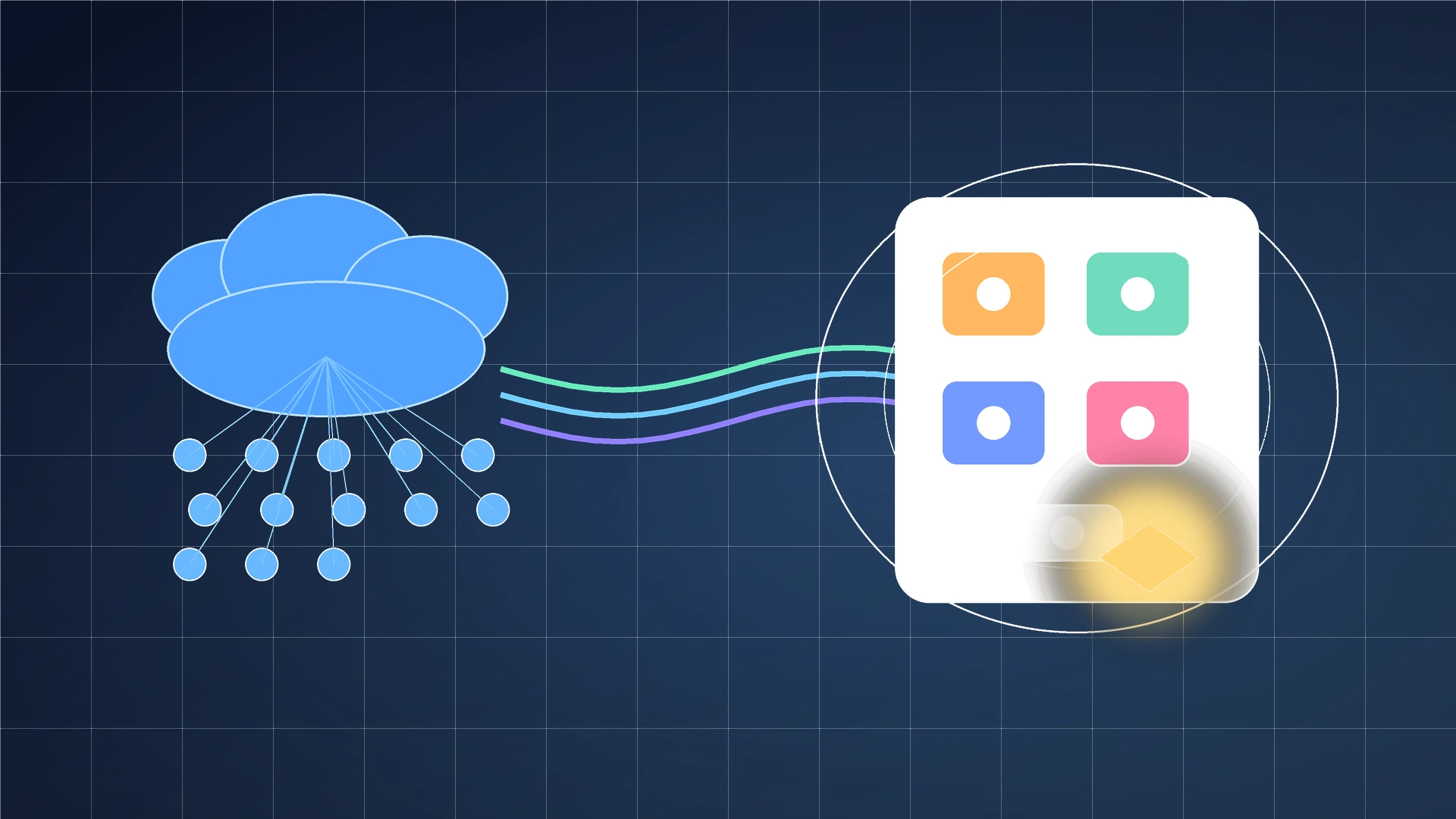 Abstract workflow showing cloud research agents feeding into a local personal workbench with files, approvals, tools, and final artifacts
Figure 2: A combined operating model can use Manus for hosted cloud breadth and MCPlato for local materials, approvals, reusable skills, and final artifacts. No partnership, sponsorship, or endorsement is implied.
Where Manus clearly wins
Manus clearly wins in cloud general-agent breadth. Its official feature surface is wider than MCPlato’s public evidence for hosted work: web apps, slides, data visualization, multimodal/media, Cloud Browser, Browser Operator, Desktop/My Computer, Projects, Collab, scheduled tasks, Slack, Mail, and API.
Manus also clearly wins in Wide Research and parallel public-web research. The official claim that Wide Research has been tested up to 250 items gives buyers a concrete signal for large list-based research. MCPlato can run parallel sessions, but it should not be framed as replacing Manus’ hosted Wide Research capability.
Manus wins in public enterprise/security claims and market visibility. SOC 2, SSO, no-training claims, internal access control, usage analytics, shared credits, Slack encryption, and “part of Meta” visibility make Manus easier to present in procurement conversations.
Where MCPlato clearly wins
MCPlato wins when the core problem is personal operating continuity. If the work depends on a person’s own files, sessions, permissions, tools, and communication surfaces, the local-first Personal Agent OS model is the sharper frame. The output is not just a cloud task result; it is a durable artifact in a continuing workspace.
MCPlato also wins when the job requires observable work across local materials. A multi-day deliverable may need sessions for source review, writing, images, spreadsheet cleanup, approvals, and final packaging. MCPlato’s workspace/session/artifact discipline fits that pattern better than treating every job as one hosted run.
Finally, MCPlato wins where cost and context discipline matter more than maximum cloud breadth. Smart Model Picker and points-based usage should be described only as user-visible cost-conscious behavior, not as a secret algorithm. Users can think in terms of task risk, modality, and deliverable depth.
FAQ
What is the main difference between MCPlato and Manus?
Manus is a hosted cloud general agent with strong evidence for broad task execution, Wide Research, web artifacts, and team surfaces. MCPlato is a local-first Personal Agent OS for personal files, sessions, tools, permissions, and durable artifacts.
Is Manus better than MCPlato for web research?
Yes, for broad hosted public-web research, Manus has the stronger public case. Wide Research decomposes work into many parallel agents and synthesizes the result, and official docs say it has been tested up to 250 items. MCPlato’s advantage is local personal context and long-running deliverable workflows.
Is MCPlato a Manus alternative?
Only partially. They overlap on agentic execution and artifact creation, but MCPlato should not be positioned as replacing all of Manus’ hosted general-agent, Wide Research, web-app, or cloud-task capabilities. It is a different operating model.
Does Manus support multi-agent research?
Yes. Manus Wide Research is explicitly described as decomposing work into many parallel agents and synthesizing the outputs. That is one of Manus’ clearest advantages in this comparison.
Does MCPlato support local files and personal workspaces?
Yes. MCPlato’s public positioning emphasizes a desktop AI engine, local-first connected files and tools, workspaces, sessions, permissions, artifacts, and reusable skills. That is the foundation of its Personal Agent OS thesis.
Which is better for enterprise governance?
Manus currently has stronger public enterprise/security claims: SOC 2 on the Team page, no model training on customer data, SSO, internal access control, usage analytics, shared credits, and Slack encryption claims. MCPlato’s governance angle is local-first materials, explicit approvals, and workspace/session discipline, not unverified enterprise certifications.
How do Manus and MCPlato pricing compare?
Manus uses credits tied to membership tiers, concurrency, scheduled tasks, and active processing. MCPlato uses points-based pricing and Smart Model Picker / cost-conscious routing as user-visible behavior. Buyers should compare real workloads, concurrency needs, monthly rollover rules, and long-horizon artifact costs rather than only headline monthly prices.
Conclusion
Manus and MCPlato should not be forced into one leaderboard. Manus is stronger for hosted cloud-agent breadth: public web research, Wide Research, web artifacts, slides, visualizations, browser tasks, scheduled execution, team features, and enterprise claims. MCPlato is stronger for local personal-agent continuity: files, workspaces, sessions, approvals, communication surfaces, reusable skills, artifacts, and long-horizon deliverables.
The June 2026 answer is portfolio-shaped. Use Manus when work needs a hosted general agent to fan out across the web. Use MCPlato when work needs to become part of a person’s operating system. Use both when cloud research must become reviewed, local, durable follow-through.
References
- Manus official website
- Manus introduction documentation
- Manus web app feature
- Manus slides documentation
- Manus data visualization documentation
- Manus multimodal documentation
- Manus Wide Research documentation
- Introducing Wide Research
- Manus Cloud Browser documentation
- Manus Browser Operator
- Manus Desktop
- Manus Projects documentation
- Manus Collab documentation
- Manus scheduled tasks documentation
- Manus Slack integration
- Manus Mail feature
- Manus API documentation
- Manus API integration documentation
- Manus Team
- Manus membership pricing help article
- Manus credits consumption rules
- Manus pricing page
- Manus Team SSO pricing help article
- Manus Team SSO enablement help article
- Manus Trust Center
- AP report on Meta and Manus purchase context
- Appfigures analysis of Manus app and acquisition context
- MCPlato official website
- MCPlato ClawMode
- MCPlato pricing
- MCPlato blog