
Codex 可打造市場工具,MCPlato 可營運研究台。
一份面向預測市場研究流程的 Codex vs MCPlato 實用指南,涵蓋週期簡報、市場隱含機率、本地模型複核、決策日誌與 Wands,強調不提供投資建議、不執行交易,並始終保留人工審閱、來源連結和可複盤記錄,以便把價格訊號轉為可追蹤的研究產物。
預測市場研究從外部看起來很簡單:找到一個市場,讀取一個價格,再把它和你的觀點比較。實際工作卻更雜亂。天氣市場可能取決於官方預報更新;宏觀市場可能會圍繞預定發布的資料波動;體育或政策市場可能會對你離開研究台時出現的來源作出反應。你的本地模型可能不同意市場價格,但這種分歧只有在你知道是哪一版資料、哪個來源時間戳,以及哪些假設產生了結果時才有用。
這就是為什麼真正有意思的問題不是「AI 能預測市場嗎?」也不應該是。預測市場價格是市場隱含機率,而不是確定性。價格可以是群體預期的有用訊號,但它不是關於未來的事實,也不是建議。
更好的問題是營運性的:誰來讓研究循環持續運轉?
當任務是打造機械層時,Codex 是自然答案:API 連接器、解析器、notebook、測試、儀表板、資料清理腳本和 pull request 審查。當任務是圍繞這些機械層營運研究台時,MCPlato 是自然答案:定時簡報、本地工作區上下文、ClawMode 投遞、有權限的審閱、決策日誌和 Wands。MCPlato 不是交易機器人,也不提供投資建議。有用的模式是研究生產力,而不是自動化交易執行。
缺失的一層是研究台
嚴肅的預測市場工作流程是一個循環:
- 監控選定市場和外部來源。
- 將價格變動翻譯成市場隱含機率。
- 將該機率與來源變化、本地模型和既有假設比較。
- 發送附有連結和時間戳的短簡報或提醒。
- 詢問人工要審閱、記錄還是忽略什麼。
- 保留決策軌跡。
- 複盤結果並改進工作流程。
Codex 可以協助工程化這個循環中的許多部分。它可以在程式碼倉庫中工作、執行命令、維護程式碼、審查 PR,並自動化週期性專案工作。公開的 Codex 文件也描述了資料/報告工作、瀏覽器和電腦使用介面,以及自動化能力,因此公平的比較不是「Codex 不能做定時任務」或「Codex 只會寫程式碼」。
差異在於產品形態。Codex 在重心是程式碼庫時最強。MCPlato 則被塑造成在本地優先工作區中的 Desktop AI Engine 和 AI 同事:檔案、瀏覽器、文件、定時任務、ClawMode 渠道、權限、Skills/Distill 和 Wands。如果 Codex 是工作流程被工程化的地方,MCPlato 就是工作流程持續運行的地方。
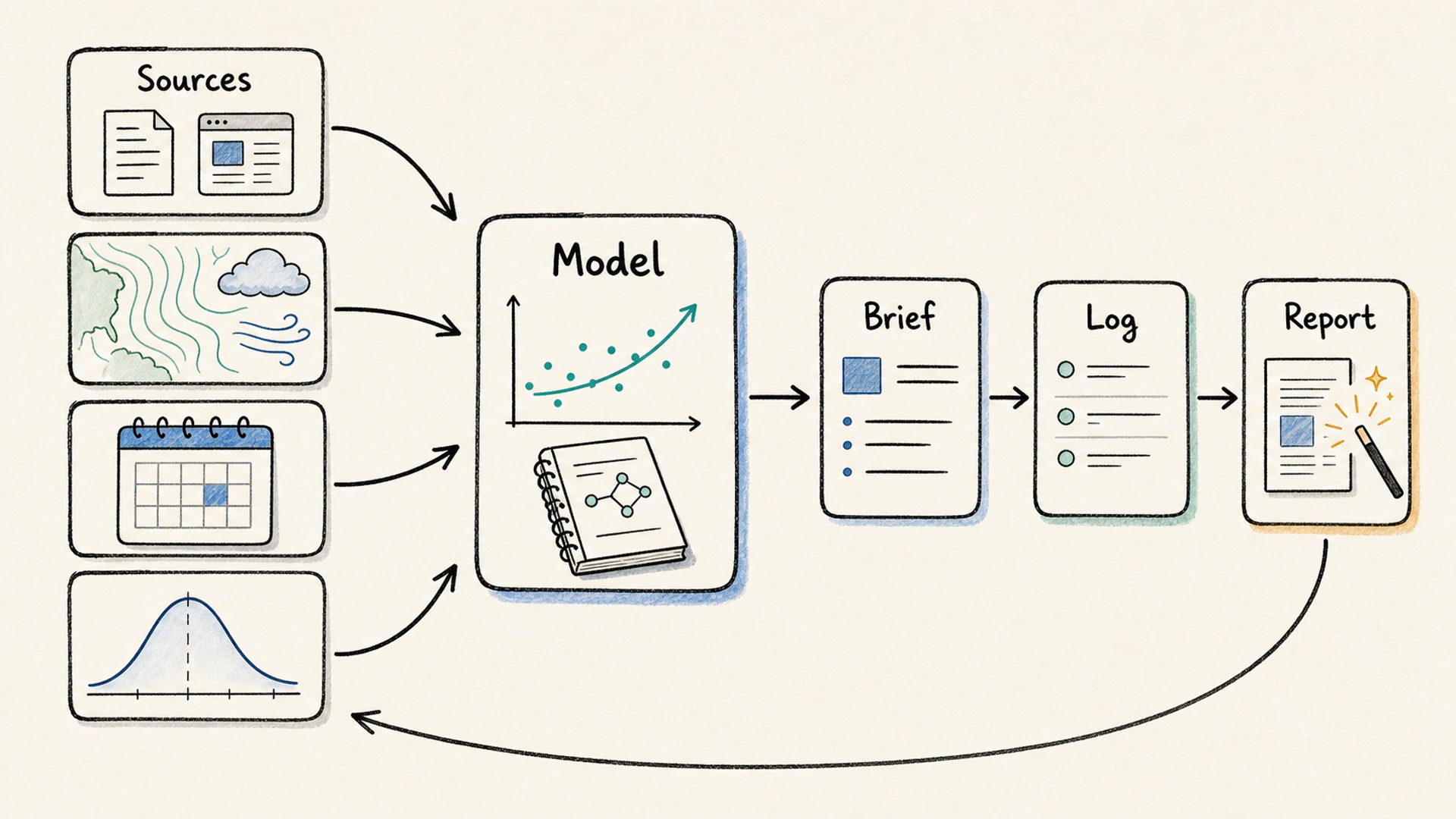 從公開來源和市場快照流向定時 MCPlato 簡報、決策日誌和 Wand 產物的手繪工作流程。
圖:預測市場研究循環不是一個提示詞。它是來源監控、模型複核、人工決策捕捉和可複用產物。
Codex vs MCPlato:用於預測市場研究
| 工作流程需求 | Codex 更適合的位置 | MCPlato 更適合的位置 | 如何組合使用 |
|---|---|---|---|
| 市場、天氣或宏觀連接器 | 建構 API 客戶端、標準化資料、編寫測試、記錄設定、審查 PR。 | 按計畫執行連接器,並把輸出與本地筆記結合。 | Codex 建構連接器;MCPlato 執行每日簡報。 |
| 本地模型和 notebook | 重構模型程式碼、加入冒煙測試、提升可重現性、產生圖表。 | 執行週期性模型複核、捕捉時間戳,並在本地保存筆記。 | Codex 維護模型;MCPlato 將輸出與市場隱含機率比較。 |
| 提醒 | 實作閾值、輪詢、WebSocket 客戶端和可靠性檢查。 | 透過 IM 投遞帶上下文的提醒,並詢問人工下一步想做什麼。 | Codex 建構監控器;MCPlato 將提醒轉化為複核選項。 |
| 決策記錄 | 建立範本、評分腳本或分析工具。 | 追加帶來源連結的決策日誌,並保留本地研究軌跡。 | Codex 改進日誌工具;MCPlato 維持記錄習慣。 |
| 報告和產物 | 產生輔助腳本、圖表和資料匯出。 | 將重複工作轉成帶審閱關卡和匯出的分階段 Wands。 | Codex 改進元件;MCPlato 營運產物生命週期。 |
| 權限和審閱 | 圍繞開發工作使用沙盒和批准策略。 | 在敏感工作區變更前詢問,並透過渠道讓使用者保持在環。 | 兩者都需要人工審閱;都不應被包裝成自動交易器。 |
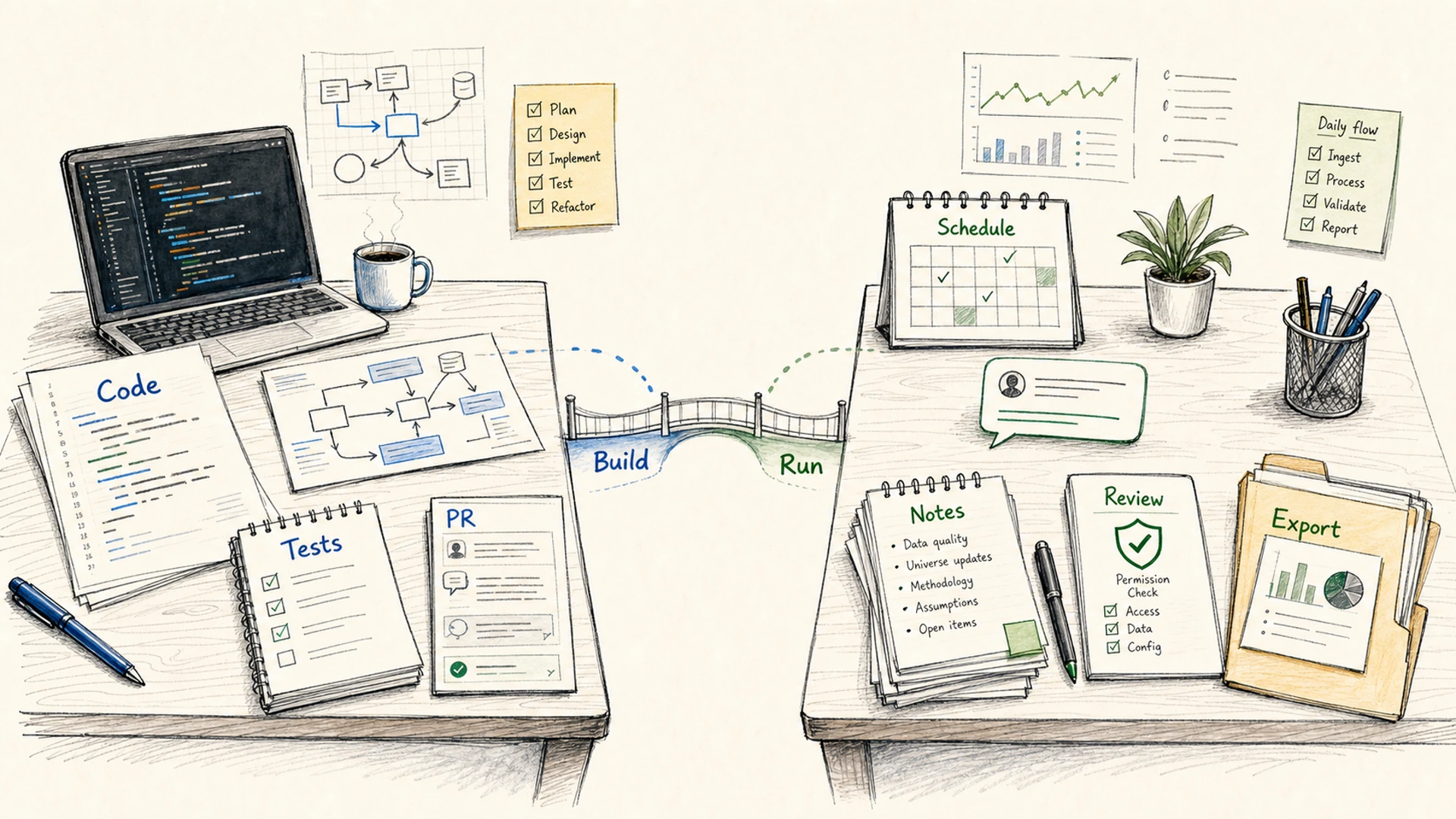 平衡的雙工作台對比:Codex 側重連接器程式碼、測試和 PR 審查;MCPlato 側重日程、本地筆記、IM 投遞、權限和 Wands。
圖:最強的工作流程不是對抗式的。Codex 建構並維護工程層;MCPlato 營運週期性研究層。
場景 1:每日天氣到市場簡報
天氣敏感型市場是很好的例子,因為來源週期來自外部。預報、有效警報、觀測和網格資料可能在使用者開啟儀表板之前就發生變化。研究任務不是做出金融決策,而是詢問:與昨天相比發生了什麼變化,哪些被關注的市場可能受到影響,以及哪些假設應該被複核?
Codex 可以建構 National Weather Service 連接器、解析回應並測試邊界情況。MCPlato 可以執行晨間檢查,把更新與昨天保存的簡報比較,發送簡潔的 ClawMode 訊息,並將筆記存入本地工作區。
Every weekday at 7:00 AM, prepare a weather-to-market research brief for the markets in ./watchlists/weather-markets.csv.

Use public weather sources first, including NWS forecasts and active alerts when available. Compare the latest source changes with yesterday's brief in ./research/weather-briefs/.

Output:
1. Markets to watch today
2. What changed since yesterday
3. Source links and timestamps
4. Assumptions that became stronger or weaker
5. Questions I should review manually

Send the summary to my Feishu channel and save a markdown copy locally.
Do not provide investment advice, recommend trades, or execute/place/cancel orders.
場景 2:本地模型執行與複核
許多具有量化思維的使用者已經有 notebook 或腳本。薄弱點並不總是模型本身,而是圍繞模型的營運紀律。它什麼時候執行?使用了哪個輸入檔案?比較的是哪個市場價格?市場隱含機率不同,是因為模型陳舊、市場變動,還是某個假設改變?
Codex 非常適合改進模型倉庫。MCPlato 非常適合執行週期性複核,並產生附來源連結的筆記。
Run the model notebook in ./models/event-probability/ and compare the output with the latest market-implied probabilities for the markets listed in ./watchlists/core-events.csv.

Create a review note with:
- model probability
- market-implied probability
- difference
- input data timestamp
- model version or git commit
- likely reason for any large gap
- whether the gap is caused by stale data, model assumptions, or market movement

Save the note to ./research/model-reviews/ and ask me before changing any workflow files.
Do not provide investment advice, recommend trades, or execute/place/cancel orders.
場景 3:從提醒到決策日誌
一個只說「機率變動了」的提醒通常不夠。有用的提醒會解釋發生了什麼變化、哪個來源或市場快照變了、哪些假設受到影響,以及人工接下來可以做什麼。選項應該是研究動作:記錄決策、安排複查,或忽略提醒。
這正是 MCPlato 的個人工作區營運層發揮作用的地方。ClawMode 可以把提醒投遞到使用者已經工作的地方,而本地工作區則保留決策日誌和來源上下文。
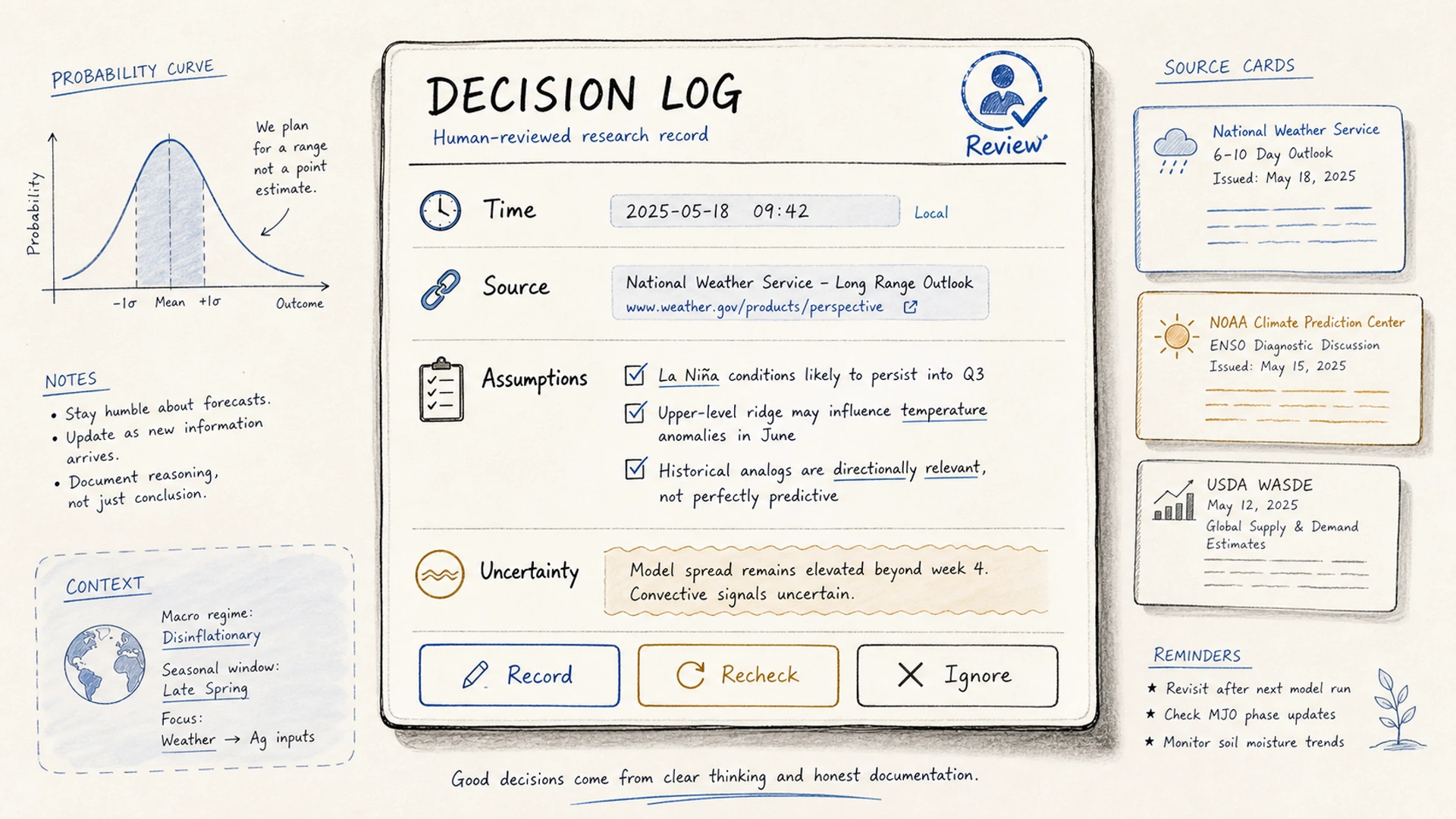 帶有時間戳、來源連結、受影響假設、不確定性說明和人工複核選項的手繪決策日誌卡片。
圖:當市場提醒包含上下文、不確定性和經人工審閱的決策軌跡時,它才變得有用。
Monitor the markets in ./watchlists/alerts.csv during my working hours. If a market-implied probability moves by more than 8 percentage points, or if an official source updates, send me an alert.

For each alert, include:
1. What changed
2. Which source changed
3. The affected assumptions
4. A short uncertainty note
5. Three options: Record decision, Schedule recheck, Ignore

If I choose Record decision, append my note and the source snapshot to ./research/decision-log.md.
Do not provide investment advice, recommend trades, or execute/place/cancel orders.
場景 4:從研究到 Wand 產物
重複的研究流程最終會變得過於重要,不能繼續散落在聊天、CSV、儀表板和 notebook 輸出中。它需要階段、審閱關卡和匯出。這就是 Wand 的用例:把週期性工作流程變成可見產物,可以被檢查、引導、批准、恢復和匯出。
Codex 可以保持腳本健康。MCPlato 可以協調產物生命週期。
Create a Wand for my weekly prediction-market research review.

The Wand should have stages:
1. Align markets and scope
2. Collect market data and external sources
3. Run my local model
4. Generate charts and a written brief
5. Check every factual claim has a source
6. Export a PDF and update the decision log

Start by asking me for the watchlist file and the output folder. Keep the artifact reviewable at every stage.
Do not provide investment advice, recommend trades, or execute/place/cancel orders.
場景 5:宏觀發布監控器
宏觀市場依賴預定發布、修訂和官方更新。有用的監控器不需要編造預測。它需要知道哪個發布發生了變化、應該與哪個先前快照比較,以及哪些被關注的事件可能值得人工複核。
FRED 風格的發布和序列資料讓這一點變得具體。Codex 可以建構攝取和驗證程式碼。MCPlato 可以執行定時監控器、更新本地產物並通知使用者。
Set up a recurring macro-event monitor for the FRED releases and market watchlist in ./watchlists/macro-events.csv.

On each run:
- check upcoming and newly updated economic releases
- identify which watched markets may be affected
- compare the new data with the previous saved snapshot
- update ./research/macro-dashboard.wand if needed
- send a concise briefing to Slack

Ask me before changing the watchlist, model assumptions, or Wand structure.
Do not provide investment advice, recommend trades, or execute/place/cancel orders.
場景 6:每週複盤
研究工作流程中最有價值的部分可能發生在事件之後。複盤可以追問:哪些提醒有用,哪些只是噪音,哪些假設發生了變化,本地模型在哪些地方偏離了市場隱含機率,以及下週應該改進什麼?
這並不承諾更好的收益或更高的準確率。它建立的是一種可複核的研究習慣。Brier 風格的機率複核和決策日記之所以有用,是因為它們把注意力放在校準、假設和事後偏差上,而不是簡單的「對或錯」故事。
Every Friday afternoon, create a postmortem from this week's market briefs, alerts, model reviews, and decision log.

Summarize:
1. Which assumptions changed
2. Which alerts were useful or noisy
3. Where my model disagreed with market-implied probabilities
4. What I learned after outcomes or new sources arrived
5. What to change in next week's watchlist, model, prompt, or Wand

Save the report locally and ask me before making any workflow changes.
Do not provide investment advice, recommend trades, or execute/place/cancel orders.
讓兩種工具都更強的交接方式
實用工作流程很簡單:
- 使用 Codex 建構或修復連接器、notebook、解析器、儀表板或測試套件。
- 將可靠工具放入本地專案資料夾,並配備清晰的 README 和冒煙測試。
- 讓 MCPlato 按計畫執行工作流程,將其與本地筆記結合,發送簡報,並保留研究軌跡。
- 當工作流程出故障時,讓 MCPlato 總結失敗,並為 Codex 準備精確的問題。
- 讓人類始終作為決策者。
I used Codex to build the connector in ./tools/market-monitor. Review the README, run the smallest smoke test, and then schedule it as a daily MCPlato briefing.

If tests fail, summarize the failure and prepare a clear issue for Codex to fix. If tests pass, create a scheduled task that runs the connector, updates ./research/latest-brief.md, and sends the result to my IM channel.

Ask me before editing the connector, changing credentials, or modifying the scheduled task.
Do not provide investment advice, recommend trades, or execute/place/cancel orders.
這就是 Codex vs MCPlato 比較的要點。當輸出應該是程式碼、diff、測試、PR 或被維護的倉庫時,Codex 很出色。當輸出應該是週期性、經人工審閱的工作區例程時,MCPlato 很有吸引力:晨間簡報、帶上下文的提醒、模型複核筆記、決策日誌、Wand 或每週複盤。
對於預測市場風格的工作,這種區分很重要。市場價格不是確定性。AI 助手不是財務顧問。目標不是把判斷自動化掉。目標是讓研究過程更可重複、有來源連結、可複核——這樣人類就能做出文件更充分的決策,而不假裝系統知道未來。
參考資料
- Polymarket US API 參考 — 簡介
- Polymarket US API 參考 — WebSocket 概覽
- 什麼是 Polymarket US?
- 預測市場入門
- National Weather Service API Web Service
- FRED API 文件
- OpenAI Codex 開發者文件
- Codex CLI 功能
- Codex Cloud
- 使用 Codex 審查 GitHub Pull Requests
- Codex App 自動化
- Codex 使用場景
- Codex Agent 批准與安全
- MCPlato — The Desktop AI Engine
- MCPlato ClawMode
- MCPlato Wand
- MCPlato 隱私政策
- MCPlato 服務條款
- Polymarket Alerts 功能
- Polymarket 歷史賠率
- Polymarket 分析工具
- Brier 分數簡述
- 決策日記