聊天之后的 AI Workspace:Artifacts、多窗口上下文与 Virtual Partners
一份技术报告,分析为什么 AI Workspace 正在从聊天走向持久 Artifacts、运行时纪律、并行工作界面,以及面向开发者和架构师工作流的 Virtual Partners。
AI chat 让前沿模型变得可用,但它并没有让 AI 工作天然可靠。
对开发者和架构师来说,限制很快就会出现。一个聊天线程可以解释设计、起草迁移计划或总结日志。但真正的工作不会停留在 transcript 里。它会变成图表、规格说明、补丁、研究笔记、测试结果、pull-request 评论、事故时间线、决策记录和后续任务。工作也会分叉:一个窗口调查生产行为,另一个比较供应商约束,另一个写设计备忘录,还有一个准备实施步骤。
因此,下一个 AI workspace 不只是更大的聊天框,而是一个管理 work objects、execution state、parallel surfaces 和 delegated continuity 的系统。
本文用四个设计问题描述这一转变:
- 工作对象是什么? 系统是在生成答案,还是生成可检查、可修订、可交付的持久 artifact?
- 运行时真相在哪里? Workspace 是否区分说过什么、执行过什么以及改变了什么?
- 可以并行运行多少个界面? 用户能否同时保留多个窗口、session、pane 和 context,而不是把一切压进同一条线程?
- 谁负责连续性? 是否存在 workspace 级的 virtual partner,用来拆解、委派、跟踪并综合跨 session 的工作?
这些问题现在比产品是否有聊天界面更重要。Chat 是入口,workspace 才是控制平面。
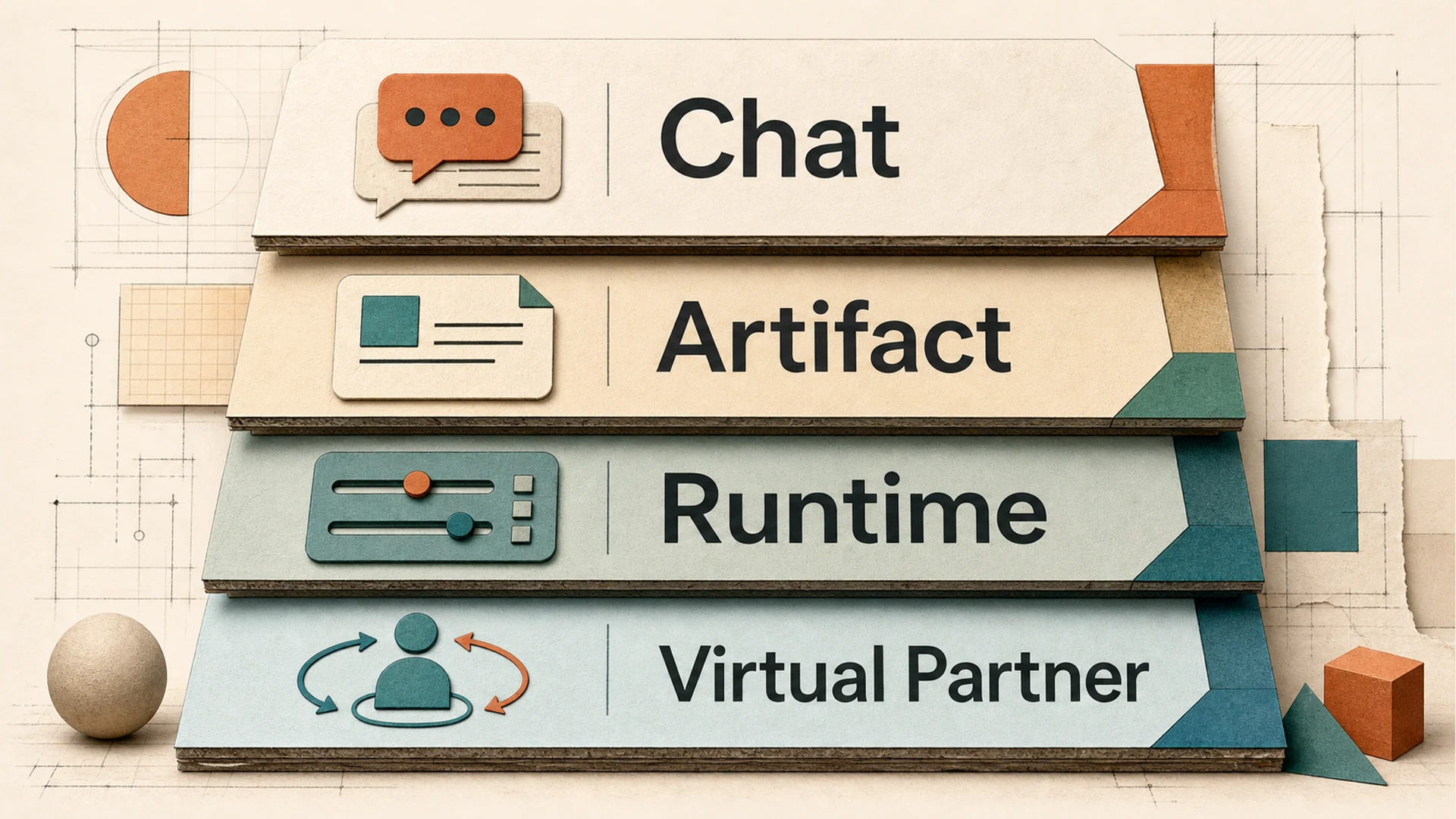 Four layers of AI work: Chat, Artifact, Runtime, and Virtual Partner
1. 为什么聊天框不够
聊天框很适合轮流对话,却不擅长保留工作边界。单一 transcript 会混合用户意图、模型推理、工具结果、草稿、需要持久化的决策、临时失败,以及可能需要审计或重放的行动历史。
短问答可以容忍这种混合;一旦 AI 被要求执行多步骤流程、协调文件、使用工具或在 session 之间交接工作,它就会变得脆弱。开发者熟悉这个道理:日志、源码、构建、测试、部署状态和 issue 评论彼此相关,但不应该被存成一条没有区分的字符串。
同样的原则适用于 AI workspaces。当 AI 进入严肃工作流,workspace 必须区分 conversation 与 output、output 与 runtime state、runtime state 与长期 decision memory。
2. 面向后聊天时代 AI workspaces 的四个设计问题
Question 1: 什么算工作对象?
Response 是短暂的;artifact 是持久的。在 chat-first 系统里,价值单元默认是答案;在 workspace-first 系统里,价值单元通常是 work object:文档、代码补丁、研究表、图、测试计划、决策日志、spreadsheet、presentation 或 task board。这个对象应该有状态,能在生成它的那一轮之后继续存在,也能在不重放整个对话的情况下被审阅。
这就是 artifact 和 canvas 模式重要起来的原因。Claude 将 Artifacts 描述为独立且有实质内容的产物,通常超过 15 lines,其支持文档列出每个 artifact 可持久存储 20 MB。ChatGPT Canvas 也以不同方式处理较长内容;OpenAI 表示,当生成内容超过 10 lines 时,Canvas 可能自动打开。这些是小产品细节,却指向更大的方向:重要的 AI 输出需要自己的表面。
更深层的架构问题不是产品是否打开侧边栏,而是 artifact 是否有生命周期:draft、inspect、revise、validate、complete,必要时还可以 hand off。
Question 2: 运行时真相在哪里?
Transcript 是对话记录,但不总是执行真相的最佳来源。当 agent 编辑文件、调用外部工具、打开浏览器、读取文档或运行测试时,workspace 需要知道的不只是模型说了什么,还要知道尝试了什么、完成了什么、失败了什么、改变了什么,以及结果由什么证据支撑。Execution controller 和 transcript 应该相关,但不应相同。
这种分离有三点价值。第一,它提高可靠性:用户可以追问系统是真的运行了检查,还是只是声称运行了。第二,它提高恢复能力:长任务经常中途失败,理解 execution state 的 workspace 比只有部分叙述的 chat thread 更容易安全恢复或改道。第三,它改善治理:团队环境中的 audit trail 应区分 instruction、action、result 和 decision,尤其是在 agents 横跨 repositories、documents、SaaS systems 和 local materials 工作时。
原则很简单:transcript 应该解释工作,但不应是工作存在的唯一位置。
Question 3: 用户能承载多少并行界面?
AI 工作正在变成 multi-window。旧模式是一个用户、一个 assistant、一个 thread;新模式是拥有多层结构的 workspace:
- Workspace:围绕材料、sessions 和偏好的持久边界。
- Session:面向任务的 conversation 或 workstream。
- Tab:并行注意力的可见单元。
- Pane:artifact、browser、terminal、document 或 comparison view 的局部表面。
- Window:承载不同阶段或项目的操作系统级容器。
这个层级不是装饰,而是现实工作方式。开发者可能让一个 session 关注架构取舍,另一个关注实现,另一个关注测试,另一个关注 release notes。架构师可能在一个 pane 比较 cloud-agent 行为,同时在另一个 pane 起草内部标准。好的 multi-window AI workspace 不只是更多屏幕空间,而是 context partitioning system。
Question 4: 谁保持连续性?
Artifacts 和 windows 之后的下一步,是 workspace 级的 partner。它不应被理解为头像或装饰性助手;有用的版本更像 orchestrator:理解 workspace goal,拆解工作,委派子任务,跟踪进度,发现缺失证据,并总结决策。用户仍然拥有判断,partner 维护 operational memory。
这让 virtual partner 或 sprite-like workspace presence 具有技术意义。它可以帮助回答:哪些 sessions 是 active、blocked 或 complete?哪个 artifact 是当前候选交付物?哪些 assumptions 尚未验证?哪条工作分支应合并到最终输出?哪些 context 因属于不同任务或权限边界而应保持隔离?换言之,virtual partner 是 coordination layer。
3. Artifact discipline:从回复到交付物
Artifacts 常被当成 UI 功能介绍,但更重要的概念是纪律。Claude Artifacts 和 ChatGPT Canvas 都说明生成工作需要独立、可编辑的表面。Claude Projects 还加入了更广的项目上下文模型:Anthropic 描述 Projects 支持 200K context window,大约相当于一本 500-page book。ChatGPT Projects 则围绕 chats、files 和 instructions 建立 workspace-like 边界,文件和协作者限制取决于 plan。
对 MCPlato 来说,公开原则不是“我们又有一个文档面板”,而是 AI-native workspace 应让输出具备状态并可审阅。实用的 artifact discipline 包括:
- stateful deliverables,而不只是对话片段;
- phase awareness,让 draft、candidate 和 final output 不被等同处理;
- context and tool isolation,避免一个 workstream 继承无关假设或权限;
- completion checks,让“done”意味着证据已收集、约束已满足,而不是模型停止生成;
- decision trace,让用户理解 artifact 为什么变成这样。
这比“autonomous agent”听起来更不神奇,但也更有用。大多数专业用户不需要永远独立行动的 AI;他们需要留下可信、可检查、可修改对象的 AI。
4. Runtime 与 monolith 问题
许多 AI 产品最初都是 monolith:chat thread、tool runner、file picker、memory layer 和 UI 绑在一起。这有利于早期速度,但工作流增长后会受限。Workspace runtime 至少要协调四种 truth:
- Conversation truth:用户问了什么,assistant 回复了什么。
- Material truth:用了哪些 source files、documents、pages 和 data。
- Execution truth:执行了哪些 actions,返回了哪些 results。
- Decision truth:团队接受、拒绝、延后或交付了什么。
如果四者都被压进 transcript,workspace 难以检查;如果分离后没有连贯体验,系统又会碎片化。挑战是在分离关注点的同时让工作仍然清晰可读。
对开发者和架构师而言,这直接对应熟悉的设计模式:不要让 application logs 成为 database,不要让 CI job transcript 成为 release artifact,也不要让设计会议录音成为唯一的 architecture decision record。AI workspaces 需要同样的分离。
最好的 runtime 不是把一切藏在顺滑聊天动画后面的 runtime,而是当答案重要时能展示发生了什么的 runtime。
5. Multi-window context:从一条线程到多个工作表面
Agents 越强,单一 thread 就越不够。单线程模型迫使用户把天然并行的工作串行化:research 等 drafting,drafting 等 source checks,source checks 等 formatting,implementation 等 design confirmation,testing 等 implementation。这安全但缓慢,也让用户承担过多记忆负担。
Multi-window AI workspace 应支持并行而不失一致性。关键不只是同时运行多个 agents,而是给每条 workstream 清晰边界,并提供调和它们的方法。
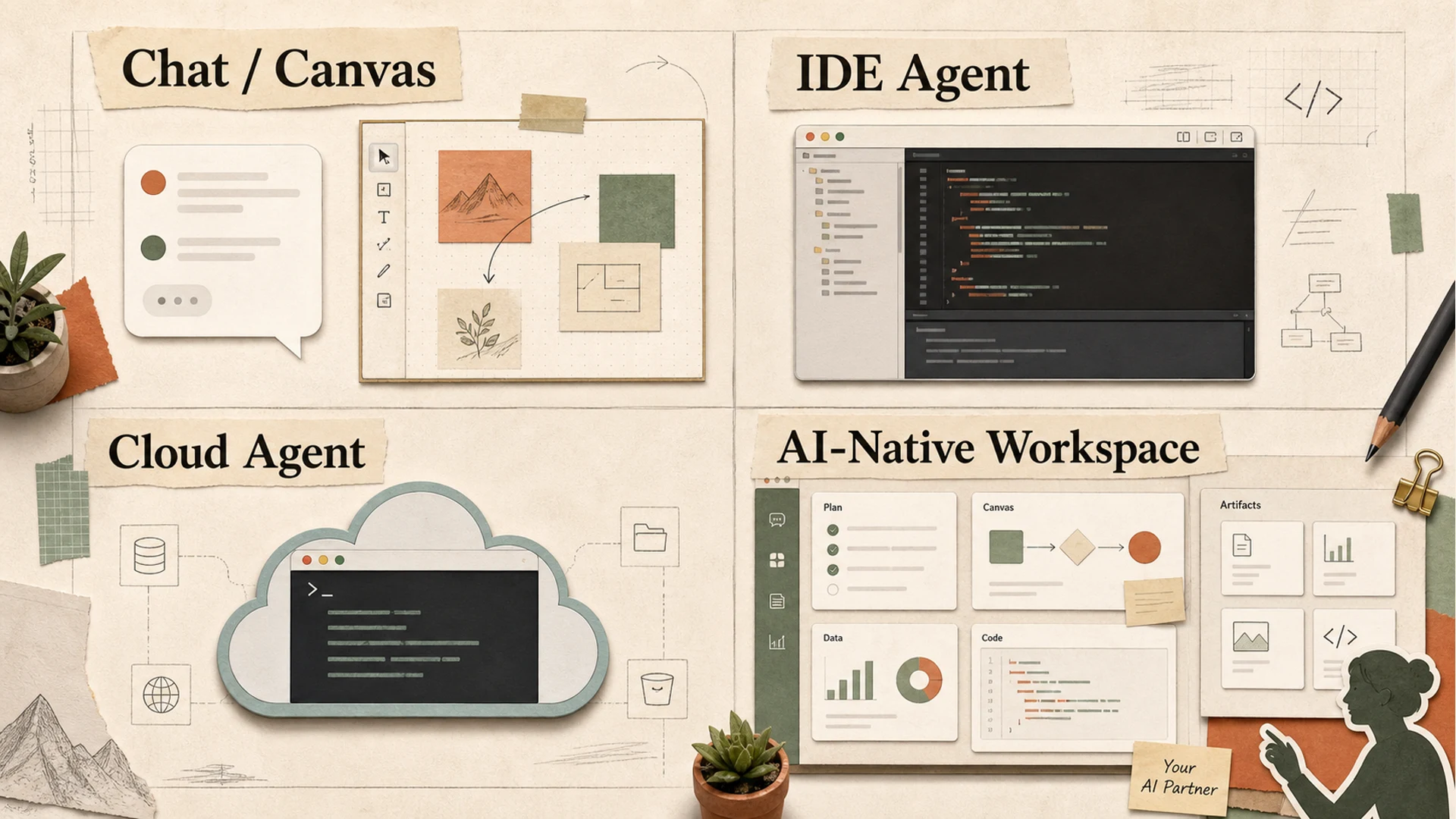 Workspace comparison map: Chat/Canvas, IDE Agent, Cloud Agent, and AI-Native Workspace
不同产品类别优化不同表面:
| Surface | Center of gravity | Strength | Limitation |
|---|---|---|---|
| Chat / canvas | conversation plus editable output | 快速构思和起草 | 多流协调较弱 |
| IDE agent | codebase and developer loop | 本地实现上下文强 | 软件工作流之外较窄 |
| Cloud autonomous agent | long-running remote execution | 适合委派任务 | 若不透明则难以检查和治理 |
| AI-native workspace | sessions, artifacts, tools, and orchestration | 更适合跨职能工作 | 产品复杂度和治理负担更高 |
因此,post-chat workspace 不太可能是一种万能 UI,而会是能承载多种工作模式的分层环境。
6. Virtual Partner / Sprite:编排,而不是表演
“virtual partner” 很容易变成噱头。悬浮在 workspace 上方的一张脸并不能解决 context management。有用版本是 operational 的:像 workspace 级 coordinator,可以把高层目标翻译成 sub-workstreams,分配给不同 sessions 或 agents,跟踪 blockers、open questions 和 finished outputs,判断 artifact 何时可供 review,总结竞争 drafts 或 branches 的差异,并跨天保存 decision history。
区别很重要。Chatbot 是 interlocutor;virtual partner 是 coordinator。对 MCPlato 来说,这是重要的公开设计方向之一:AI-native workspace 应帮助用户把多个 AI sessions 作为一个连贯 partner system 来运行。这不是移除人类,而是降低人类作为唯一 scheduler、memory keeper 和 merge manager 的负担。
诚实的边界是 orchestration 很难。它需要清晰权限、可见状态和良好失败处理。一个静默委派却不展示状态的 workspace partner 会比聊天框更糟;partner 必须让 coordination 可检查。
7. Competitor comparison:数字揭示了什么
市场已经走向结构化 workspaces,但不同厂商在证明不同要点。
Claude and ChatGPT:从聊天到项目上下文和可编辑表面
Claude Projects 展示了大共享上下文的力量。Anthropic 表示 Projects 使用 200K context window,约等于 500-page book。Claude Artifacts 则为独立的实质输出提供单独表面,文档描述 artifacts 通常超过 15 lines,并列出每个 artifact 20 MB 的持久存储。ChatGPT Canvas 对生成内容呈现类似模式;OpenAI 表示生成内容超过 10 lines 时 Canvas 可能自动打开。ChatGPT Projects 增加项目级组织,覆盖 chats、uploaded files、instructions 和 collaborators,限制取决于 plan 和 workspace settings。
这些产品验证了 artifact 和 project boundaries,但用户体验仍倾向围绕主 assistant conversation。
GitHub Copilot and Cursor:codebase 作为 workspace
Developer tools 展示了另一种重心:repository。Microsoft 报告称 GitHub Copilot 有 20 million users,被 90% of the Fortune 100 使用,且 FY2025 Q4 中 Copilot Enterprise 客户环比增长 75%。GitHub 的 Copilot Workspace 公告也以超过 100 million developers 的 GitHub 为背景,并引用 Copilot “up to 55%” 的生产力提升说法。
Cursor 的 Series D 公告显示投资者和开发者对这一层的重视:Cursor 称其以 $29.3 billion post-money valuation 融资 $2.3 billion,年化收入超过 $1 billion,服务数百万开发者,并拥有超过 300 employees。
这些数字说明 developer workspaces 不再是旁支功能,而正成为主要 AI operating environments。
Replit and Devin:cloud execution 作为 workspace
Cloud agents 把 workspace 边界从本地机器推向云端。Replit Agent 3 强调更长的 autonomous execution:Replit 表示它可工作最多 200 minutes,10x more autonomous,并让测试 3x faster、10x more cost-effective。另据 Replit 公告,其以 $9 billion 估值融资 $400 million,拥有超过 50 million users,服务 85% of the Fortune 500,并预计到 2026 年底达到 $1 billion run-rate revenue。
Devin 的公开定价也体现 agent work 的运营化:pricing page 列出 Pro 为 $20/month,Max 为 $200/month,Teams 为 $80/month,相关 plan 最多支持 10 concurrent sessions。
这些产品强调 delegation 和 execution。风险在 inspectability:用户需要看到的不只是最终结果,还有路径和 assumptions。
Manus and Notion:广度与 workspace memory
Manus Wide Research 突出了 parallel breadth。其文档描述 hundreds of independent agents、最多测试 250 items、数分钟处理 50–100 items,并声称传统 AI 在超过 8–10 items 后会退化。不论是否同意每个 benchmark framing,产品方向很明确:通过分叉大量独立单元来扩展工作。
Notion 从 knowledge 和 organizational memory 进入这个问题。其 custom agents 文档描述试用后价格为 $10 per 1,000 credits,并在 80% 和 100% 时发送 usage notifications。这更少关于 agent autonomy,更多关于把 AI 嵌入持久团队知识表面。
共同信号是:AI 正从答案生成走向 managed work systems。
8. MCPlato 的位置
MCPlato 更适合被归入 AI-native workspace,而不是纯 chat product、IDE 或 cloud-only autonomous agent。它的公开价值主张最适合那些需要在 connected materials 之间协调多个 AI sessions,并产出可审阅输出的工作流。实际包括 research-to-article pipelines、multi-source analysis、document production、task decomposition、cross-session review,以及需要 traceable decisions 的 developer/architect workflows。
关键论点不是 MCPlato 会替代所有专用工具。它不会。Cursor 和 GitHub Copilot 更靠近编码 inner loop;Claude 和 ChatGPT 是强大的通用模型界面;Replit 和 Devin 聚焦 cloud execution 和软件委派;Notion 深度嵌入团队知识库。
MCPlato 的机会在这些模式之间的 coordination layer:
- session-based work,让不同任务线程保持分离但彼此连接;
- local-first material handling,在合适场景下处理 connected directories 和 files,而不是把每个任务都变成 cloud upload pattern;
- artifact discipline,让输出成为 deliverables,而不是丢失的 chat snippets;
- multi-window context,让 parallel workstreams 保持可见;
- virtual partner orchestration,帮助拆解、委派、跟踪和总结;
- decision trace,让用户审阅改变了什么以及为什么。
边界同样重要。MCPlato 不应假装 orchestration 能取消 review。Multi-session AI work 在 context boundaries 不清时会放大错误。Local-first workflows 仍需要谨慎的 permission management。Artifact completion checks 会降低风险,但不能保证正确。Virtual partner 可以跟踪工作,但必须暴露 assumptions 和 status。
这是正确取舍。目标不是完全自主的魔法,而是让 AI work 变得 inspectable、interruptible 和 composable。
9. Conclusion:workspace 就是产品
聊天框仍然有用,它是提问、澄清和迭代最快的方式。但它已不足以作为严肃 AI 工作的主要容器。
Post-chat AI workspace 需要四层:
- Chat:表达意图和对话。
- Artifacts:持久 work objects。
- Runtime:execution state、evidence 和 recovery。
- Virtual partners:跨 session 的 coordination 和 continuity。
这个类别的赢家不只是拥有最聪明的 assistant,而是让 AI work 可读:正在做什么、来自哪里、运行了什么、失败了什么、接受了什么,以及还有什么未解决。
对开发者和架构师来说,这是熟悉的经验:系统在 state 明确、boundaries 清晰、outputs 可检查时才值得信任。AI workspaces 终于开始学习同一条规则。
References
- Anthropic, “Introducing Projects,” https://www.anthropic.com/news/projects
- Anthropic Support, “What are Artifacts and how do I use them?”, https://support.claude.com/en/articles/9487310-what-are-artifacts-and-how-do-i-use-them
- OpenAI Help Center, “What is the Canvas feature in ChatGPT and how do I use it?”, https://help.openai.com/en/articles/9930697-what-is-the-canvas-feature-in-chatgpt-and-how-do-i-use-it
- OpenAI Help Center, “Projects in ChatGPT,” https://help.openai.com/en/articles/10169521-projects-in-chatgpt
- Microsoft Investor Relations, “FY25 Q4 Earnings,” https://www.microsoft.com/en-us/investor/events/fy-2025/earnings-fy-2025-q4.aspx
- GitHub Blog, “GitHub Copilot Workspace,” https://github.blog/news-insights/product-news/github-copilot-workspace/
- Replit Blog, “Introducing Agent 3,” https://replit.com/blog/introducing-agent-3-our-most-autonomous-agent-yet
- Replit Blog, “Replit raises $400 million,” https://replit.com/blog/replit-raises-400-million-dollars
- Devin, “Pricing,” https://devin.ai/pricing/
- Manus Docs, “Wide Research,” https://manus.im/docs/features/wide-research
- Cursor Blog, “Series D,” https://cursor.com/blog/series-d
- Notion Help, “Everything you can do with Notion AI,” https://www.notion.com/help/guides/everything-you-can-do-with-notion-ai